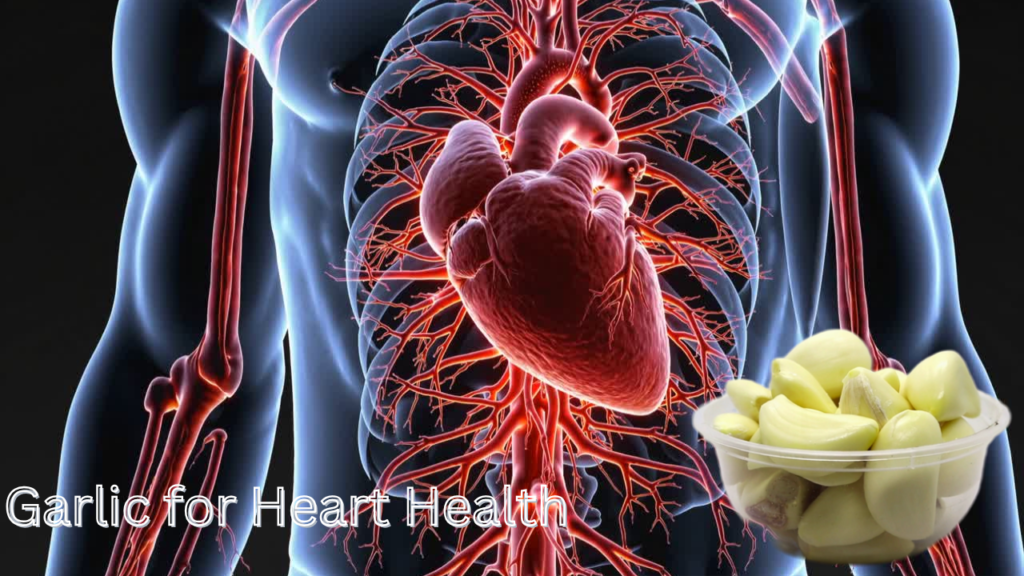
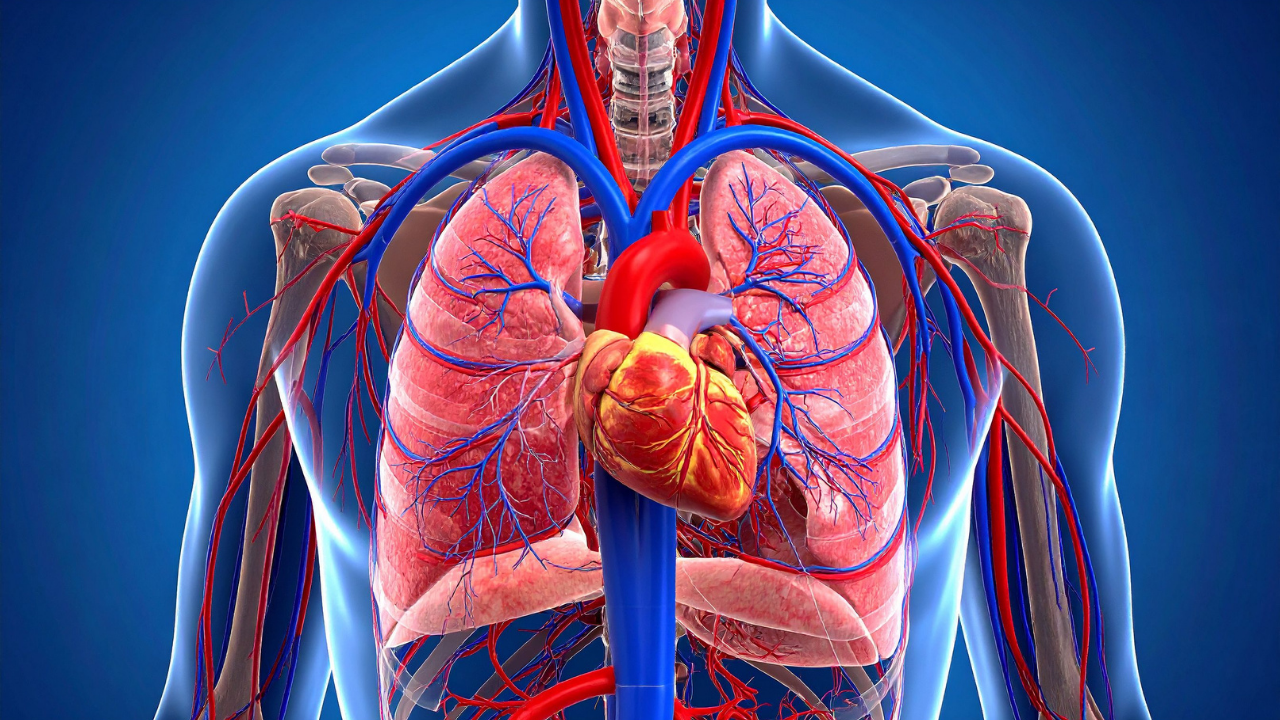
Heart disease is not caused by one thing.
Your risk is influenced by a combination of factors, including blood pressure, cholesterol, diabetes, tobacco exposure, diet, physical activity, body weight, age, family history, and other health conditions. Some of these factors can be changed, while others cannot.
The good news is that many important cardiovascular risk factors are modifiable.
That means your everyday habits and appropriate medical care can make a meaningful difference in your cardiovascular risk. The CDC’s current prevention guidance specifically recommends healthy eating, regular physical activity, avoiding tobacco, maintaining a healthy weight, and managing conditions such as high blood pressure, high cholesterol, and diabetes.
This does not mean heart disease can always be prevented.
Genetics, age, family history, and other factors still matter. The goal is to identify the factors you can influence and address them consistently.
What Are the Main Risk Factors for Heart Disease?
Heart disease risk factors can broadly be divided into modifiable and nonmodifiable factors.
| Risk factor | Usually modifiable? | What you can do |
|---|---|---|
| High blood pressure | Yes | Monitor and manage it |
| High cholesterol | Yes/manageable | Check levels and follow treatment |
| Smoking | Yes | Don’t start or quit |
| Physical inactivity | Yes | Increase regular movement |
| Unhealthy diet | Yes | Improve overall dietary pattern |
| Diabetes | Manageable | Control blood glucose |
| Excess body weight | Often manageable | Work toward a healthy weight |
| Excess alcohol | Yes | Limit or avoid |
| Chronic stress | Partly | Develop healthier coping strategies |
| Age | No | Focus on modifiable risks |
| Family history | No | Discuss risk with your clinician |
| Genetic factors | No | Address modifiable risk factors |
The CDC and MedlinePlus both emphasize that understanding your personal risk and working on factors you can change are central to prevention.
1. Know Your Blood Pressure
High blood pressure is one of the most important modifiable risk factors for cardiovascular disease.
The challenge is that high blood pressure often has no obvious symptoms. You cannot reliably tell whether your blood pressure is elevated simply by how you feel.
Regular measurement can identify a problem that might otherwise go unnoticed.
Practical steps
- Have your blood pressure checked regularly.
- Ask your healthcare professional what range is appropriate for you.
- If you have hypertension, follow your treatment plan.
- Reduce excess sodium when recommended.
- Be physically active.
- Maintain a healthy weight when appropriate.
- Take prescribed medication as directed.
The CDC recommends regular blood-pressure measurement and notes that lifestyle changes and medication may both be needed to control hypertension.
Important: Do not stop prescribed blood-pressure medication because your readings improve without discussing it with your healthcare professional.
2. Know Your Cholesterol
Cholesterol is a waxy substance that the body needs, but abnormal blood lipid levels can contribute to cardiovascular risk.
In particular, elevated LDL cholesterol is an important risk factor for atherosclerotic cardiovascular disease.
MedlinePlus recommends having cholesterol and triglyceride levels monitored and notes that lifestyle changes and, when needed, medication can help lower cardiovascular risk.
What can help?
A heart-supportive lifestyle includes:
- Eating more vegetables and fruits.
- Choosing whole grains.
- Eating fiber-rich foods.
- Choosing unsaturated fats instead of saturated fats.
- Being physically active.
- Avoiding tobacco.
The current AHA dietary guidance also emphasizes an overall dietary pattern rather than relying on a single food or nutrient. AHA 2026 Dietary Guidance
3. Do Not Smoke
If you smoke, quitting is one of the most important steps you can take for cardiovascular health.
The CDC states that cigarette smoking greatly increases heart-disease risk and that quitting lowers that risk.
Smoking also affects blood vessels and contributes to cardiovascular disease through multiple mechanisms.
If you smoke
You do not have to quit through willpower alone.
Talk with a healthcare professional about evidence-based cessation support, which can include counseling, behavioral strategies, medications, or combinations of these approaches.
If you do not smoke, don’t start.
Avoiding secondhand smoke is also part of cardiovascular risk reduction.
4. Eat a Heart-Healthy Diet
Your diet influences several cardiovascular risk factors, including body weight, blood pressure, cholesterol, and blood sugar.
The current AHA dietary guidance emphasizes a pattern built around:
- Vegetables
- Fruits
- Whole grains
- Beans and legumes
- Nuts and seeds
- Healthy protein sources
- Unsaturated fats
It also recommends limiting foods high in saturated fat, added sugars, sodium, and highly processed foods. AHA 2026 Dietary Guidance
A simple approach
Instead of asking:
“What one food should I eat for my heart?”
ask:
“What does most of my diet look like?”
The overall pattern matters more than one occasional meal.
5. Eat More Fiber-Rich Foods
Fiber is found naturally in plant foods.
Good sources include:
- Oats
- Barley
- Beans
- Lentils
- Chickpeas
- Fruits
- Vegetables
- Nuts
- Seeds
- Whole grains
Dietary fiber can contribute to healthier cholesterol levels and overall cardiovascular health. The CDC specifically recommends foods high in fiber and low in saturated fat, trans fat, and cholesterol as part of heart-disease prevention.
Easy ways to increase fiber
Add:
Oatmeal + berries
or
Beans + vegetables + whole grains
or
Apple + unsalted nuts
Increase fiber gradually and drink adequate fluids to help your digestive system adjust.
6. Reduce Saturated Fat
Saturated fat is found in varying amounts in foods such as fatty meats, butter, some high-fat dairy products, and many commercially prepared foods.
The CDC notes that diets high in saturated and trans fats can contribute to heart disease.
The current AHA dietary guidance emphasizes replacing saturated fats with unsaturated fats, rather than simply eliminating all dietary fat. AHA 2026 Dietary Guidance
Practical substitutions
| Instead of | Try |
|---|---|
| Butter | Olive or another unsaturated vegetable oil |
| Fatty processed meat | Beans, fish, or leaner protein |
| High-saturated-fat snack | Fruit and nuts |
| Cream-heavy sauce | Vegetable-based or unsaturated-fat-based sauce |
7. Reduce Excess Sodium
Too much sodium can contribute to elevated blood pressure.
The CDC specifically recommends limiting salt in the diet as a way to help lower blood pressure.
The foods that contribute the most sodium are not necessarily the foods that taste the saltiest.
Sodium can be found in:
- Processed meats
- Packaged meals
- Canned soups
- Sauces
- Salty snacks
- Restaurant foods
- Some breads and prepared foods
Simple strategies
- Read nutrition labels.
- Choose lower-sodium products.
- Compare brands.
- Cook more meals at home.
- Use herbs and spices for flavor.
- Choose fresh or minimally processed foods more often.
The AHA also provides practical guidance for reducing sodium intake. American Heart Association — How to Reduce Sodium
8. Be Physically Active
Regular physical activity can help improve several cardiovascular risk factors.
According to the CDC, physical activity can help maintain a healthy weight and lower blood pressure, cholesterol, and blood sugar.
MedlinePlus likewise identifies regular physical activity as an important part of heart-disease prevention.
Activities can include:
- Brisk walking
- Cycling
- Swimming
- Dancing
- Hiking
- Jogging
- Strength training
- Recreational sports
If you are currently inactive, you do not need to become highly athletic overnight.
Start with activities that are realistic for your current fitness level and gradually build consistency.
9. Sit Less and Move More Throughout the Day
Exercise is important, but so is your overall movement pattern.
A person can exercise for part of the day and still spend much of the remaining time sitting.
Practical ways to increase movement include:
- Taking short walking breaks.
- Walking while talking on the phone.
- Using stairs when appropriate.
- Doing household activities.
- Parking farther away.
- Taking a short walk after meals.
These strategies can make physical activity part of daily life rather than something that only happens during a formal workout.
10. Maintain a Healthy Weight
Body weight is only one part of cardiovascular health, but excess body weight is associated with increased cardiovascular risk.
The CDC explains that overweight and obesity are associated with higher heart-disease risk and can place additional stress on the heart and blood vessels.
MedlinePlus notes that excess weight is also linked with other cardiovascular risk factors, including high cholesterol and triglycerides, high blood pressure, and diabetes.
A healthier approach
Avoid extreme diets whenever possible.
Instead:
- Improve food quality.
- Eat more fiber-rich foods.
- Increase physical activity.
- Reduce sugary drinks.
- Limit highly processed foods.
- Build sustainable portions.
- Get professional help when appropriate.
The goal is long-term health, not rapid weight loss at any cost.
11. Manage Blood Sugar and Diabetes
Diabetes is an important cardiovascular risk factor.
Persistently elevated blood glucose can damage blood vessels and contribute to cardiovascular complications. MedlinePlus notes that diabetes increases heart-disease risk and recommends appropriate testing and management.
If you have diabetes:
- Follow your treatment plan.
- Monitor glucose as recommended.
- Take prescribed medications.
- Maintain regular physical activity.
- Follow an appropriate eating pattern.
- Attend recommended medical appointments.
Do not stop diabetes medication because you have changed your diet or exercise routine without speaking with your healthcare professional.
12. Limit Alcohol
Alcohol is not necessary for heart health.
MedlinePlus notes that excessive alcohol consumption can raise blood pressure and contribute extra calories that may promote weight gain.
Current cardiovascular nutrition guidance has also moved away from recommending alcohol as a strategy for cardiovascular protection.
If you do not drink, there is no reason to start drinking for heart-health purposes.
If you drink, discuss your intake with your healthcare professional, especially if you have high blood pressure, liver disease, take medications, are pregnant, or have another condition affected by alcohol.
More nuanced than older “moderate drinking is good for the heart” messaging.
13. Get Enough Sleep
Sleep is another component of cardiovascular health.
MedlinePlus identifies inadequate sleep as a factor associated with higher risks of high blood pressure, obesity, and diabetes, which themselves increase cardiovascular risk. It also notes that sleep apnea can increase heart-disease risk.
Practical sleep habits
- Maintain a regular sleep schedule.
- Create a comfortable sleep environment.
- Reduce distractions before bed.
- Address persistent sleep problems.
- Talk to a healthcare professional if you suspect sleep apnea.
For adults, MedlinePlus recommends aiming for 7–9 hours of sleep per night.
14. Manage Chronic Stress
Stress is part of normal life.
The concern is persistent or severe stress and the behaviors that sometimes accompany it.
MedlinePlus notes that stress can affect cardiovascular health and may contribute to behaviors such as overeating, heavy drinking, and smoking.
Healthier ways to cope
Consider:
- Walking
- Exercise
- Meditation
- Prayer or spiritual practices
- Relaxation exercises
- Time with supportive people
- Music
- Counseling or therapy when appropriate
Avoid claims that one stress-relief technique “prevents heart attacks.”
The evidence for specific stress-management interventions varies.
15. Know Your Family History
Some cardiovascular risk factors cannot be changed.
Family history is one of them.
MedlinePlus notes that having a close family member who developed heart disease at an early age can increase your risk.
You cannot change your genes or family history.
But you can use that information to make prevention more intentional.
Tell your healthcare professional about significant family history, particularly premature heart disease in close relatives.
16. Do Not Ignore Your Medical Checkups
Lifestyle changes are important, but prevention also involves medical care.
The CDC recommends working with your healthcare team to identify and manage conditions that increase cardiovascular risk.
Depending on your age and risk factors, this may include monitoring:
- Blood pressure
- Cholesterol
- Blood glucose
- Weight
- Other cardiovascular risk factors
The CDC currently recommends cholesterol testing at least every 4–6 years for many adults, with more frequent testing for some people depending on their risk and medical history.
Your healthcare professional can determine what testing schedule is appropriate for you.
17. Take Prescribed Medications as Directed
Lifestyle changes and medications are not necessarily competing approaches.
Some people need medication to manage:
- High blood pressure
- High cholesterol
- Diabetes
- Other cardiovascular conditions
The CDC specifically advises people taking medications for high cholesterol, high blood pressure, or diabetes to follow their healthcare professional’s instructions and not stop medication without discussing it with their clinician.
A healthy diet and exercise routine can complement medical treatment.
They should not automatically replace it.
18. Be Careful With “Natural” Heart Remedies
Natural does not automatically mean proven or safe.
Products marketed as:
- “artery cleansers”
- “heart detoxes”
- “natural statins”
- “blood-thinning herbs”
- “heart cleansing teas”
may have limited evidence and can sometimes interact with medications.
The research literature supports lifestyle and medical risk-factor management much more strongly than claims about miracle supplements or detox products.
19. Do Not Start Aspirin on Your Own
Aspirin deserves special attention because it is sometimes promoted online as a simple way to prevent heart attacks.
It is not appropriate for everyone.
Whether aspirin is beneficial depends on a person’s cardiovascular risk, bleeding risk, age, medical history, and whether the person already has cardiovascular disease.
The CDC’s prevention material advises discussing aspirin with a healthcare professional rather than treating it as a universal prevention strategy.
Do not begin daily aspirin solely because you read that it is good for the heart.
20. Build a Sustainable Lifestyle
One of the most important lessons from lifestyle research is that prevention is not about making one dramatic change.
It is about developing behaviors that can be maintained.
A review of lifestyle interventions describes diet, physical activity, weight management, tobacco avoidance, and other lifestyle factors as interconnected components of cardiovascular prevention.
Instead of:
“I’m going to completely change my life Monday.”
Try:
“I’m going to improve one part of my routine this week.”
For example:
Week 1: Walk 15–20 minutes most days.
Week 2: Replace one sugary drink each day with water.
Week 3: Add vegetables to lunch and dinner.
Week 4: Check your blood pressure.
Small changes can become habits.
A Simple Heart-Disease Prevention Plan
You can use the following checklist as a starting point.
Nutrition
- Eat vegetables regularly.
- Eat whole fruits.
- Choose whole grains more often.
- Eat beans and legumes.
- Include nuts and seeds.
- Choose healthy protein sources.
- Replace saturated fats with unsaturated fats.
- Reduce excess sodium.
- Limit added sugars.
- Reduce highly processed foods.
These recommendations are consistent with current CDC and AHA prevention guidance. AHA 2026 Dietary Guidance
Physical activity
- Move regularly.
- Include aerobic activity.
- Include muscle-strengthening activity when appropriate.
- Reduce prolonged sitting.
Regular physical activity can help improve weight, blood pressure, cholesterol, and blood sugar.
Medical health
- Know your blood pressure.
- Know your cholesterol.
- Know your blood glucose status when appropriate.
- Manage diabetes if you have it.
- Take prescribed medications as directed.
- Discuss your family history with your healthcare professional.
Lifestyle
- Don’t smoke.
- Avoid secondhand smoke.
- Get adequate sleep.
- Manage chronic stress.
- Limit alcohol.
- Maintain a healthy weight when appropriate.
Heart-Disease Prevention by Age
Ages 18–29
This is a good time to establish long-term habits.
Focus on:
- Not smoking.
- Regular physical activity.
- Healthy eating.
- Healthy sleep.
- Knowing your family history.
- Establishing appropriate healthcare habits.
Risk factors can develop before cardiovascular disease becomes apparent, so prevention does not need to wait until middle age.
Ages 30–39
Continue building the foundation.
Pay attention to:
- Blood pressure
- Cholesterol
- Physical activity
- Diet quality
- Weight changes
- Tobacco exposure
- Family history
If you have diabetes, hypertension, or abnormal cholesterol, address those conditions with your healthcare team.
Ages 40–49
Risk-factor management becomes increasingly important.
Review your:
- Blood pressure
- Cholesterol
- Blood glucose
- Physical activity
- Diet
- Weight
- Smoking status
- Family history
Your healthcare professional can help determine whether additional cardiovascular risk assessment is appropriate.
Ages 50–59
Continue the fundamentals while being proactive about cardiovascular risk factors.
If you have high blood pressure, abnormal cholesterol, diabetes, or other conditions, make sure they are appropriately managed.
Ages 60–70
Healthy habits remain valuable.
Continue:
- Appropriate physical activity
- Nutritious eating
- Tobacco avoidance
- Adequate sleep
- Medical monitoring
- Medication adherence
- Social and mental well-being
Exercise should be adapted to your fitness level, medical conditions, and physical abilities.
What About People Who Already Have Heart Disease?
Prevention is not only for people who have never experienced cardiovascular disease.
If you have already had a heart attack, stroke, or another cardiovascular event, lifestyle changes and appropriate medical treatment can be part of preventing another event.
The CDC specifically notes that people who have already had a heart attack should follow an individualized treatment plan that may include medications, procedures, and lifestyle changes.
This is sometimes called secondary prevention.
It is different from preventing a person’s first cardiovascular event, known as primary prevention.
What You Cannot Change
It is important not to turn heart-health advice into a message that people are entirely responsible for their cardiovascular risk.
You cannot change:
- Your age
- Your genetic makeup
- Your family history
- Some biological factors
- Certain medical conditions
MedlinePlus specifically identifies age, sex-related factors, and family history among risk factors that cannot be changed.
But you can often influence:
- Smoking
- Physical activity
- Diet
- Blood pressure
- Cholesterol
- Blood sugar
- Weight
- Alcohol intake
- Sleep
- Medication adherence
That distinction is important.
Prevention is about reducing risk—not guaranteeing a particular outcome.
Frequently Asked Questions
Can heart disease be prevented?
Many important cardiovascular risk factors can be prevented or controlled.
Healthy eating, physical activity, avoiding tobacco, managing blood pressure and cholesterol, controlling diabetes, and maintaining a healthy weight can all contribute to lower cardiovascular risk.
However, no prevention strategy eliminates all risk.
What is the most important thing I can do to prevent heart disease?
There is no single action that works for everyone.
The strongest approach is to address multiple modifiable risk factors together:
Don’t smoke + eat well + move regularly + manage blood pressure + manage cholesterol + control blood sugar + sleep adequately + follow appropriate medical care.
Can exercise prevent heart disease?
Regular physical activity can reduce several cardiovascular risk factors and is an established part of heart-disease prevention.
The appropriate amount and intensity depend on your health and fitness.
Can changing my diet reduce my risk of heart disease?
Yes.
A healthier dietary pattern can help address several cardiovascular risk factors. Current AHA guidance emphasizes vegetables, fruits, whole grains, healthy protein sources, unsaturated fats, and minimally processed foods while limiting excess sodium, added sugars, saturated fat, and highly processed foods. American Heart Association — 2026 Dietary Guidance
Can losing weight reduce heart-disease risk?
For people with overweight or obesity, weight management can improve several cardiovascular risk factors.
The CDC notes that excess weight is associated with higher heart-disease risk and can contribute to other risk factors such as high blood pressure and diabetes.
Weight should be considered alongside other health measures rather than as the only indicator of cardiovascular health.
Does quitting smoking really make a difference?
Yes.
Smoking substantially increases cardiovascular risk, and quitting lowers that risk.
If quitting has been difficult, evidence-based support can improve your chances of success.
How often should I check my blood pressure?
The appropriate frequency depends on your health and risk factors.
The CDC says people without diagnosed hypertension or other risk factors should generally have blood pressure measured at least annually, while people with hypertension may need more frequent monitoring.
Follow your healthcare professional’s recommendation.
How often should cholesterol be checked?
The CDC currently states that many adults should have cholesterol tested at least every 4–6 years, while people with high cholesterol or certain risk factors may need testing more frequently.
Your personal schedule should be determined with your healthcare professional.
Is stress bad for the heart?
Chronic or severe stress can affect cardiovascular health and can influence behaviors such as smoking, overeating, alcohol use, and physical inactivity.
Stress management is therefore a reasonable part of a comprehensive heart-health plan.
However, avoid claiming that a particular stress-relief technique alone prevents heart attacks.
Is seven hours of sleep enough?
Sleep needs vary somewhat between individuals.
MedlinePlus recommends that adults generally aim for 7–9 hours per night and notes that insufficient sleep is associated with several cardiovascular risk factors.
Quality and regularity also matter.
Should everyone take aspirin to prevent a heart attack?
No.
Aspirin is not appropriate for everyone because its potential benefits must be weighed against bleeding risks and individual cardiovascular risk.
Do not start daily aspirin without discussing it with a healthcare professional.
Can supplements prevent heart disease?
There is no general supplement recommendation that replaces established cardiovascular prevention strategies.
Claims about individual supplements need to be evaluated separately based on the specific ingredient, dose, population, cardiovascular outcome, and safety evidence.
The Bottom Line
Reducing your risk of heart disease is not about finding one miracle food, supplement, or exercise.
It is about managing the big picture.
Start with these priorities:
1. Don’t smoke.
2. Eat a mostly nutritious, minimally processed dietary pattern.
3. Move regularly.
4. Know your blood pressure.
5. Know your cholesterol.
6. Manage blood sugar and diabetes when applicable.
7. Maintain a healthy weight when appropriate.
8. Get adequate sleep.
9. Manage chronic stress.
10. Follow your healthcare professional’s recommendations and take prescribed medications as directed.
The CDC’s current prevention guidance supports this comprehensive approach: healthy lifestyle choices can help maintain healthier blood pressure, cholesterol, and blood sugar levels, while management of existing medical conditions can further reduce cardiovascular risk.
The most important point for SUNDRG Health readers is simple:
You do not have to make every change today. Start with the risk factor you can realistically improve, then build from there.
Direct Sources for SUNDRG Health Readers
- CDC — Preventing Heart Disease
- MedlinePlus — How to Prevent Heart Disease
- Lifestyle Modifications and Cardiovascular Disease — PMC
- Harvard T.H. Chan School of Public Health — Preventing Cardiovascular Disease
- Lifestyle and Cardiovascular Disease Research — PMC
- AHA — 2026 Dietary Guidance for Cardiovascular Health
- PubMed — Reduce Your Risk of Heart Disease
- PubMed — 7 Strategies to Protect Your Heart
Medical disclaimer: This article is for educational purposes and is not a substitute for medical advice, diagnosis, or treatment. Individual cardiovascular risk varies. People with chest pain, severe shortness of breath, fainting, or other potentially serious symptoms should seek urgent medical attention. People with hypertension, high cholesterol, diabetes, cardiovascular disease, kidney disease, or prescribed medications should discuss lifestyle changes and treatment decisions with a qualified healthcare professional.