When people search for “heart-healthy foods,” they often expect a list of miracle foods.
The evidence tells a more useful story.
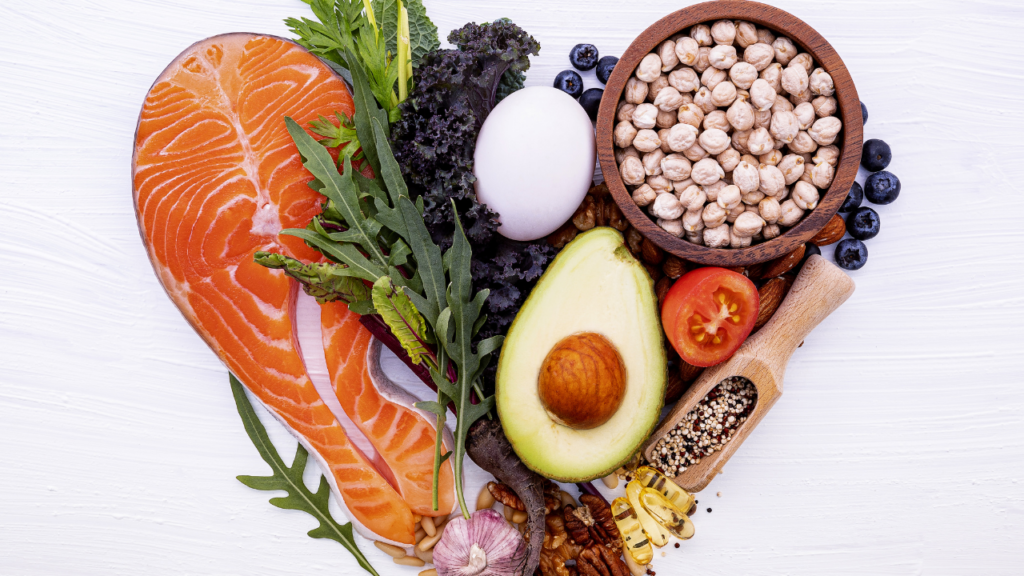
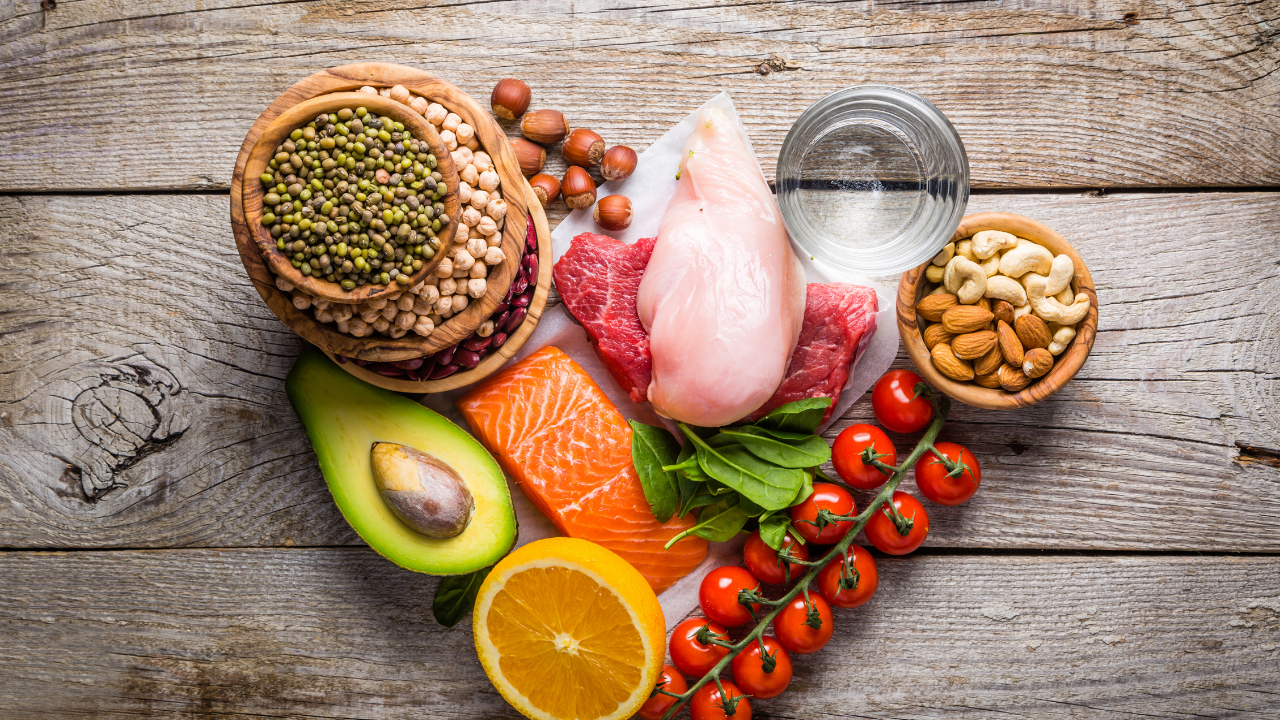
Heart health is influenced by the overall quality of your diet, not by one food eaten in isolation. The American Heart Association’s 2026 dietary guidance emphasizes a pattern built around vegetables and fruits, whole grains, healthy protein sources, unsaturated fats, and minimally processed foods, while limiting added sugars, sodium, saturated fat, and highly processed foods.
A major review of cardiovascular disease prevention similarly found that heart-supportive dietary patterns emphasize fruits, vegetables, whole grains, nuts, legumes, fish and other nutritious foods while limiting processed meats, sugar-sweetened beverages, refined grains, and excess sodium.
So this list is not a ranking from “best” to “worst.”
Instead, these are 30 foods that can help you build a nutritious dietary pattern.
Important evidence note: For many individual foods, evidence comes from observational studies, dietary-pattern research, or smaller intervention studies. It is more accurate to say these foods fit within heart-healthy dietary patterns than to claim that any individual food prevents heart disease by itself.
The 30 Heart-Healthy Foods
1. Oatmeal
Oatmeal is a whole-grain food and a practical source of dietary fiber.
Whole-grain consumption is consistently associated with better cardiovascular outcomes in observational research, and whole grains are specifically recommended in current AHA dietary guidance.
Try it with:
- Berries
- Banana
- Walnuts
- Chia seeds
- Ground flaxseed
- Plain yogurt
Choose plain or minimally sweetened oatmeal when possible.
Evidence level: Established as part of a heart-healthy dietary pattern.
2. Barley
Barley is another whole grain that provides dietary fiber.
Whole grains are associated with lower cardiovascular risk in prospective research, and replacing refined grains with whole grains is a core component of heart-healthy dietary guidance.
Use barley in:
- Soups
- Grain bowls
- Salads
- Vegetable stews
Evidence level: Established dietary-pattern evidence.
3. Brown Rice
Brown rice is a whole-grain alternative to refined white rice.
Whole-grain foods retain more of the grain’s structure and nutrients than refined grains. A major cardiovascular review identifies whole grains as an important component of diets associated with lower cardiovascular risk.
Simple swap
Try replacing some refined-grain servings with:
Brown rice + vegetables + beans
rather than simply adding more food to your existing diet.
Evidence level: Established for whole grains; evidence is stronger for the food group than for brown rice specifically.
4. Quinoa
Quinoa can be used as a whole-grain-like staple in meals and provides carbohydrate, protein, fiber, and other nutrients.
The evidence supporting quinoa specifically for cardiovascular disease is less extensive than the evidence supporting whole grains as a category.
Therefore, quinoa should be viewed as one nutritious option within a broader dietary pattern, not as a special heart medicine.
Evidence level: Supportive as part of a healthy dietary pattern; direct cardiovascular evidence for quinoa itself is more limited.
5. Black Beans
Black beans are legumes that provide plant protein and dietary fiber.
Legumes are consistently included in heart-healthy dietary patterns, and major cardiovascular reviews associate higher-quality diets containing legumes with better cardiovascular outcomes.
Use them in:
- Chili
- Soups
- Salads
- Tacos
- Grain bowls
Evidence level: Established dietary-pattern evidence.
6. Lentils
Lentils are another useful source of plant protein and fiber.
They can replace some foods higher in saturated fat while adding fiber to the meal.
Heart-health reviews specifically identify legumes as foods to emphasize in cardiovascular-prevention diets.
Easy idea
Combine lentils with:
Vegetables + barley + herbs + olive oil
for a simple plant-forward meal.
Evidence level: Established dietary-pattern evidence.
7. Chickpeas
Chickpeas provide plant protein, fiber, and several micronutrients.
They can be used instead of or alongside animal protein depending on the meal.
Legumes are a consistent feature of Mediterranean-style, DASH, and other healthy dietary patterns.
Try chickpeas in:
- Hummus
- Salads
- Curries
- Soups
- Grain bowls
Evidence level: Established for legumes as a food group.
8. Spinach
Spinach is a leafy green vegetable that provides fiber, folate, potassium, and other nutrients.
Research on fruits and vegetables overall supports their place in cardiovascular health, although researchers caution that much of the evidence linking specific fruits or vegetables with cardiovascular outcomes comes from observational studies.
Add spinach to:
- Omelets
- Soups
- Smoothies
- Salads
- Bean dishes
Evidence level: Strong dietary-pattern evidence for vegetables; direct evidence for spinach specifically is less certain.
9. Kale
Kale is another leafy green vegetable.
Green leafy vegetables have been among the vegetable subgroups associated with lower cardiovascular outcomes in prospective cohort research, although these findings do not prove that eating kale itself prevents cardiovascular disease.
Try kale:
- Raw in salads
- Sautéed with garlic
- Added to soups
- Mixed into grain bowls
Evidence level: Supportive observational evidence within the broader vegetable category.
10. Broccoli
Broccoli is a cruciferous vegetable that provides fiber and micronutrients.
A large systematic review and meta-analysis found associations between vegetable intake and lower cardiovascular outcomes, with cruciferous vegetables among the subgroups showing potentially favorable associations.
Steam, roast, or stir-fry broccoli rather than relying on heavily salted sauces.
Evidence level: Supportive observational evidence; not evidence that broccoli alone prevents heart disease.
11. Carrots
Carrots are a practical source of vegetables and can be eaten raw, roasted, steamed, or added to soups.
Prospective cohort evidence has identified carrots among vegetable subgroups associated with cardiovascular benefit. However, the certainty varied across food categories, so these findings should not be interpreted as proof that carrots independently prevent cardiovascular disease.
Evidence level: Supportive observational evidence.
12. Tomatoes
Tomatoes provide vegetables, fiber, and carotenoids such as lycopene.
Tomatoes can easily become part of a heart-conscious eating pattern through salads, soups, vegetable dishes, and sauces.
The evidence is stronger for overall vegetable intake than for any single tomato component.
Evidence level: Supportive as part of vegetable-rich dietary patterns; individual-food evidence is less definitive.
13. Berries
Berries include:
- Blueberries
- Strawberries
- Raspberries
- Blackberries
They provide fiber and naturally occurring plant compounds.
Fruit consumption has been associated with lower cardiovascular risk in prospective research, although the strength of evidence varies by fruit and outcome.
Use fresh or frozen berries without substantial added sugar.
Evidence level: Supportive observational evidence within overall fruit intake.
14. Apples
Apples are whole fruits that provide fiber and other plant compounds.
Prospective research supports an association between greater whole-fruit intake and better cardiovascular outcomes.
An apple can also replace a highly processed snack.
Evidence level: Supportive observational evidence.
15. Oranges
Oranges provide fruit, fiber, vitamin C, and other nutrients.
Citrus fruits have been among fruit subgroups associated with favorable cardiovascular outcomes in prospective cohort research.
Choose whole oranges more often than sugary orange-flavored drinks.
Evidence level: Supportive observational evidence.
16. Avocado
Avocado provides predominantly unsaturated fat along with fiber and other nutrients.
Current AHA guidance recommends choosing sources of unsaturated fat in place of saturated-fat sources.
Use avocado:
- On whole-grain toast
- In salads
- In bean bowls
- With vegetables
- As a substitute for some creamy spreads
Evidence level: Strong support for unsaturated fats as a dietary category; evidence for avocado-specific cardiovascular outcomes is less extensive.
17. Almonds
Almonds contain unsaturated fat, fiber, protein, and other nutrients.
Nut consumption has been associated with cardiovascular benefits in observational studies, and nuts are consistently included in heart-healthy dietary patterns.
Choose unsalted or lightly salted almonds when possible.
Evidence level: Strong dietary-pattern evidence; individual nut evidence is largely observational plus smaller intervention studies.
18. Walnuts
Walnuts are particularly rich in polyunsaturated fats.
Research has associated nut consumption with lower cardiovascular risk, and intervention studies have also found improvements in some lipid measures among people consuming tree nuts.
Try walnuts in:
- Oatmeal
- Salads
- Yogurt
- Whole-grain cereal
Evidence level: Established as part of heart-healthy dietary patterns; direct long-term outcome evidence is more limited than the broader evidence for nuts.
19. Chia Seeds
Chia seeds provide fiber, plant-based omega-3 fatty acid alpha-linolenic acid (ALA), and other nutrients.
They can be incorporated into an overall healthy diet.
However, claims that chia seeds specifically “clean arteries” or prevent heart attacks go beyond the evidence.
Evidence level: Nutritionally supportive; cardiovascular outcome evidence for chia specifically is limited.
20. Ground Flaxseed
Flaxseed provides fiber, ALA, and other plant compounds.
It can be added to:
- Oatmeal
- Yogurt
- Smoothies
- Whole-grain cereals
The cardiovascular evidence for specific supplements or isolated nutrients should not be confused with evidence for overall dietary patterns. Current AHA guidance emphasizes foods and dietary patterns rather than relying on individual nutrients or supplements.
Evidence level: Promising for specific risk factors; direct cardiovascular-outcome evidence is more limited.
21. Salmon
Salmon is a source of protein and long-chain omega-3 fatty acids.
Fish consumption has been associated with lower cardiovascular risk in prospective research, and fish is included in several heart-healthy dietary patterns.
Try baked or grilled salmon instead of a heavily breaded or deep-fried preparation.
Evidence level: Strong dietary-pattern and observational evidence; avoid implying that salmon alone prevents cardiovascular disease.
22. Sardines
Sardines are another fish rich in long-chain omega-3 fatty acids.
Fish is consistently included in cardiovascular dietary recommendations.
Canned sardines can be convenient, but check the sodium label if blood pressure or sodium intake is a concern.
Evidence level: Strong support for fish as part of healthy dietary patterns.
23. Trout
Trout provides protein and omega-3 fatty acids.
Fish consumption is associated with favorable cardiovascular outcomes in prospective research, although the magnitude of association differs by outcome and population.
Choose baked, grilled, steamed, or roasted preparations more often than fried fish.
Evidence level: Supportive evidence for fish as a category.
24. Olive Oil
Olive oil is a major source of monounsaturated fat and is characteristic of Mediterranean-style eating.
The current AHA guidance recommends choosing unsaturated fats instead of saturated fats, and Mediterranean-style dietary patterns emphasize olive oil and other plant foods.
A practical substitution
Instead of adding olive oil to everything, use it to replace some foods high in saturated fat.
For example:
Butter → olive oil
when appropriate for the dish.
Evidence level: Strong for unsaturated-fat substitution and Mediterranean dietary patterns.
25. Canola Oil
Canola oil is another source of unsaturated fat.
The AHA’s current dietary guidance favors unsaturated fats over saturated fats.
It can be used for:
- Cooking
- Roasting vegetables
- Homemade salad dressings
The important principle is the type of fat being substituted, not the idea that one cooking oil is a miracle food.
Evidence level: Strong for the broader unsaturated-fat principle.
26. Plain Yogurt
Plain yogurt can provide protein and, depending on the product, calcium and other nutrients.
Reviews of cardiovascular nutrition have found generally neutral to favorable associations for dairy foods, although evidence varies by dairy type and outcome.
Choose:
- Plain yogurt
- Unsweetened yogurt
- Lower-added-sugar options
Add berries or nuts for flavor instead of relying heavily on added sugar.
Evidence level: Moderate/mixed depending on dairy type; yogurt can fit within a heart-healthy pattern.
27. Low-Fat Milk
Low-fat milk can provide protein, calcium, and other nutrients.
DASH-style eating patterns include low-fat or nonfat dairy foods, while more recent AHA guidance recognizes that dairy evidence is more nuanced than a simple “all dairy is good” or “all dairy is bad” message.
Evidence level: Moderate/mixed depending on the dairy product and cardiovascular outcome.
28. Tofu
Tofu is a plant-based protein made from soy.
It can replace some animal protein in meals and is consistent with plant-forward dietary patterns.
The broader evidence supports emphasizing healthy plant protein sources, although the cardiovascular evidence for tofu itself should not be overstated.
Try tofu:
- Stir-fried with vegetables
- Baked
- Added to soups
- In grain bowls
Evidence level: Supportive as a healthy plant-protein option; direct evidence for tofu-specific cardiovascular outcomes is more limited.
29. Green Tea
Tea contains naturally occurring polyphenols and has been investigated for possible cardiovascular effects.
Observational evidence has associated tea consumption with cardiovascular outcomes, but this should not be interpreted as proof that green tea prevents heart disease.
The beverage is most useful as an alternative to sugar-sweetened drinks when consumed without large amounts of added sugar.
Evidence level: Promising/mixed for specific cardiovascular outcomes.
30. Water
Water is not technically a “heart-healthy food,” but it deserves a place on this list because beverage choices influence diet quality.
Replacing sugar-sweetened beverages with water can reduce added/free sugar intake and unnecessary liquid calories. Current AHA dietary guidance recommends minimizing added sugars, and cardiovascular nutrition reviews associate higher sugar-sweetened beverage consumption with cardiovascular risk.
Make water more appealing
Add:
- Lemon
- Lime
- Cucumber
- Mint
- Berries
Evidence level: Strong for reducing sugar-sweetened beverages as part of a healthier dietary pattern; water itself is not a treatment for cardiovascular disease.
Quick Reference: 30 Heart-Healthy Foods
| # | Food | Why it fits a heart-healthy pattern |
|---|---|---|
| 1 | Oatmeal | Whole grain and fiber |
| 2 | Barley | Whole grain and fiber |
| 3 | Brown rice | Whole-grain alternative |
| 4 | Quinoa | Nutritious grain-like staple |
| 5 | Black beans | Plant protein and fiber |
| 6 | Lentils | Plant protein and fiber |
| 7 | Chickpeas | Legume and plant protein |
| 8 | Spinach | Leafy green vegetable |
| 9 | Kale | Leafy green vegetable |
| 10 | Broccoli | Cruciferous vegetable |
| 11 | Carrots | Vegetable and fiber source |
| 12 | Tomatoes | Vegetable and plant compounds |
| 13 | Berries | Whole fruit and fiber |
| 14 | Apples | Whole fruit and fiber |
| 15 | Oranges | Whole fruit and fiber |
| 16 | Avocado | Unsaturated fat and fiber |
| 17 | Almonds | Unsaturated fat, protein and fiber |
| 18 | Walnuts | Polyunsaturated fat and fiber |
| 19 | Chia seeds | Fiber and ALA |
| 20 | Ground flaxseed | Fiber and ALA |
| 21 | Salmon | Protein and omega-3 fatty acids |
| 22 | Sardines | Protein and omega-3 fatty acids |
| 23 | Trout | Protein and omega-3 fatty acids |
| 24 | Olive oil | Unsaturated fat |
| 25 | Canola oil | Unsaturated fat |
| 26 | Plain yogurt | Protein and nutrients |
| 27 | Low-fat milk | Protein and nutrients |
| 28 | Tofu | Plant protein |
| 29 | Green tea | Low-calorie beverage with polyphenols |
| 30 | Water | Helps replace sugary beverages |
The strongest evidence applies to groups and dietary patterns, rather than proving that each individual item independently prevents cardiovascular disease.
How to Combine These Foods
The real benefit comes from combining foods.
For example:
Breakfast
Oatmeal + berries + walnuts
This combines a whole grain, fruit, fiber, and unsaturated-fat-rich nuts.
Lunch
Black beans + brown rice + spinach + tomatoes + avocado
This creates a plant-forward meal containing legumes, whole grains, vegetables, and unsaturated fat.
Dinner
Salmon + broccoli + barley + olive oil
This combines fish, vegetables, whole grains, and unsaturated fat.
Snack
Apple + unsalted almonds
This is a simple alternative to many highly processed snack foods.
What Foods Should You Limit?
A heart-healthy diet is not just about what you add.
It is also about what you eat less often.
Limit foods high in saturated fat
Examples include:
- Fatty processed meats
- Large amounts of butter
- Some high-fat dairy products
- Certain commercially prepared foods
Current AHA guidance recommends replacing saturated-fat sources with unsaturated-fat sources.
Limit processed meats
Examples include:
- Bacon
- Sausage
- Hot dogs
- Some deli meats
Higher processed-meat consumption has been associated with greater cardiovascular risk in prospective research.
Limit sugar-sweetened beverages
Examples include:
- Regular soda
- Sweetened fruit drinks
- Energy drinks
- Sweetened teas
- Some specialty coffee beverages
Higher consumption has been associated with cardiovascular risk.
Limit refined grains
Examples include:
- Many white breads
- Refined cereals
- Some pastries
- Other highly refined grain products
Current AHA guidance recommends choosing foods made mostly with whole grains rather than refined grains.
Limit excess sodium
Pay particular attention to:
- Processed foods
- Packaged meals
- Processed meats
- Salty snacks
- Restaurant foods
- High-sodium sauces
The AHA recommends choosing lower-sodium foods and preparing foods with little or no added salt.
Heart-Healthy Food Swaps
Small substitutions can make a diet healthier without requiring a complete overhaul.
| Instead of | Try |
|---|---|
| Sugary cereal | Oatmeal + berries |
| White rice | Brown rice or another whole grain |
| Processed meat | Beans, lentils, fish, or poultry |
| Candy | Fruit + nuts |
| Butter | Unsaturated vegetable oil |
| Sugary soda | Water or unsweetened tea |
| Refined-grain bread | Whole-grain bread |
| Salty packaged snack | Unsalted nuts or fruit |
| Cream-heavy sauce | Vegetable- or olive-oil-based sauce |
| Highly processed dessert | Fruit with plain yogurt |
The principle of making small substitutions is supported in cardiovascular nutrition guidance.
Are Fresh, Frozen, or Canned Foods Better?
Not necessarily.
A heart-healthy diet can include all three.
Fresh
Excellent when convenient and affordable.
Frozen
Frozen vegetables and fruits can be practical and nutritious, particularly when fresh produce is unavailable.
Canned
Canned beans, vegetables, and fish can also be useful.
The main issue is often the added sodium or sugar.
Look for:
- No-salt-added
- Low-sodium
- No-added-sugar
products when appropriate.
The AHA emphasizes food quality and preparation rather than requiring a particular purchasing format.
Do You Need to Buy Organic Foods for Heart Health?
No.
The sources supplied do not establish that organic food is necessary for cardiovascular disease prevention.
For heart health, nutritional quality, dietary pattern, affordability, and sustainability are more important considerations.
If organic foods fit your budget and preferences, they can certainly be part of a healthy diet.
But a person should not avoid vegetables, fruits, whole grains, or legumes simply because conventional versions are more affordable.
Are “Superfoods” Real?
The term superfood is primarily a marketing term, not a medical classification.
Blueberries, walnuts, salmon, spinach, and other foods on this list can be nutritious.
But none should be presented as a cure for heart disease.
The 2026 AHA statement specifically emphasizes dietary patterns rather than individual foods or nutrients.
That is one of the most important messages for readers to understand.
What About Supplements?
A nutritious diet should generally come first.
The cardiovascular prevention review found that supplementation does not produce the same overall benefits as a high-quality dietary pattern in healthy populations.
This does not mean supplements are never useful.
Some people may require supplementation because of a documented deficiency, medical condition, pregnancy, medication interaction, or other specific circumstance.
But supplements should not be promoted as substitutes for vegetables, fruits, whole grains, legumes, nuts, fish, or other nutritious foods.
Evidence assessment: Individual supplements require separate evaluation. Evidence varies considerably by nutrient, dose, population, and outcome.
A Simple Heart-Healthy Shopping Strategy
You do not need to purchase all 30 foods every week.
Instead, try this formula:
Buy 5 vegetables
For example:
- Spinach
- Broccoli
- Carrots
- Tomatoes
- Frozen mixed vegetables
Buy 3 fruits
For example:
- Apples
- Oranges
- Berries
Buy 2 whole grains
For example:
- Oatmeal
- Brown rice
Buy 2 legumes
For example:
- Black beans
- Lentils
Buy 2 protein sources
For example:
- Salmon
- Tofu
Buy 2 healthy-fat sources
For example:
- Walnuts
- Olive oil
Then build meals from those ingredients.
This approach makes heart-healthy eating simpler and reduces the need to follow complicated meal plans.
How Much Should You Eat?
There is no single portion size that is appropriate for every adult.
Energy requirements vary according to:
- Age
- Sex
- Body size
- Physical activity
- Pregnancy or lactation
- Medical conditions
- Individual goals
The AHA’s 2026 guidance recommends adjusting energy intake and expenditure to achieve and maintain a healthy body weight while focusing on dietary quality.
The goal should therefore be balanced portions, not unnecessarily restrictive eating.
A Heart-Healthy Day of Eating
Here is one practical example.
Breakfast
Oatmeal topped with:
- Berries
- Walnuts
- Ground flaxseed
Lunch
Brown rice bowl containing:
- Black beans
- Spinach
- Tomatoes
- Avocado
- Olive-oil-based dressing
Snack
Apple + unsalted almonds
Dinner
Baked salmon with:
- Broccoli
- Barley
- Roasted carrots
Beverage
Water or unsweetened tea
This example incorporates many of the foods and principles found in established heart-healthy dietary patterns.
Frequently Asked Questions
What is the number one food for heart health?
There is no scientifically established “number one” heart-healthy food.
The strongest evidence supports overall dietary patterns rich in vegetables, fruits, whole grains, legumes, nuts, healthy protein sources, and unsaturated fats.
What are the best foods to eat for your heart?
Good choices include vegetables, fruits, whole grains, beans, lentils, nuts, seeds, fish, and foods rich in unsaturated fats.
The important factor is how these foods fit into your overall diet.
What foods help lower cholesterol?
Dietary patterns that replace saturated fats with unsaturated fats and emphasize fiber-rich whole foods can help improve cardiovascular risk factors, including cholesterol-related measures.
People with significantly elevated cholesterol may also need medication and individualized medical advice.
What foods are good for high blood pressure?
Vegetables, fruits, whole grains, legumes, nuts, and other foods that fit a DASH-style dietary pattern can support blood-pressure management. Lowering sodium can also be important.
Is oatmeal good for the heart?
Oatmeal is a whole-grain food and can be part of a heart-healthy dietary pattern. The evidence is stronger for whole grains as a category than for oatmeal as a standalone treatment.
Are bananas heart healthy?
Bananas can fit into a heart-healthy diet as a whole fruit.
However, it would be inaccurate to claim that bananas alone prevent heart disease. The evidence supports whole fruits as components of healthy dietary patterns.
Are eggs heart healthy?
Eggs can fit into many healthy diets, but cardiovascular evidence concerning eggs is more nuanced than a simple “good” or “bad” classification.
Individual dietary needs and overall diet quality matter.
Evidence assessment: Mixed for specific cardiovascular outcomes.
Is peanut butter heart healthy?
Peanuts are legumes botanically, and peanut butter can provide unsaturated fat and protein.
Choose products with relatively simple ingredient lists and limited added sugar or sodium when possible.
The evidence for nuts and legumes as food groups is stronger than evidence for any particular peanut-butter product.
Is cheese heart healthy?
Some dairy products can fit within a heart-healthy diet, but cheese can also provide substantial saturated fat and sodium depending on the product.
Current evidence on dairy and cardiovascular health is more nuanced than treating all dairy products identically.
Is olive oil better than butter for the heart?
The stronger evidence-based principle is to choose unsaturated fats instead of saturated fats.
Olive oil is rich in unsaturated fat and is a central component of Mediterranean-style eating.
Can food unclog arteries?
No individual food should be advertised as a proven way to “unclog” or “clean” arteries.
Atherosclerosis is a complex disease process, and dietary changes should be considered part of comprehensive cardiovascular risk management rather than a quick artery-cleansing treatment.
Can a heart-healthy diet prevent heart disease?
A healthy dietary pattern can help reduce cardiovascular risk, but it cannot guarantee that an individual will never develop heart disease.
Genetics, age, blood pressure, cholesterol, diabetes, smoking, physical activity, and other factors also influence risk.
The Bottom Line
You do not need to eat 30 special foods every day.
Instead, build your diet around food groups that repeatedly appear in evidence-based cardiovascular nutrition research:
Vegetables.
Fruits.
Whole grains.
Beans and legumes.
Nuts and seeds.
Fish and other healthy protein sources.
Unsaturated fats.
Minimally processed foods.
At the same time, reduce your reliance on foods high in sodium, added sugars, saturated fat, refined grains, and highly processed ingredients.
The most important takeaway is this:
Heart health comes from the pattern, not the miracle food.
Adding a handful of walnuts is useful.
Replacing a sugary drink with water is useful.
Choosing beans instead of processed meat is useful.
Choosing whole grains instead of refined grains is useful.
Eating more vegetables and fruit is useful.
But the greatest opportunity comes from putting these choices together and making them your normal way of eating.
Source Links
Primary source
American Heart Association — 2026 Dietary Guidance to Improve Cardiovascular Health
American Heart Association — 2026 Dietary Guidance: Top Things to Know
Cardiovascular nutrition research
Cardiovascular Disease Prevention by Diet Modification — JACC/PMC
Food Groups and Risk of Coronary Heart Disease, Stroke and Heart Failure — PubMed
Dietary Fruits and Vegetables and Cardiovascular Disease Risk — PubMed
Fruit, Vegetable and Legume Intake and Cardiovascular Disease — PubMed
Essentials of Healthy Eating: A Guide — PMC
Reader-friendly sources
American Heart Association — Healthy Food Facts
American Heart Association — How to Reduce Sodium
American Heart Association — Healthy Swaps for Common Foods
American Heart Association — Heart-Check Foods
American Heart Association — Recommended Serving Infographic
NHLBI — Healthy Foods for a Healthy Heart
Medical disclaimer: This article is for general education and is not medical advice. It does not diagnose, treat, or prevent cardiovascular disease. Individual dietary needs can differ substantially, especially for people with heart disease, high blood pressure, high cholesterol, diabetes, kidney disease, food allergies, or those taking medications. A physician or registered dietitian can provide individualized guidance.