Healthy Recipes: A Practical Guide to Eating Well
Healthy eating does not have to mean complicated recipes, expensive ingredients, or giving up the foods you enjoy.
For many people, the biggest challenge is finding meals that are nutritious, affordable, convenient, and enjoyable enough to make regularly.
A healthy recipe can be simple. A meal built around vegetables, fruit, whole grains, beans or other protein foods, and healthier fats can provide a useful combination of nutrients while still being satisfying.
The Centers for Disease Control and Prevention (CDC) describes healthy eating as a pattern that emphasizes nutrient-dense foods such as vegetables, fruits, protein foods, dairy without added sugars, healthy fats, and whole grains. It also recommends limiting foods and drinks high in added sugars, sodium, and refined carbohydrates.
The goal of this guide is not to give you a rigid diet. Instead, it explains how to build healthier meals and choose recipes that work in real life.
What Makes a Recipe Healthy?
There is no single ingredient that automatically makes a recipe healthy.
The overall meal matters.
A nutritious recipe will often combine several types of foods that provide different nutrients.
For example:
- Vegetables provide vitamins, minerals, fiber, and other beneficial plant compounds.
- Fruits provide vitamins, minerals, fiber, and natural sweetness.
- Whole grains can provide carbohydrates and dietary fiber.
- Beans, lentils, eggs, seafood, poultry, nuts, seeds, and other protein foods provide protein and other nutrients.
- Dairy products and fortified alternatives can provide nutrients such as calcium and vitamin D.
- Unsaturated fats from foods such as nuts, seeds and certain cooking oils can be part of a healthy eating pattern.
The CDC recommends emphasizing nutrient-dense foods while limiting added sugars, sodium, saturated fat, trans fat, and refined carbohydrates.
Importantly, healthy eating is about an overall pattern rather than perfection at every meal.
How to Build a Balanced Meal
One practical approach is to think about what goes on your plate.
The American Heart Association’s balanced-plate guidance suggests using approximately:
| Part of the meal | Foods to consider |
|---|---|
| ½ plate | Vegetables and fruit |
| ¼ plate | Lean or plant-based protein |
| ¼ plate | Whole grains |
The American Heart Association gives examples such as vegetables, beans, eggs, oats, corn tortillas, and brown rice when describing balanced meals.
This is not a requirement that every meal must follow an exact mathematical ratio. Rather, it can be a simple visual guide for creating meals with variety.
Example
A simple dinner could include:
Roasted vegetables + baked salmon + brown rice
You could also make a plant-based version:
Roasted vegetables + black beans + brown rice
Or:
Mixed vegetables + grilled chicken + quinoa
The important idea is to combine different food groups instead of building the entire meal around one ingredient.
Why Vegetables Are Important in Healthy Recipes
Vegetables can make healthy meals more filling, colorful, and nutritious.
The CDC recommends including a variety of fruits and vegetables and notes that colorful vegetables such as tomatoes, peppers, broccoli, and dark leafy greens can contribute vitamins, minerals, and fiber.
You do not always need fresh vegetables.
Fresh, frozen, and some canned vegetables can all be useful choices. The CDC specifically recommends considering frozen or canned vegetables without added salt when appropriate.
Easy ways to add vegetables
Try adding:
- Spinach to eggs or omelets
- Broccoli to rice bowls
- Peppers and onions to soups
- Tomatoes to pasta dishes
- Carrots to stews
- Leafy greens to sandwiches and wraps
- Frozen mixed vegetables to stir-fries
- Zucchini to pasta or casseroles
A useful strategy is to keep several vegetables available so that adding them to a meal requires little extra effort.
Healthy Recipes With Fruit
Fruit can be used in much more than smoothies.
Try adding fruit to:
- Oatmeal
- Plain yogurt
- Whole-grain cereal
- Salads
- Whole-grain pancakes
- Homemade sauces
- Grain bowls
- Snacks
The CDC notes that fresh, frozen, and canned fruits can all be options. For canned fruit, it recommends looking for varieties packed in water or their own juice rather than added syrups.
Fruit can also provide sweetness without requiring a recipe to rely heavily on added sugar.
Choosing Healthy Protein Foods
Protein is an important part of many meals.
Protein foods include:
- Fish
- Seafood
- Chicken
- Turkey
- Eggs
- Beans
- Lentils
- Peas
- Soy foods
- Nuts
- Seeds
- Lean meats
The CDC includes both animal and plant sources among healthful protein choices.
The American Heart Association also highlights fish such as salmon, trout, sardines, and other fish as sources of omega-3 fatty acids and recommends choosing fish without breading or frying as part of a heart-healthy eating pattern.
Easy protein additions
You can add:
- Beans to salads
- Lentils to soups
- Eggs to breakfast bowls
- Chicken to grain bowls
- Tuna or salmon to salads
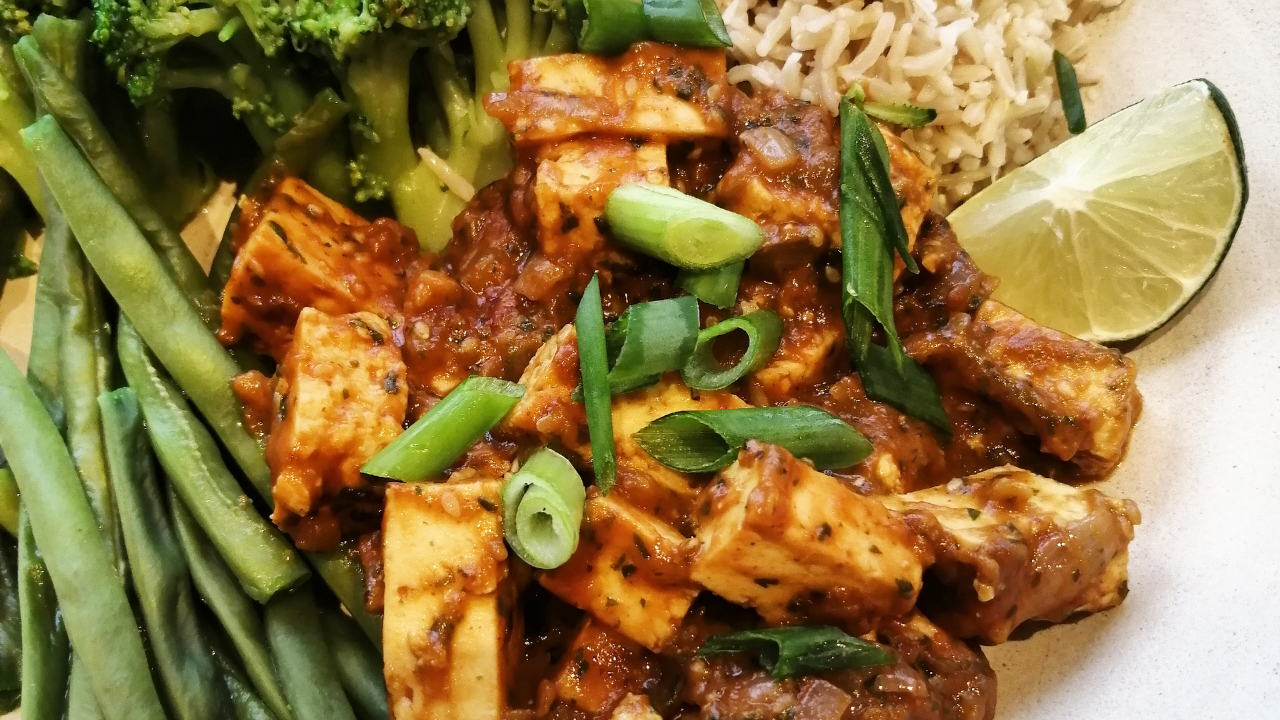
- Tofu to stir-fries
- Greek-style yogurt to breakfast
- Nuts and seeds to oatmeal or salads
Healthy Recipes With Whole Grains
Whole grains can make meals more satisfying while adding dietary fiber.
Examples include:
- Oatmeal
- Brown rice
- Whole-grain bread
- Whole-grain pasta
- Barley
- Quinoa
- Corn tortillas
- Other whole-grain cereals
The American Heart Association notes that many whole grains provide dietary fiber and gives foods such as oats, corn tortillas, and brown rice as examples.
Easy meal combinations
Try:
Brown rice + beans + vegetables
Oatmeal + berries + nuts
Whole-grain pasta + vegetables + chicken
Quinoa + chickpeas + roasted vegetables
Healthy Breakfast Recipes
Breakfast does not need to be elaborate.
1. Oatmeal With Berries and Nuts
Ingredients
- Rolled oats
- Water or milk
- Fresh or frozen berries
- Unsalted nuts
- Cinnamon, if desired
Preparation
Cook the oats according to package directions. Top with berries and nuts.
For additional variety, add sliced banana or unsweetened yogurt.
2. Vegetable and Egg Breakfast Bowl
Ingredients
- Eggs
- Spinach
- Bell peppers
- Tomatoes
- Cooked brown rice or another whole grain
- Herbs and spices
Preparation
Cook the vegetables until tender. Add the eggs and cook thoroughly. Serve over a small portion of cooked whole grain.
This type of meal combines vegetables, protein, and a whole grain.
3. Yogurt and Fruit Bowl
Ingredients
- Plain yogurt
- Fresh or frozen fruit
- Oats or another whole grain
- Unsalted nuts or seeds
Preparation
Combine the ingredients in a bowl.
Choose yogurt without added sugars when possible. The CDC identifies unsweetened yogurt as one option for a nutritious eating pattern.
Healthy Lunch Recipes
Lunch is often where convenience becomes especially important.
A healthy lunch can be assembled rather than cooked from scratch.
1. Bean and Vegetable Grain Bowl
Ingredients
- Cooked brown rice or quinoa
- Black beans or another bean
- Bell peppers
- Tomatoes
- Leafy greens
- Avocado
- Lime juice
- Herbs or spices
Preparation
Combine the ingredients in a bowl and season to taste.
This meal provides plant-based protein, vegetables, a whole grain, and a source of unsaturated fat.
2. Chicken and Vegetable Whole-Grain Wrap
Ingredients
- Whole-grain wrap
- Cooked chicken
- Lettuce or spinach
- Tomato
- Cucumber
- Bell pepper
- Plain yogurt-based dressing or another lower-sodium dressing
Preparation
Add the ingredients to the wrap, roll tightly, and serve.
To reduce sodium, be careful with processed meats, salty sauces, and packaged dressings.
The CDC recommends limiting highly processed foods that can be high in sodium and checking Nutrition Facts labels.
3. Lentil and Vegetable Soup
Ingredients
- Lentils
- Carrots
- Celery
- Tomatoes
- Onion
- Garlic
- Low-sodium broth
- Herbs and spices
Preparation
Cook the vegetables, add lentils and broth, and simmer until the lentils are tender.
This is also a useful meal for batch cooking.
Healthy Dinner Recipes
Dinner can follow the same basic formula:
Vegetables + protein + whole grain or another nutrient-rich carbohydrate
1. Baked Salmon With Vegetables and Brown Rice
Ingredients
- Salmon
- Broccoli
- Carrots
- Brown rice
- Lemon
- Garlic
- Herbs and spices
Preparation
Bake the salmon until fully cooked. Roast or steam the vegetables and serve with cooked brown rice.
NHLBI provides several examples of simple fish and seafood recipes, including baked fish and baked salmon dishes.
2. Chicken and Vegetable Stir-Fry
Ingredients
- Skinless chicken breast
- Broccoli
- Bell peppers
- Carrots
- Onions
- Brown rice
- Garlic
- Ginger
- Lower-sodium seasoning or sauce
Preparation
Cook the chicken thoroughly. Add the vegetables and cook until tender-crisp. Serve over brown rice.
Use sauces carefully because prepared sauces can contribute significant sodium.
3. Black Bean and Vegetable Tacos
Ingredients
- Black beans
- Corn tortillas
- Cabbage or lettuce
- Tomatoes
- Bell peppers
- Avocado
- Lime
- Cilantro
Preparation
Warm the beans and tortillas. Add vegetables and avocado, then finish with lime and herbs.
This is an example of how beans can replace meat in a meal.
4. Vegetable and Chickpea Curry
Ingredients
- Chickpeas
- Tomatoes
- Spinach
- Carrots
- Bell peppers
- Onion
- Garlic
- Curry spices
- Brown rice
Preparation
Cook the onion and vegetables. Add chickpeas, tomatoes, and spices. Simmer until the vegetables are tender. Serve with brown rice.
For a lower-sodium version, choose no-salt-added ingredients where available and season with herbs and spices.
Healthy Snack Ideas
Snacks can be simple.
Consider:
- Fresh fruit
- Vegetable slices with hummus
- Plain yogurt with berries
- Unsalted nuts
- Fruit with nut butter
- Air-popped popcorn with minimal added salt
- Whole-grain crackers with a protein-rich topping
- A small smoothie made primarily from fruit, vegetables, and an unsweetened liquid
The best option depends on your hunger, overall eating pattern, preferences, and nutritional needs.
Healthy Recipes for Busy Weeknights
Healthy cooking becomes easier when the recipe does not require dozens of ingredients.
The American Heart Association specifically highlights quick, easy recipes designed to fit busy lifestyles, while the NHS provides flexible dinner recipes that can be filtered by preparation time, cooking time, ingredients, and dietary preferences.
Try the 20-minute meal formula
Choose:
1 protein
- Eggs
- Beans
- Chicken
- Fish
- Tofu
1 vegetable combination
- Frozen broccoli
- Peppers and onions
- Mixed vegetables
- Spinach and tomatoes
1 whole grain or other carbohydrate
- Brown rice
- Whole-grain pasta
- Quinoa
- Corn tortillas
1 flavor combination
- Lemon + garlic
- Lime + cilantro
- Ginger + garlic
- Tomato + herbs
This approach lets you create different meals without following a completely new recipe every night.
How to Make Healthy Recipes Taste Better
Healthy food does not have to be bland.
Instead of relying heavily on salt, experiment with:
- Garlic
- Ginger
- Lemon
- Lime
- Black pepper
- Paprika
- Cumin
- Cinnamon
- Basil
- Cilantro
- Parsley
- Oregano
- Rosemary
- Thyme
The American Heart Association recommends herbs and spices as a way to add flavor and as alternatives to relying heavily on salt.
Acidic ingredients such as lemon and lime can also brighten the flavor of many dishes.
How to Reduce Added Sugar in Recipes
Added sugar can appear in obvious and less obvious places.
Common sources include:
- Sweetened beverages
- Flavored yogurts
- Sweet sauces
- Desserts
- Sweetened breakfast foods
- Flavored coffee drinks
- Packaged snacks
The CDC recommends choosing water instead of sugary drinks and using fruit to add sweetness to foods such as whole-grain cereal and yogurt.
Simple recipe swaps
Instead of:
Sweetened yogurt → plain yogurt + fruit
Sugary drink → water + lemon or lime
Sweet breakfast cereal → oatmeal + berries
Sweet sauce → herbs, spices, citrus, or a lower-sugar alternative
These changes do not mean every sweet food needs to be eliminated. The goal is to reduce reliance on added sugars within the overall eating pattern.
How to Reduce Sodium in Healthy Recipes
Sodium is another ingredient worth paying attention to.
A recipe can contain nutritious foods but still become high in sodium because of ingredients such as:
- Processed meats
- Salty sauces
- Packaged soups
- Salted canned foods
- Prepared meals
- Certain snack foods
- Large amounts of added salt
The CDC recommends limiting highly processed foods that can be high in sodium and checking Nutrition Facts labels.
Lower-sodium cooking ideas
Try:
- No-salt-added canned beans
- Frozen vegetables without added salt
- Fresh herbs
- Garlic
- Onion
- Lemon juice
- Lime juice
- Spices
- Homemade sauces
Rinsing canned beans can also be a practical way to modify their preparation, although the amount of sodium removed can vary.
Healthy Recipes on a Budget
Eating well does not necessarily require buying expensive specialty foods.
Budget-friendly ingredients can include:
- Oats
- Beans
- Lentils
- Brown rice
- Potatoes
- Frozen vegetables
- Seasonal produce
- Eggs
- Canned fish
- Whole-grain staples
- Plain yogurt
- Nuts and seeds in appropriate portions
Frozen fruits and vegetables can be particularly useful because they can be stored longer and used when needed. The CDC notes that frozen fruits and vegetables can be healthy choices.
Budget strategy
Before shopping:
- Check what you already have.
- Choose several recipes using overlapping ingredients.
- Build a shopping list.
- Buy versatile staples.
- Cook larger batches when practical.
- Freeze portions that will not be eaten soon.
Healthy Meal Prep for the Week
Meal preparation can make healthy choices easier when you are busy.
You do not need to prepare every meal for seven days.
Instead, prepare a few components.
Example meal-prep session
Protein
- Cook chicken, beans, lentils, eggs, tofu, or fish.
Grains
- Prepare brown rice, quinoa, oats, or another whole grain.
Vegetables
- Wash and cut fresh vegetables.
- Roast a large batch.
- Keep frozen vegetables available.
Flavor
- Prepare a simple herb-based dressing or sauce.
These ingredients can then become different meals.
For example:
Monday: Chicken + brown rice + broccoli
Tuesday: Chicken + vegetables + whole-grain wrap
Wednesday: Grain bowl + beans + vegetables
Thursday: Stir-fry using remaining vegetables
Friday: Vegetable omelet + whole-grain toast
Fresh, Frozen, or Canned: Which Is Healthier?
The answer is not always “fresh.”
Fresh, frozen, and canned foods can all have a place in a healthy eating pattern.
The CDC specifically notes that fresh, frozen, and canned fruits and vegetables can be healthy choices.
When buying canned products, check the label for:
- Added sodium
- Added sugars
- Syrups
- Preparation method
For vegetables, no-salt-added or lower-sodium options may be useful.
For fruit, choose varieties packed in water or their own juice when possible.
Healthy Recipes for Different Eating Preferences
A healthy eating pattern can look different from person to person.
Vegetarian meals
Try:
- Lentil soup
- Bean tacos
- Chickpea curry
- Vegetable frittata
- Tofu stir-fry
- Bean and grain bowls
Dairy-free meals
Try:
- Oatmeal with fruit and nuts
- Bean and vegetable bowls
- Fish with vegetables
- Lentil soup
- Tofu and vegetable stir-fry
If using plant-based milk alternatives, check whether they are fortified with nutrients such as calcium and vitamin D.
Gluten-sensitive eating
People who need to avoid gluten should select ingredients appropriate for their individual needs and check labels carefully for packaged foods.
Naturally gluten-free foods include many:
- Fruits
- Vegetables
- Beans
- Lentils
- Eggs
- Fish
- Meat
- Rice
- Potatoes
However, packaged products can contain gluten-containing ingredients or cross-contact, so individual requirements matter.
Healthy Cooking Methods
How you prepare food can affect the nutritional profile of a meal.
Useful cooking methods include:
Baking
A simple option for fish, poultry, vegetables, and many casseroles.
Roasting
Useful for vegetables such as:
- Carrots
- Broccoli
- Cauliflower
- Brussels sprouts
- Sweet potatoes
Steaming
A convenient way to prepare vegetables without requiring much added fat.
Grilling
Works well for vegetables, fish, chicken, and leaner cuts of meat.
Stir-frying
Allows you to combine vegetables and protein quickly, although the amount and type of oil and sauce should be considered.
The CDC recommends alternatives such as baking or grilling instead of frying in some recipes.
How to Make Traditional Recipes Healthier
You do not necessarily need to abandon favorite foods.
Instead, look for opportunities to modify the recipe.
Try these approaches:
Fried chicken → baked or grilled chicken
Large portion of meat → smaller portion with more vegetables
Refined grain → whole-grain alternative where appropriate
Heavy sauce → lighter sauce
Sugary dessert → fruit-based option
Salty seasoning → herbs, spices, garlic, citrus, and other flavorings
Meat-centered meal → add beans, lentils, or vegetables
The NHS recipe collection demonstrates how familiar foods such as pizza, curry, fish and chips, chili, and other comfort foods can be adapted into healthier meal ideas.
What About Heart-Healthy Recipes?
Many healthy eating principles overlap with heart-health guidance.
The National Heart, Lung, and Blood Institute provides recipes that include vegetables, fruit, grains or pasta, legumes, poultry, and seafood. Its recipe collection includes options such as baked fish, salmon, vegetable sides, and salads.
The American Heart Association emphasizes:
- Fruits and vegetables
- Whole grains
- Beans and legumes
- Fish
- Nuts
- Lean protein choices
- Healthier unsaturated fats
- Lower intake of sodium, added sugars, saturated fats, and processed meats
These principles can be incorporated into everyday recipes without requiring a specialized “diet.”
Can Healthy Recipes Help With Weight Management?
Food choices are one part of weight management.
The CDC states that an eating plan that supports health and weight management includes a variety of nutrient-dense foods and stays within an individual’s energy needs.
However, there is no single healthy recipe that causes weight loss.
Portion sizes, total dietary intake, physical activity, sleep, medications, health conditions, and other factors can affect body weight.
For this reason, SUNDRG Health should avoid describing individual recipes as “fat-burning,” “detoxifying,” or guaranteed weight-loss foods.
A more evidence-based approach is to focus on nutritious meals, appropriate portions, dietary variety, and sustainable habits.
Can Healthy Recipes Be Healthy and Delicious?
Yes.
Healthy eating does not require food to be plain or flavorless.
The American Heart Association notes that healthier eating can be easy, affordable, and delicious, while its recipe collection focuses on quick meals designed for real-life schedules.
Flavor can come from:
- Fresh herbs
- Spices
- Garlic
- Ginger
- Citrus
- Vinegar
- Unsalted nuts and seeds
- Roasted vegetables
- Homemade sauces
The key is learning how to build flavor without relying excessively on added sugar, sodium, or saturated fat.
A Simple Healthy Recipe Formula
When you do not know what to cook, use this formula:
1. Choose a protein
Examples:
- Beans
- Lentils
- Fish
- Chicken
- Eggs
- Tofu
- Nuts or seeds
2. Add vegetables
Choose one or several:
- Broccoli
- Spinach
- Carrots
- Peppers
- Tomatoes
- Cabbage
- Green beans
- Cauliflower
3. Choose a carbohydrate
Consider:
- Brown rice
- Oats
- Quinoa
- Potatoes
- Whole-grain pasta
- Corn tortillas
4. Add flavor
Try:
- Garlic + lemon
- Ginger + lime
- Tomato + basil
- Cumin + cilantro
- Rosemary + garlic
5. Check the extras
Before serving, ask:
- Is there a lot of added sugar?
- Is the sauce very salty?
- Is there a large amount of saturated fat?
- Could I add another vegetable?
- Is the portion appropriate for my needs?
This five-step system can turn basic ingredients into dozens of different meals.
A One-Day Example of Healthy Meals
Here is an example of how these principles might look across a day.
| Meal | Example |
|---|---|
| Breakfast | Oatmeal with berries, nuts, and plain yogurt |
| Lunch | Chicken and vegetable whole-grain wrap |
| Snack | Apple with unsalted nut butter |
| Dinner | Baked salmon, brown rice, and roasted broccoli |
| Drink | Water, with lemon or lime if desired |
This is only an example, not a prescribed meal plan.
Individual nutritional needs vary based on factors such as age, activity level, health status, dietary restrictions, preferences, and other circumstances.
Healthy Recipe Questions Readers Often Ask
What is the healthiest meal to eat?
There is no single healthiest meal for everyone.
A balanced meal that includes nutrient-dense foods from several food groups can be a practical choice. Vegetables, fruit, whole grains, protein foods, and healthier fats can all contribute to a healthy eating pattern.
What are some easy healthy meals?
Easy options include:
- Vegetable omelets
- Bean and rice bowls
- Baked fish with vegetables
- Chicken and vegetable wraps
- Lentil soup
- Oatmeal with fruit and nuts
- Vegetable and chickpea curry
- Tofu and vegetable stir-fry
What can I cook in 20 minutes?
Fast meals can include:
- Egg and vegetable bowls
- Bean tacos
- Tuna or salmon grain bowls
- Chicken and frozen-vegetable stir-fries
- Whole-grain pasta with vegetables
- Lentil and vegetable soup using pre-cooked ingredients
Are frozen vegetables healthy?
Yes. Frozen vegetables can be part of a healthy eating pattern. The CDC specifically includes frozen vegetables among convenient options and recommends checking for products without added salt when possible.
Are canned foods healthy?
Some canned foods can fit into a healthy eating pattern. Check labels for added sodium, sugar, and syrups. For canned fruit, options packed in water or their own juice can be preferable to varieties packed in syrup.
How can I make recipes healthier?
Start with small changes:
- Add more vegetables.
- Choose whole grains when appropriate.
- Use beans or lentils more often.
- Choose leaner protein options.
- Bake or grill instead of frying when practical.
- Reduce added sugar.
- Reduce sodium.
- Use herbs and spices for flavor.
- Pay attention to portions.
Can healthy meals be inexpensive?
Yes. Beans, lentils, oats, rice, potatoes, frozen vegetables, eggs, and seasonal produce can provide relatively affordable foundations for many meals.
The exact cost depends on location, season, store, brand, and household needs.
Do I have to follow a specific diet to eat healthy?
No. Healthy eating patterns can take many forms.
Personal preferences, culture, budget, dietary restrictions, and access to food all matter. The CDC emphasizes that healthy eating patterns can reflect personal preferences and budgetary considerations.
Practical Tips for Making Healthy Eating Stick
A sustainable approach is usually more useful than trying to change everything at once.
Start with one or two changes.
For example:
Week 1: Add a vegetable to lunch or dinner.
Week 2: Replace one sugary drink with water.
Week 3: Add beans or lentils to one meal.
Week 4: Prepare one additional homemade meal each week.
Small changes can become routines.
The American Heart Association emphasizes making simple changes to the overall eating pattern and notes that healthier eating does not require giving up all the foods you enjoy.
Final Takeaway
Healthy recipes do not have to be complicated.
The most useful approach is to build meals around variety, nutrient-dense foods, practical preparation methods, and flavors you enjoy.
Start with vegetables and fruit. Add a protein food. Choose a whole grain or another nutritious carbohydrate when appropriate. Use healthier fats in sensible amounts, and keep an eye on added sugars and sodium.
You can use fresh, frozen, and appropriately selected canned foods. You can adapt familiar recipes rather than abandoning them. And you can make healthy meals fit different budgets, cultures, schedules, and food preferences.
Most importantly, focus on your overall eating pattern rather than trying to make every meal perfect.
Healthy eating is not about finding one magical recipe.
It is about creating a collection of simple meals that you can realistically prepare, enjoy, and return to again and again.
Sources
- National Heart, Lung, and Blood Institute — Healthy Eating Recipes
- American Heart Association — Quick, Easy, Healthy Recipes for Real Life
- CDC — Healthy Eating Tips
- CDC — Tips for Healthy Eating for a Healthy Weight
- American Heart Association — Your Guide to Healthy Eating Habits That Stick
- American Heart Association — The Deliciously Balanced Plate
- MedlinePlus — Healthy Recipes
- NHS — Dinner Recipes
- American Heart Association — Cookbooks and Recipe Resources
- Million Hearts — Recipes