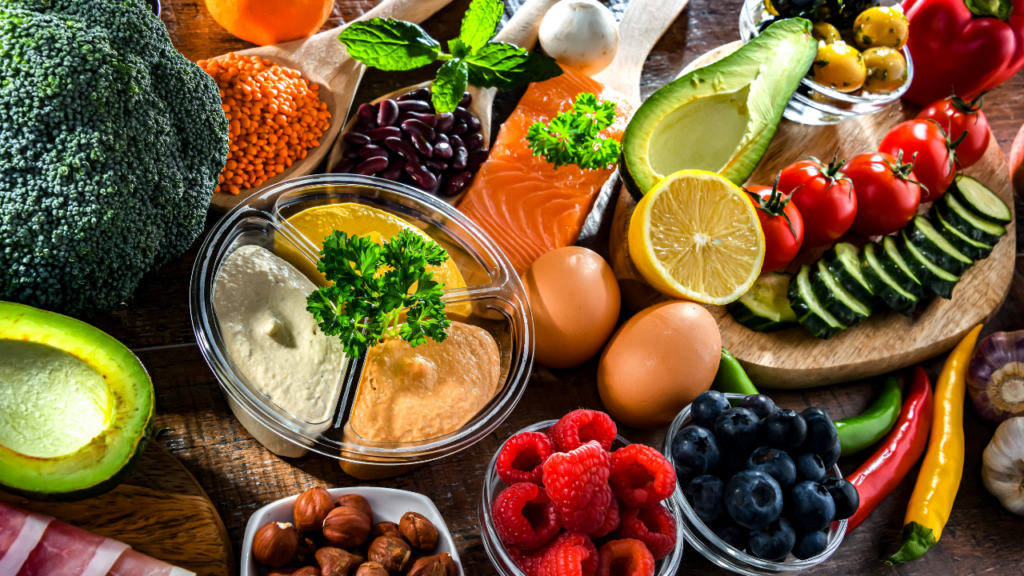
Food plays an important role in managing congestive heart failure. The right diet can help reduce fluid buildup, lower blood pressure, and decrease the workload on the heart. Healthy eating also supports energy levels and overall well-being.
Many people with CHF benefit from reducing sodium, managing fluid intake, and choosing nutrient-rich foods. While medications are important, dietary changes are often one of the first steps in treatment. Together, these strategies can help improve symptoms and quality of life.
A. Importance of a Heart-Healthy Diet
A heart-healthy diet helps the heart work more efficiently. It can reduce fluid retention, lower cholesterol levels, and help control blood pressure. These benefits are especially important for people living with heart failure.
Healthy eating also supports weight management and blood sugar control. Since conditions like obesity and diabetes can worsen heart failure, proper nutrition becomes an essential part of treatment.
Benefits of a Heart-Healthy Diet
- Reduces fluid buildup
- Helps control blood pressure
- Supports healthy cholesterol levels
- Improves energy levels
- Helps maintain a healthy weight
- Supports overall heart function
Dietary Goals for CHF
| Goal | Why It Matters |
|---|---|
| Lower sodium intake | Helps reduce fluid retention |
| Choose healthy foods | Supports heart health |
| Control portions | Helps manage weight |
| Limit added sugars | Supports blood sugar control |
| Follow fluid recommendations | Prevents fluid overload |
Understanding Sodium and Fluid Management
Sodium is a mineral found in salt and many packaged foods. When people consume too much sodium, the body holds onto extra water. This can increase swelling and make the heart work harder.
For people with CHF, reducing sodium intake often helps decrease fluid retention. Many healthcare providers recommend choosing foods labeled “low sodium” and avoiding highly processed foods whenever possible.
Some people may also need to limit daily fluid intake. Too much fluid can increase pressure on the heart and worsen symptoms such as swelling and shortness of breath. Fluid recommendations vary depending on individual needs.
Common Sources of Hidden Sodium
- Canned soups
- Frozen meals
- Processed meats
- Fast food
- Salad dressings
- Soy sauce
- Snack foods
- Packaged sauces
B. Foods to Eat
A healthy CHF diet focuses on nutrient-dense foods that support heart health. These foods provide vitamins, minerals, fiber, and healthy fats without excessive sodium or unhealthy ingredients.
The DASH (Dietary Approaches to Stop Hypertension) eating plan is often recommended for people with heart failure. It emphasizes whole foods and limits processed products.
Fruits and Vegetables
Fruits and vegetables are rich in vitamins, minerals, antioxidants, and fiber. They naturally contain little sodium and can help support healthy blood pressure levels.
Aim to include a variety of colorful produce every day. Fresh, frozen, and no-salt-added canned options are generally good choices.
Heart-Healthy Fruits and Vegetables
- Apples
- Berries
- Oranges
- Bananas
- Spinach
- Kale
- Broccoli
- Carrots
- Bell peppers
- Tomatoes
Whole Grains
Whole grains provide fiber and nutrients that support heart health. They can help improve cholesterol levels and keep you feeling full longer.
Choose whole grains instead of refined grains whenever possible. Look for products that list whole grains as the first ingredient.
Examples of Whole Grains
| Whole Grain | Benefits |
| Oatmeal | Supports cholesterol control |
| Brown rice | Provides fiber and nutrients |
| Whole wheat bread | Better than refined bread |
| Quinoa | High in protein and fiber |
| Barley | Supports digestive health |
Lean Proteins
Protein helps maintain muscle strength and supports overall health. Lean protein sources provide nutrition without excessive saturated fat.
Fish, skinless poultry, beans, and legumes are excellent choices. Plant-based proteins can also be beneficial for heart health.
Healthy Protein Sources
- Fish
- Skinless chicken or turkey
- Beans
- Lentils
- Peas
- Tofu
- Low-fat dairy products
- Eggs in moderation
Healthy Fats
Not all fats are harmful. Healthy fats can help support heart health and reduce inflammation. Replacing unhealthy fats with healthier options is an important dietary strategy.
Focus on unsaturated fats instead of saturated or trans fats. These healthier fats can be included as part of a balanced diet.
Sources of Healthy Fats
- Olive oil
- Avocados
- Nuts
- Seeds
- Fatty fish such as salmon
- Natural nut butters
DASH Diet and CHF
The DASH diet is one of the most commonly recommended eating plans for heart health. It emphasizes nutrient-rich foods while limiting sodium, sugar, and unhealthy fats.
Research suggests that the DASH diet may improve blood pressure and support overall cardiovascular health. Many healthcare providers recommend it for people with CHF.
DASH Diet Focuses On
- Fruits and vegetables
- Whole grains
- Lean proteins
- Low-fat dairy
- Nuts and seeds
- Legumes
DASH Diet Limits
- Sugary foods
- Processed foods
- High-sodium foods
- Saturated fats
- Trans fats
C. Foods to Limit
Certain foods can worsen heart failure symptoms by increasing fluid retention, blood pressure, and cholesterol levels. Limiting these foods can help improve symptom control.
Reading labels and making informed food choices can help reduce exposure to harmful ingredients.
High-Sodium Foods
High-sodium foods are among the most important foods to limit. Excess sodium causes the body to retain water, which increases swelling and fluid buildup.
Foods High in Sodium
- Canned soups
- Processed meats
- Bacon and sausage
- Fast food
- Instant noodles
- Packaged snacks
- Frozen dinners
- Pickled foods
Processed Foods
Processed foods often contain large amounts of sodium, added sugars, and unhealthy fats. Even foods that do not taste salty may contain significant amounts of sodium.
Preparing meals at home allows better control over ingredients and portion sizes.
Examples of Processed Foods
| Food Type | Why Limit It |
| Frozen meals | High sodium content |
| Packaged snacks | Added salt and fats |
| Processed meats | High sodium and preservatives |
| Fast food | Excess calories and sodium |
Sugary Beverages
Sugary drinks provide calories without significant nutritional value. Excess sugar can contribute to weight gain, diabetes, and metabolic problems.
Replacing sugary beverages with healthier alternatives can support overall heart health.
Better Beverage Choices
- Water
- Sparkling water without added sugar
- Herbal tea
- Unsweetened tea
- Low-fat milk
Excess Saturated and Trans Fats
Saturated and trans fats can raise unhealthy cholesterol levels and increase the risk of heart disease. These fats are often found in fried foods, baked goods, and processed snacks.
Limiting these fats can help protect blood vessels and support long-term heart health.
Foods High in Unhealthy Fats
- Fried foods
- Commercial baked goods
- Shortening
- Fatty cuts of meat
- Full-fat dairy products
- Processed snack foods
D. Reading Food Labels
Food labels provide important information about sodium, calories, fat, and serving sizes. Learning how to read labels can make shopping much easier for people with CHF.
Many foods that seem healthy may contain hidden sodium or added sugars. Paying attention to label details helps support better food choices.
Understanding Sodium Content
When shopping, look for products labeled:
| Label Term | Sodium Content |
| Sodium-Free | Less than 5 mg per serving |
| Very Low Sodium | 35 mg or less per serving |
| Low Sodium | 140 mg or less per serving |
| Reduced Sodium | At least 25% less sodium than the regular product |
If sodium appears among the first few ingredients on a food label, the product may contain a significant amount of salt.
Portion Control
Portion size is just as important as food choice. Eating large portions can increase calorie intake and contribute to weight gain. Food labels list nutrition information based on a specific serving size.
Always compare the serving size listed on the package with the amount you actually eat. A package may contain multiple servings even if it appears to be a single portion.
Tips for Portion Control
- Use smaller plates
- Measure portions when possible
- Avoid eating directly from large packages
- Read serving sizes carefully
- Eat slowly and mindfully
Practical Tips for Everyday Eating
Managing CHF through diet does not mean food has to be bland or boring. Many flavorful alternatives can replace salt and unhealthy ingredients.
Simple adjustments can make meals both enjoyable and heart healthy.
Ways to Add Flavor Without Salt
- Garlic
- Onion
- Lemon juice
- Basil
- Oregano
- Parsley
- Rosemary
- Black pepper
Daily Nutrition Checklist
✓ Eat fruits and vegetables every day
✓ Choose whole grains
✓ Include lean protein sources
✓ Limit processed foods
✓ Monitor sodium intake
✓ Follow fluid recommendations if advised
✓ Read food labels carefully
✓ Maintain healthy portion sizes
Key Points
- A heart-healthy diet is a vital part of managing congestive heart failure.
- Reducing sodium can help decrease fluid retention and swelling.
- Some people with CHF may need to limit fluid intake as directed by their healthcare provider.
- Fruits, vegetables, whole grains, lean proteins, and healthy fats should form the foundation of the diet.
- Processed foods, sugary beverages, and foods high in saturated or trans fats should be limited.
- The DASH diet is often recommended because it supports heart health and healthy blood pressure.
- Reading food labels helps identify hidden sodium and control portion sizes.
- Healthy eating habits can improve symptoms, support treatment, and enhance quality of life.