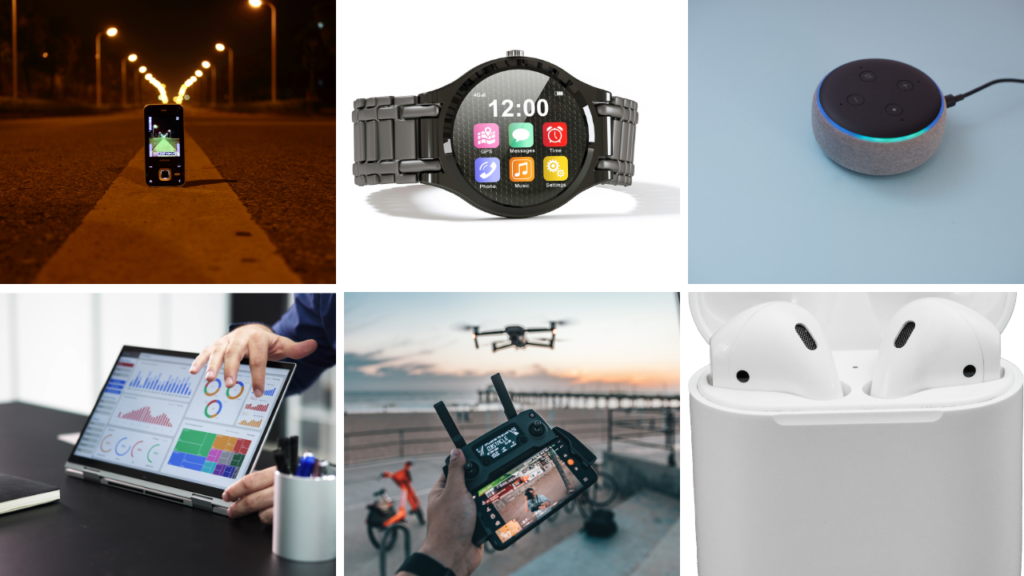
Smart gadgets have changed the way people live, work, and communicate. From smartwatches that track your heart rate to smart speakers that answer questions, these devices have become part of everyday life. They help automate tasks, improve convenience, and connect people to information in seconds. As technology continues to advance, smart gadgets are becoming faster, smarter, and more useful.
Unlike traditional electronic devices, smart gadgets do more than perform a single function. They collect data, connect to the internet or other devices, and often make decisions based on the information they receive. This ability makes them an important part of today’s connected world.
Table of Contents
- What Are Smart Gadgets?
- How Smart Gadgets Work
- Key Features of Smart Gadgets
- Types of Smart Gadgets
- Examples of Smart Gadgets
- Benefits of Smart Gadgets
- Drawbacks of Smart Gadgets
- Smart Gadgets in Everyday Life
- Smart Gadgets and the Internet of Things (IoT)
- Security and Privacy Concerns
- Future of Smart Gadgets
- Frequently Asked Questions
What Are Smart Gadgets?
A smart gadget is an electronic device that can connect, communicate, and interact with people, other devices, or online services. Most smart gadgets use wireless technologies such as Wi-Fi or Bluetooth to exchange information. They also include software that allows them to automate tasks and respond to user commands.
Many smart gadgets can learn from user behavior. For example, a smart thermostat may remember your preferred room temperature. A fitness watch can recognize your daily activity patterns. These features make smart gadgets more useful over time because they adapt to your needs.
How Smart Gadgets Work
Smart gadgets combine hardware and software to perform intelligent tasks. They gather information using sensors, process the information with built-in processors, and then respond automatically or send data to another device.
Most smart gadgets work through these steps:
| Step | Description |
|---|---|
| Sense | Sensors collect information such as motion, light, temperature, or location. |
| Process | A processor analyzes the collected data. |
| Connect | The device communicates through Wi-Fi, Bluetooth, cellular, or another wireless network. |
| Respond | The gadget performs an action or sends information to the user. |
For example, a smart doorbell detects motion, records video, and immediately sends a notification to your smartphone. This happens within seconds without requiring manual operation.
Key Features of Smart Gadgets
Most smart gadgets share several important features.
Internet Connectivity
Many smart devices connect to the internet to receive updates, communicate with cloud services, and exchange information with other devices.
Automation
Smart gadgets can perform actions automatically. Lights may switch on at sunset, or a robot vacuum may begin cleaning according to a schedule.
Sensors
Sensors allow devices to understand their surroundings. Common sensors detect:
- Temperature
- Motion
- Sound
- Light
- Humidity
- Location
- Heart rate
Remote Control
Many devices can be controlled using a smartphone app, tablet, or voice assistant.
Data Collection
Smart gadgets gather information to improve performance. A fitness tracker records steps, sleep, calories burned, and heart rate over time.
Types of Smart Gadgets
Smart gadgets are available in nearly every area of daily life.
| Category | Examples |
|---|---|
| Wearables | Smartwatches, fitness trackers |
| Smart Home | Smart lights, thermostats, locks, cameras |
| Entertainment | Smart TVs, streaming devices, smart speakers |
| Health | Blood pressure monitors, glucose monitors |
| Kitchen | Smart refrigerators, coffee makers, ovens |
| Security | Video doorbells, alarm systems |
| Transportation | GPS trackers, smart vehicle systems |
Common Examples of Smart Gadgets
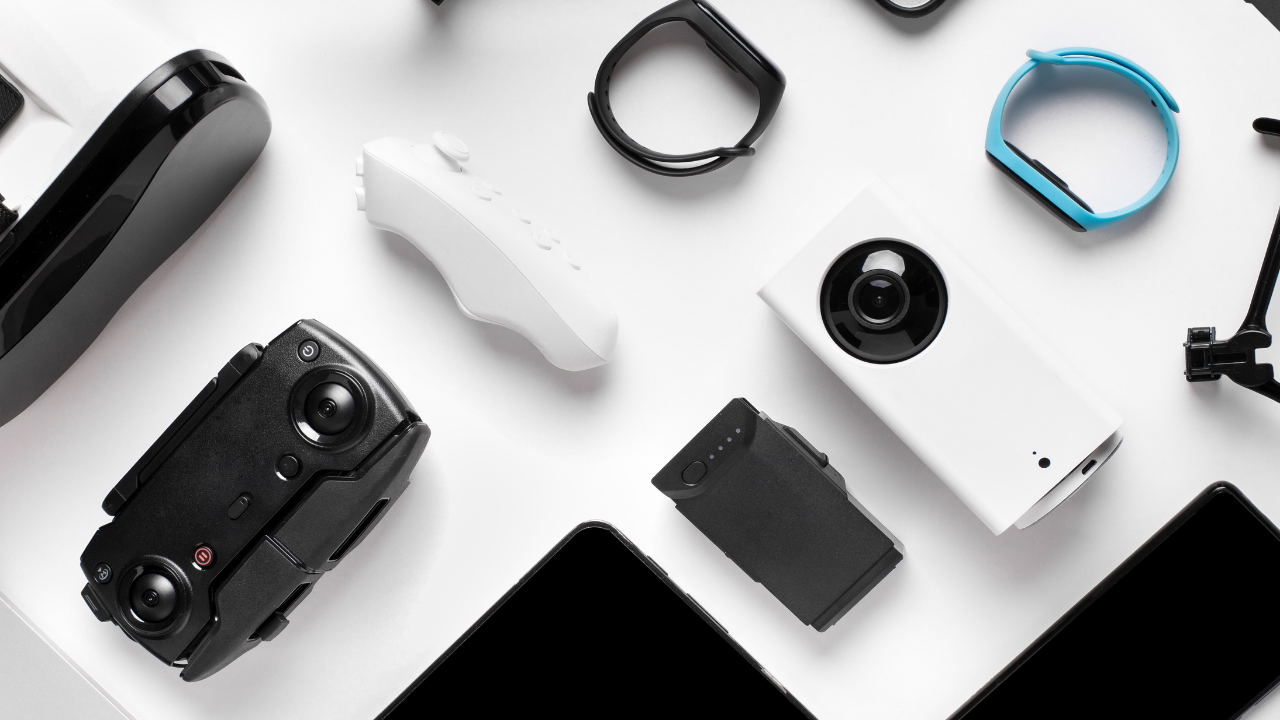
Some of the most popular smart gadgets include:
- Smartphones
- Smartwatches
- Smart TVs
- Smart speakers
- Smart thermostats
- Smart refrigerators
- Smart locks
- Smart lighting
- Video doorbells
- Fitness trackers
- Wireless security cameras
- Robot vacuum cleaners
Each device serves a different purpose but shares the ability to connect, process information, and improve convenience.
Benefits of Smart Gadgets
Smart gadgets provide many practical advantages.
Greater Convenience
People can control devices from almost anywhere using mobile apps. This saves time and reduces manual work.
Better Energy Efficiency
Smart thermostats and lighting systems adjust automatically to reduce unnecessary energy use. This can lower electricity bills.
Improved Home Security
Smart cameras, locks, and doorbells allow homeowners to monitor their property in real time. Instant alerts make it easier to respond to suspicious activity.
Health Monitoring
Wearable devices continuously monitor health information such as:
- Heart rate
- Sleep quality
- Exercise
- Blood oxygen
- Daily activity
This information helps users understand their overall wellness.
Increased Productivity
Smart assistants can:
- Set reminders
- Schedule appointments
- Answer questions
- Manage shopping lists
- Control connected devices
Drawbacks of Smart Gadgets
Although smart gadgets offer many advantages, they also have limitations.
Privacy Concerns
Many devices collect personal information. Users should understand what data is collected and how it is stored.
Cybersecurity Risks
Weak passwords, outdated software, and unsecured networks can make smart devices vulnerable to hackers. Regular software updates and strong passwords help reduce these risks.
Internet Dependence
Some smart gadgets lose important features when internet service is unavailable.
Higher Cost
Smart versions of products often cost more than traditional alternatives.
Compatibility Issues
Not every smart gadget works with every smart home platform. Users should check compatibility before purchasing.
Smart Gadgets in Everyday Life
Smart gadgets are now used in many different environments.
At Home
Examples include:
- Smart lighting
- Voice assistants
- Security systems
- Smart appliances
- Smart thermostats
These devices improve comfort and help automate daily routines.
In Healthcare
Hospitals and healthcare providers use smart medical devices to monitor patients remotely. Wearable health devices also allow individuals to track important health measurements throughout the day.
In Business
Businesses use smart devices to improve efficiency through inventory management, security monitoring, energy management, and customer service.
In Education
Students and teachers use smart tablets, interactive displays, and connected learning devices to improve classroom experiences.
Smart Gadgets and the Internet of Things (IoT)
Smart gadgets are a major part of the Internet of Things (IoT). IoT refers to a network of connected devices that communicate and exchange information automatically. These devices share data through the internet or local networks, allowing them to work together.
For example:
- A smart thermostat adjusts room temperature.
- A smart speaker receives a voice command.
- Smart lights switch on automatically.
- A security camera sends motion alerts.
Together, these devices create a connected smart home.
Security and Privacy Tips
Following a few basic practices can make smart gadgets safer.
- Change default passwords immediately.
- Enable two-factor authentication when available.
- Install software updates regularly.
- Use secure Wi-Fi networks.
- Buy devices from trusted manufacturers.
- Review privacy settings.
- Disable features you do not need.
These simple steps reduce many common security risks.
Future of Smart Gadgets
Smart gadgets are becoming more intelligent every year. Artificial intelligence, machine learning, edge computing, and faster wireless networks are making devices more responsive and capable. Future gadgets are expected to provide better automation, improved energy efficiency, and stronger integration across homes, workplaces, healthcare, transportation, and cities.
As technology improves, manufacturers are also placing greater emphasis on security, privacy, and sustainability. Better software protection and more energy-efficient hardware will help make smart gadgets safer and more environmentally friendly.
Advantages and Disadvantages at a Glance
| Advantages | Disadvantages |
|---|---|
| Saves time | Higher purchase cost |
| Automates daily tasks | Privacy concerns |
| Improves home security | Cybersecurity risks |
| Tracks health | Internet dependence |
| Saves energy | Compatibility issues |
| Remote control | Requires software updates |
Frequently Asked Questions
What is a smart gadget?
A smart gadget is an electronic device that connects to other devices or the internet, collects information, and performs tasks automatically or through user commands.
What makes a gadget “smart”?
A gadget is considered smart when it includes computing capability, sensors, software, and connectivity that allow it to communicate, process information, and automate actions.
What are common examples of smart gadgets?
Popular examples include smartphones, smartwatches, smart speakers, smart TVs, smart thermostats, fitness trackers, robot vacuums, and smart doorbells.
Do smart gadgets always need the internet?
Not always. Some features work through Bluetooth or a local network, but many advanced functions require an internet connection to access cloud services and remote control.
Are smart gadgets safe?
Most smart gadgets are safe when users keep software updated, use strong passwords, and secure their home networks. Ignoring security updates can increase the risk of cyberattacks.
Conclusion
Smart gadgets have become an essential part of modern life. They combine computing power, sensors, connectivity, and automation to make everyday tasks easier and more efficient. Whether used at home, in healthcare, at work, or while traveling, these devices help people save time, improve safety, and stay connected.
As artificial intelligence and IoT technologies continue to evolve, smart gadgets will become even more capable. At the same time, responsible use, good security practices, and careful attention to privacy will remain important for getting the most value from these connected devices.