Nitric oxide (NO) is an important compound your body makes from dietary nitrates. It helps relax and dilate your blood vessels, improving blood flow and supporting heart health. Nitric oxide also plays a role in immune function by helping immune cells communicate better. One of the easiest and safest ways to increase nitric oxide levels is through everyday foods, especially vegetables.
Eating nitrate-rich foods may help lower blood pressure, improve exercise performance, and delay muscle fatigue by increasing blood flow to active muscles. Instead of relying on supplements, most people can support healthy nitric oxide levels by making simple dietary changes. As always, it’s a good idea to talk with a healthcare professional before making major diet changes.
1. Beetroots
Beetroots are rich in natural compounds called dietary nitrates. When you eat beets or drink beetroot juice, your body turns these nitrates into nitric oxide. Nitric oxide helps relax and widen blood vessels, improving blood flow. Studies have shown that drinking beetroot juice can raise nitric oxide levels by about 21% in as little as 45 minutes. This makes beets a powerful, natural food for supporting circulation and heart health.
Because of these effects, beetroots are linked to several health benefits. Research shows they may help improve thinking and brain function, especially in older adults. Beets can also boost exercise performance by helping muscles use oxygen more efficiently, potentially increasing endurance. In addition, beetroot juice has been shown to help lower both systolic and diastolic blood pressure, especially in people with high blood pressure. Overall, beetroots are an easy and effective way to support nitric oxide production and overall health.
2. Garlic
Garlic is well known for its heart-healthy benefits, and one reason is that it helps increase nitric oxide levels in the body. It does this by activating an enzyme called nitric oxide synthase. This enzyme helps convert the amino acid L-arginine into nitric oxide. Nitric oxide helps relax and widen blood vessels, improving blood flow throughout the body.
Studies show that aged garlic extract can raise nitric oxide levels and help the body use nitric oxide more effectively. Research in both animals and humans suggests this may lead to lower blood pressure and better exercise performance. Garlic is also rich in antioxidants, vitamins B6 and C, and minerals like manganese. Compounds such as allicin help fight inflammation and protect the heart, making garlic a simple and powerful food to include in a healthy diet.
3. Dark Chocolate
Dark chocolate is rich in flavanols, which are natural plant compounds that help increase nitric oxide levels in the body. Nitric oxide helps relax and widen blood vessels, improving blood flow and supporting heart health. Studies show that eating dark chocolate can raise nitric oxide levels and help protect cells from oxidative stress-induced damage.
In a small study, people who ate about 30 grams of dark chocolate daily for 15 days had higher nitric oxide levels and lower blood pressure. The flavanols in cocoa are also linked to better blood flow, improved brain function, and a lower risk of heart disease. To get the most benefits, choose dark chocolate with a high cocoa content (70% or more) and enjoy it in moderation as part of a balanced diet.
4. Pomegranate
Pomegranates are rich in powerful antioxidants that help protect your cells from damage and support healthy nitric oxide levels. Nitric oxide helps relax blood vessels, improving blood flow and supporting heart health. Studies show that pomegranate juice can help prevent nitric oxide from breaking down and may increase its activity in the body.
Research suggests that drinking pomegranate juice may help improve blood flow and lower blood pressure, especially in people with high blood pressure or type 2 diabetes. Some studies also show potential benefits for brain health and conditions like erectile dysfunction, though more research in humans is still needed. You can enjoy pomegranates fresh, drink 100% pomegranate juice, or use a red fruit powder to get these benefits as part of a balanced diet.
5. Citrus Fruits
Citrus fruits like oranges, lemons, limes, and grapefruit are high in vitamin C, which helps your body make and use nitric oxide. Nitric oxide helps relax blood vessels, improving blood flow and supporting heart and brain health. Vitamin C also helps protect nitric oxide, keeping it active longer in the body.
Eating citrus fruits may help lower blood pressure, improve thinking and memory, and reduce the risk of heart disease. These fruits are low in calories, high in fiber, and rich in essential vitamins and minerals. Adding citrus fruits to your diet—such as eating an orange, squeezing lemon into water, or adding grapefruit to meals—is an easy and natural way to support healthy nitric oxide levels.
6. Meat
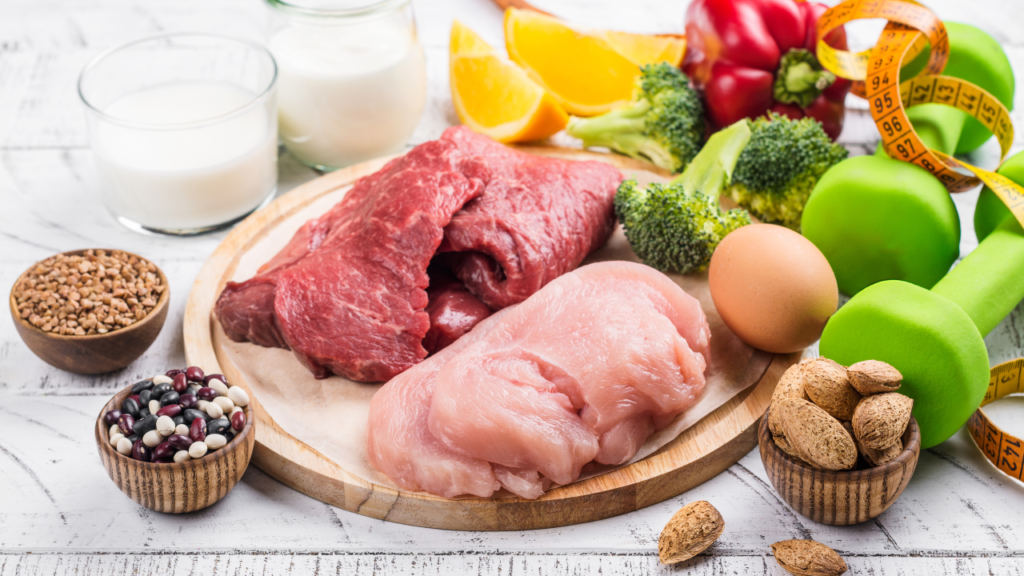
Meat, poultry, and seafood can support nitric oxide levels because they contain coenzyme Q10 (CoQ10). CoQ10 helps protect nitric oxide in the body so it can work properly. Foods like organ meats, fatty fish, beef, chicken, and pork are some of the best natural sources. Studies suggest that getting enough CoQ10 may help improve exercise performance, support heart health, and even reduce migraine headaches.
However, not all meat choices are equal. Processed meats often contain added nitrites and nitrates to keep their color and flavor. While these can raise nitric oxide levels, eating processed meats too often may increase health risks. Research has linked frequent intake of processed meats to higher chances of kidney and heart problems, especially in children. For better health, it’s best to limit processed meats and focus on whole, unprocessed protein sources along with vegetables and other nitric oxide–boosting foods.
7. Leafy Greens
Leafy green vegetables such as spinach, arugula, kale, and cabbage are rich in naturally occurring nitrates. Your body converts these nitrates into nitric oxide, which helps keep your blood vessels relaxed and healthy. Eating leafy greens regularly can help maintain steady nitric oxide levels in your blood and tissues. Studies show that meals high in nitrates, such as those with spinach or beet juice, can lower both systolic and diastolic blood pressure.
Leafy greens may also support long-term health beyond blood pressure. Research suggests that people who eat more nitrate-rich greens have a lower risk of heart disease and mental decline as they age. Spinach is especially high in nitrates, although the exact amount can vary based on how and where it is grown. Adding a variety of leafy greens to your meals is an easy and natural way to support nitric oxide production and overall health.
8. Watermelon
Watermelon is one of the best natural sources of citrulline, an amino acid that your body converts into arginine, which then converts into nitric oxide. Nitric oxide helps relax blood vessels and improve blood flow. Studies show that drinking watermelon juice can increase nitric oxide levels in just a few weeks. In a small study, men who drank watermelon juice daily showed greater nitric oxide availability, supporting heart and circulatory health.
Increasing watermelon intake may also help with exercise performance, lower blood pressure, and improve blood flow. This is because citrulline supports nitric oxide’s function in the body. While supplements may provide higher levels of citrulline, eating watermelon is a simple, natural option. Adding fresh watermelon to snacks, smoothies, or post-workout meals can help support nitric oxide production and
9. Nuts and Seeds
Nuts and seeds are rich in arginine, an amino acid your body uses to make nitric oxide. Nitric oxide helps relax blood vessels, improving blood flow and supporting heart health. Research shows that people who eat more arginine-rich foods, such as nuts and seeds, often have higher blood nitric oxide levels. This makes nuts and seeds a helpful, natural way to support healthy circulation.
Eating nuts and seeds regularly has also been linked to lower blood pressure, better brain function, and improved overall metabolic health. They contain healthy fats, fiber, and antioxidants that help reduce inflammation and oxidative stress. You can easily add them to your diet by sprinkling seeds on salads or yogurt, adding nut butter to smoothies, or enjoying a small handful as a snack.
10. Radishes
Radishes are a nitrate-rich root vegetable that helps your body produce nitric oxide. Nitric oxide supports healthy blood flow by helping blood vessels relax. Radishes provide a high amount of nitrates per serving, making them a strong food choice for heart and circulatory health. When you eat radishes regularly, your body can better maintain healthy nitric oxide levels in the blood and tissues.
Radishes also contain flavonoids, natural plant compounds with antioxidant and anti-inflammatory properties. Different colors of radishes—such as red, purple, and white—offer slightly different health benefits. Research suggests these compounds may help reduce inflammation, protect cells from damage, support heart health, help control blood sugar, and even protect against harmful bacteria. Radishes are easy to add to meals and can be eaten raw in salads, roasted as a side dish, or added to soups for extra crunch and nutrition.
Like Sources
https://pubmed.ncbi.nlm.nih.gov/26653541/
https://www.ncbi.nlm.nih.gov/pmc/articles/PMC6966103/
https://www.ncbi.nlm.nih.gov/pmc/articles/PMC9104583/
https://pubmed.ncbi.nlm.nih.gov/22156352/
https://www.ncbi.nlm.nih.gov/pmc/articles/PMC5465250/
https://www.ncbi.nlm.nih.gov/pmc/articles/PMC4973479/
https://pubmed.ncbi.nlm.nih.gov/25880021/
https://www.ncbi.nlm.nih.gov/pmc/articles/PMC5009163/
https://pubmed.ncbi.nlm.nih.gov/16626982/
https://pubmed.ncbi.nlm.nih.gov/38410857/
https://www.ncbi.nlm.nih.gov/pmc/articles/PMC4882723/