Iron deficiency happens when your body does not have enough iron to stay healthy. Iron is needed to make hemoglobin, a protein in red blood cells that carries oxygen throughout your body. When iron levels are low, your body cannot make enough hemoglobin, which means your muscles and tissues do not get the oxygen they need to work well.
Because of this lack of oxygen, people with iron deficiency may feel tired, look pale, or become short of breath. Other signs can also appear, such as changes in nails, skin, or unusual food cravings. Noticing these symptoms early is very important, because iron deficiency can sometimes be the first warning sign of serious health problems, and early treatment can help protect your life.
Here are Sign and Symptoms of Iron Deficiency
1. Unusual Tiredness {Fatigue}
Unusual tiredness is one of the most common signs of iron deficiency anemia. It happens because your body does not have enough iron to make hemoglobin, which is the part of red blood cells that carries oxygen. When oxygen levels are low, your muscles and tissues do not get the energy they need to work properly.
As a result, simple activities like walking up stairs or carrying groceries can make you feel very tired or short of breath. Your heart may beat faster as it tries to send more oxygen through your body. While feeling tired is common in daily life, ongoing fatigue along with other signs like pale skin or shortness of breath may be a warning sign of anemia.
2. Skin That’s Paler Than Usual (Pallor)
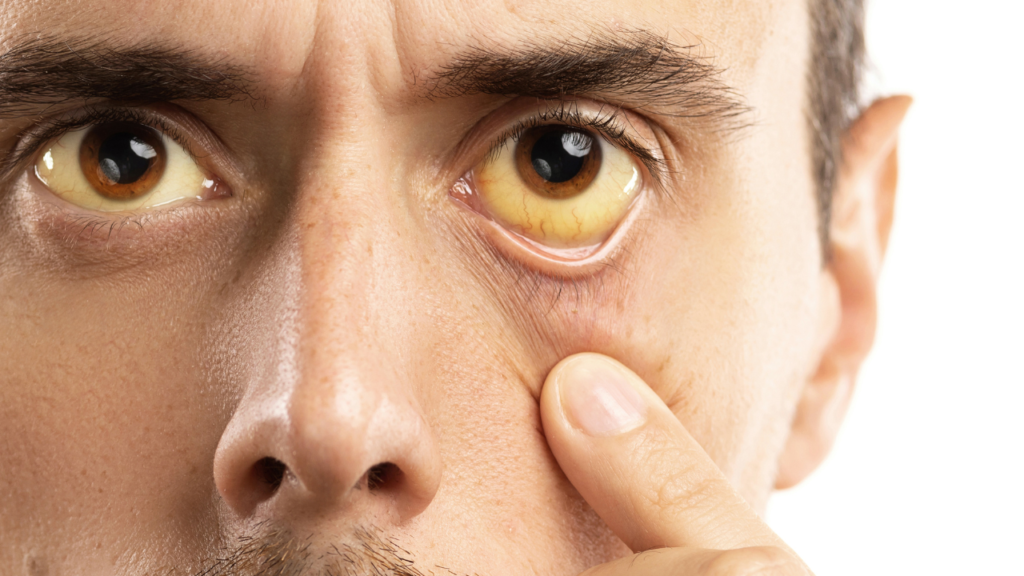
Skin that looks paler than normal can be a sign of iron deficiency. This happens because iron is needed to make hemoglobin, the part of red blood cells that gives blood its red color and carries oxygen. When iron levels are low, the blood becomes lighter in color, which can make the skin lose its healthy warmth and color.
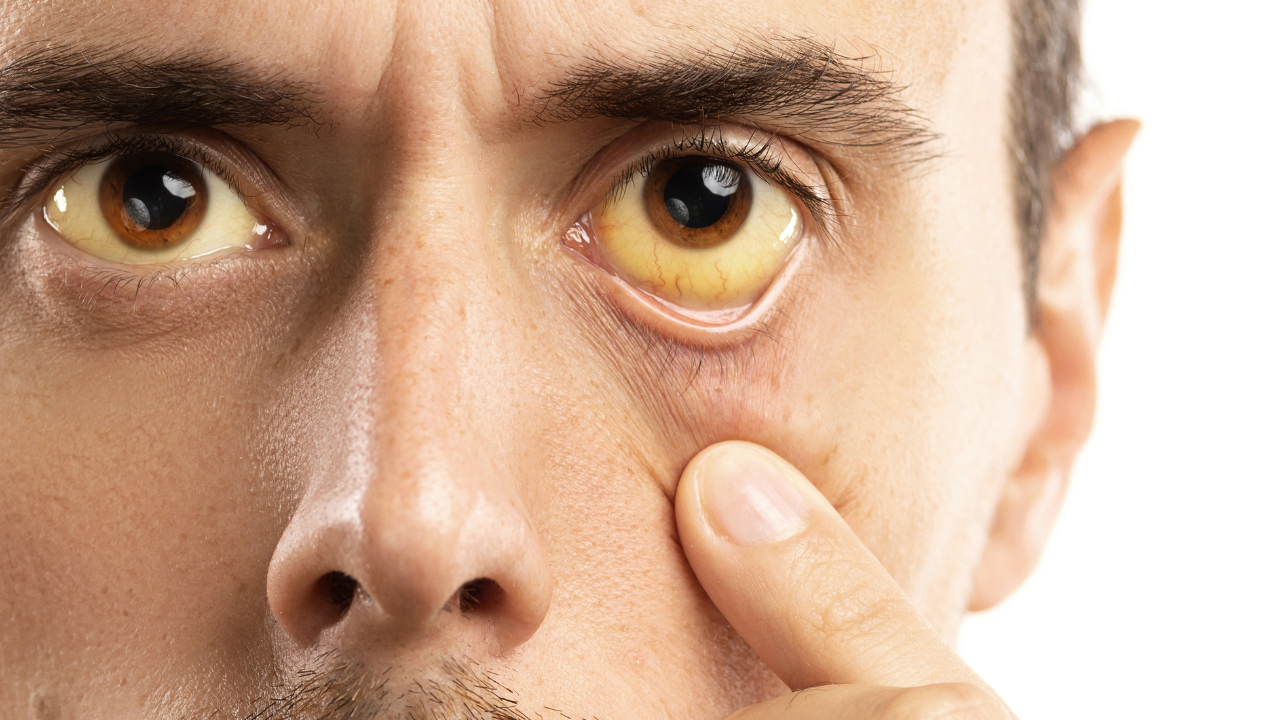
Pallor is often easiest to see in places where blood vessels are close to the surface, such as inside the lower eyelids or in the creases of the palms. The inside of the eyelid should look pink or red, not pale or yellow. While pale skin can have other causes, a blood test is needed to confirm whether iron deficiency anemia is the reason.
3. Brittle or spoon-shaped fingernails {Koilonychia}
Brittle or spoon-shaped fingernails can be a sign of iron deficiency anemia. At first, the nails may become weak, dry, and easy to chip or crack. This happens because iron is needed to keep nails strong and healthy.
As iron levels drop further, the nails can change shape and become thin and curved inward, like a spoon. This condition is called koilonychia. Although it looks unusual, it is usually reversible. When iron levels are restored through diet or supplements, the nails often return to a normal shape.
4. Strange cravings {Pica}
Strange cravings, known as pica, can be a sign of iron deficiency. Pica is the urge to eat items that are not real food, such as ice, chalk, dirt, clay, or paper. One of the most common cravings linked to iron deficiency is chewing ice, also called pagophagia. This craving can be very strong and hard to ignore.
These unusual cravings may happen because the body is lacking iron and is trying to cope in unhealthy ways. Pica can occur during pregnancy but may also affect children and adults with low iron levels. If someone suddenly develops cravings for non-food items, especially ice, it is important to check their iron levels and talk to a doctor.
5. Skin Infections
Skin infections can happen more often in people with iron deficiency. One example is ringworm, a fungal infection that causes a red, circular rash on the skin. The fungus enters through small cracks in the skin and spreads outward, creating its ring shape. The same type of fungi can also cause athlete’s foot and other skin problems.
Iron is important for a strong immune system. When iron levels are low, immune cells cannot fight germs as well as they should. This makes it easier for fungal and bacterial infections to grow on the skin and even in the lungs. Without enough iron, the body’s defenses become weaker, leading to more frequent infections.
6. Restless Legs Syndrome
Restless legs syndrome is a condition that can be linked to iron deficiency. It causes a strong and uncomfortable urge to move the legs, especially when sitting or lying still. People may feel crawling, tingling, or itching sensations in their legs, which often get worse at night and make it hard to fall asleep.
Iron is important for brain chemicals like dopamine, which help control movement. Even when iron levels seem normal on a blood test, the brain may still not have enough iron. Many people with restless legs feel better after improving their iron levels, so anyone with these symptoms should talk to a doctor.
7. Dry and damaged hair and skin
Dry, damaged skin and hair can be signs of iron deficiency. When the body lacks iron, it cannot deliver enough oxygen and nutrients to the skin and hair. This can cause the skin to become dry or dull and the hair to lose its strength and shine. Over time, hair may become weak and break easily.
Iron deficiency can also lead to hair thinning and hair loss. Hair follicles grow quickly and need iron to stay in the healthy growth phase. When iron levels are low, more hair may fall out during washing or brushing than normal. Some people may also notice dark circles under their eyes, which can be linked to low iron levels.
8. Feelings of depression
Iron deficiency can affect how the brain works and may lead to feelings of depression. Studies show there is a connection between iron deficiency anemia and depression in adults, including during and after pregnancy. When the body does not have enough iron, the brain may not get what it needs to function properly, which can affect mood and emotional health.
Iron is needed to make important brain chemicals like dopamine and serotonin. These chemicals help control mood, motivation, focus, and feelings of happiness. When iron levels are low, these chemicals may drop, making a person feel sad, unmotivated, or unlike themselves. This shows that iron is important not only for blood and oxygen, but also for mental and emotional well-being.
9. Heart palpitations
Heart palpitations can be a sign of iron deficiency anemia. When iron levels are low, the body cannot make enough hemoglobin to carry oxygen in the blood. This causes oxygen levels to drop, and the heart must pump faster and harder to supply oxygen to the body. As a result, you may feel fluttering, pounding, or a rapid heartbeat.
Over time, this extra strain on the heart can lead to irregular heart rhythms, chest discomfort, or trouble exercising. Iron deficiency can also make existing heart problems worse, such as heart failure or heart disease. However, heart palpitations can also be caused by other factors like stress, caffeine, or dehydration, so it is important to talk to a doctor if these symptoms occur.
10. Headaches
Headaches may be linked to iron deficiency, especially in people with iron-deficiency anemia. When iron levels are low, less oxygen reaches the brain, which can trigger headaches or migraines. Studies have found that women with iron deficiency are more likely to experience migraines, possibly due to changes in brain chemicals like dopamine and hormone levels such as estrogen.
Severe iron deficiency can make headaches more frequent and long-lasting. Some research shows a connection between iron deficiency anemia and chronic daily headaches. While headaches can have many causes, having them often or repeatedly may be a sign of low iron levels. Identifying and treating iron deficiency may help reduce headache symptoms.
11. Shortness of breath
Shortness of breath can be a sign of iron deficiency because iron is needed to make hemoglobin, which carries oxygen in the blood. When hemoglobin is low, less oxygen reaches the muscles and organs. This makes simple activities like walking or climbing stairs feel harder than usual.
To make up for the low oxygen, the body tries to breathe faster, which causes the feeling of being out of breath. If everyday tasks that were once easy now leave you breathing heavily, iron deficiency may be the cause. However, shortness of breath can also come from other health problems, so it is important to see a doctor and get tested.
12. Stroke Risk
Iron deficiency can increase the risk of stroke, even though this is not very common. When a person has iron deficiency anemia, the body may produce too many platelets. Platelets help blood clot, but having too many can make the blood more likely to form clots.
These extra clots can block blood flow in important areas, including the arteries that supply the brain. This can lead to a stroke. Some studies have reported young women having strokes with no clear cause except severe iron deficiency and high platelet levels. This shows why iron deficiency should not be ignored, even when symptoms seem mild.
13. Angular Cheilitis
Angular cheilitis is a painful condition where the corners of the mouth become sore, cracked, and inflamed. This area is delicate because it connects the moist inside of the mouth with the dry skin of the face. When iron levels are low, the body has trouble repairing this thin tissue, causing it to break down easily during normal talking, eating, or smiling.
Iron deficiency can also affect the tongue and mouth. People may notice a swollen or smooth tongue, a burning feeling, dry mouth, or painful sores. Cracks at the corners of the mouth and mouth ulcers can develop because the tissues do not heal well without enough iron. These mouth changes can be early warning signs of iron deficiency anemia.
14. Beeturia
Beeturia is when your urine turns pink or red after eating beets. Beets contain a natural red pigment called betanin. In most healthy people, iron helps break down this pigment before it leaves the body. When iron levels are low, more betanin stays unchanged and passes into the urine, causing a color change.
This happens in only a small number of healthy people, but it is much more common in those with iron deficiency. While beeturia alone does not prove iron deficiency, it can be a helpful clue. However, red urine should never be ignored, especially if you have not eaten beets, because it can also be a sign of other serious health problems.
Practical Tips
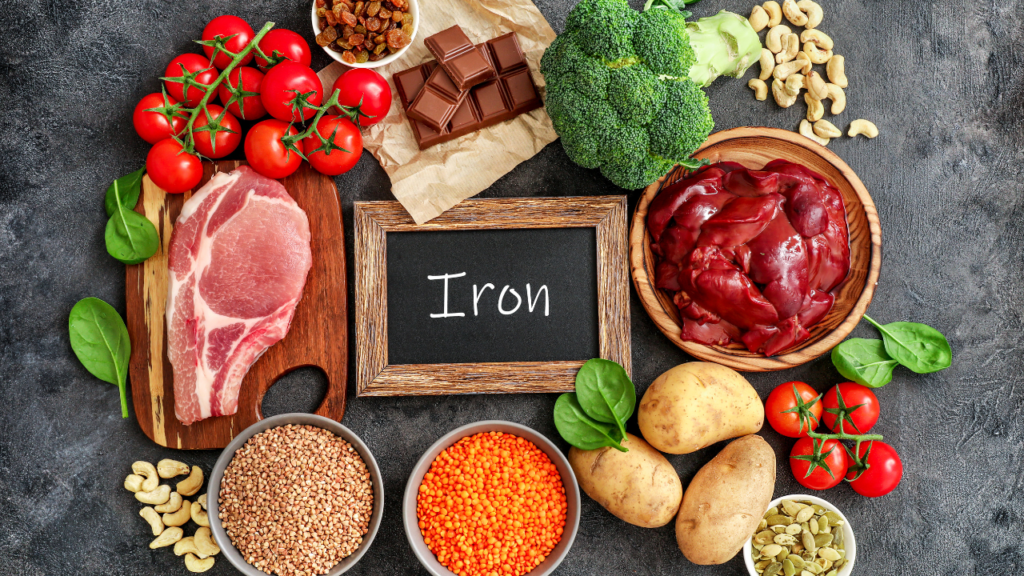
Boosting iron absorption is important, especially if you get iron from plant foods or take iron supplements. Vitamin C helps your body absorb iron better, so eating fruits and vegetables like oranges, tomatoes, or bell peppers with iron-rich meals is helpful. These foods make it easier for your body to use the iron you eat.
Some foods and drinks can block iron absorption. Calcium supplements and calcium-rich foods should be taken at a different time from iron. Tea and coffee can also reduce iron absorption if taken with meals. Cooking with cast iron pans can add small amounts of iron to food over time, which may help support healthy iron levels.
Like Sources
https://www.ncbi.nlm.nih.gov/books/NBK448065/
https://www.ncbi.nlm.nih.gov/pmc/articles/PMC9868202/
https://www.ncbi.nlm.nih.gov/pmc/articles/PMC7943415/
https://www.ncbi.nlm.nih.gov/pmc/articles/PMC6801325/
https://www.nhlbi.nih.gov/health/anemia/iron-deficiency-anemia
https://www.ncbi.nlm.nih.gov/pmc/articles/PMC9857585/
https://pubmed.ncbi.nlm.nih.gov/28189173/