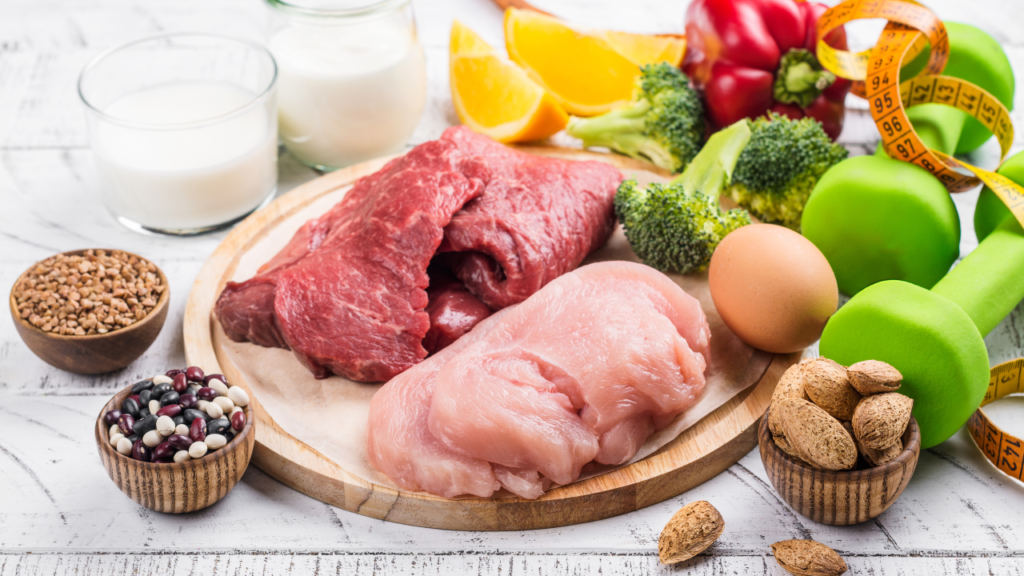
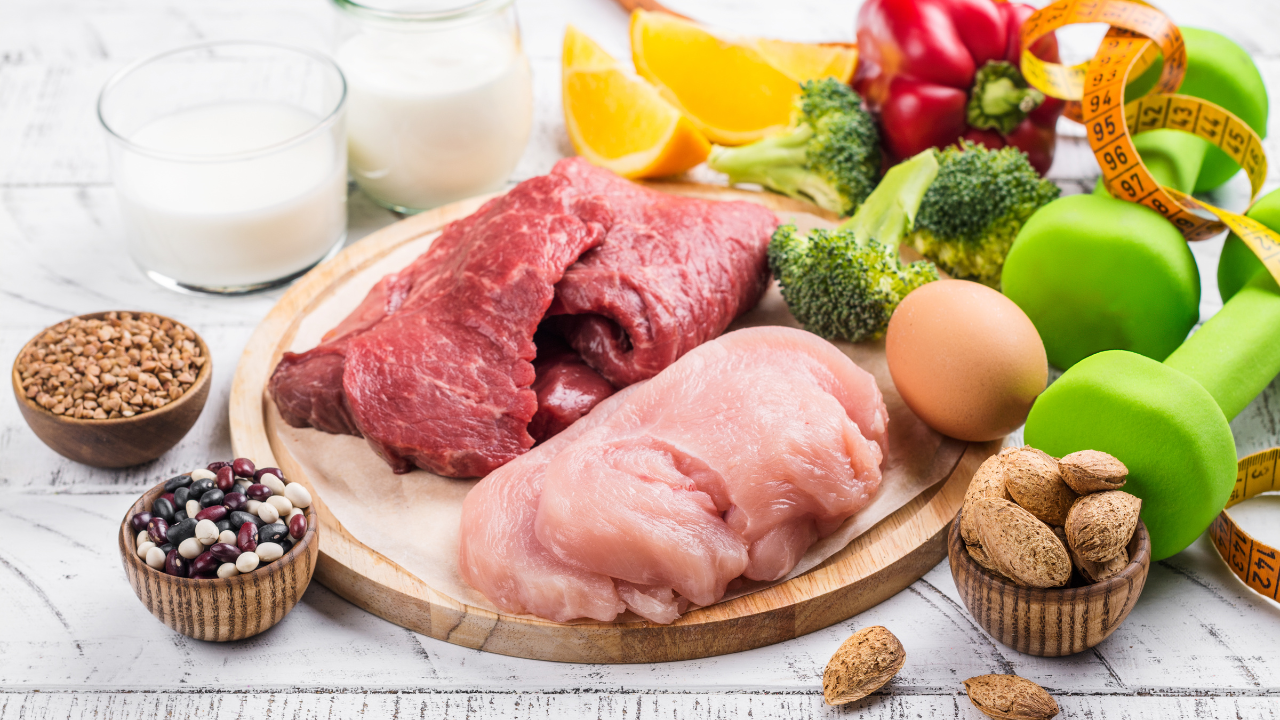
Building muscle takes more than just lifting weights. Nutrition and regular exercise work together to help muscles grow and recover. Foods high in protein are especially important because protein helps repair and build muscle tissue after workouts. Experts suggest eating about 1.4 to 2 grams of protein per kilogram of body weight each day for the best results, especially when doing strength or resistance training.
However, protein alone is not enough. A well-balanced diet that includes healthy carbohydrates and fats is also important. Carbohydrates give the body energy for workouts, while fats support overall health and hormone function. This balance is especially important for active people and athletes who need fuel for performance and recovery.
To gain muscle, your diet matters just as much as your workout routine. Lifting weights helps start muscle growth, but eating the right foods supports healing and strength gains. Whether you are new to exercise or experienced, choosing muscle-building foods and avoiding poor food choices can help you see better results over time.
Best muscle-building foods to eat
1. Eggs
Eggs are a powerful food for building muscle because they contain high-quality protein and essential amino acids. Protein is made of amino acids, which help repair and grow muscles after exercise. Eggs are especially rich in leucine, an amino acid that plays a key role in helping the body build muscle. One large egg provides about 6.2 grams of protein, making it an easy and effective muscle-building food.
In addition to protein, eggs contain other nutrients that support muscle growth and overall health. These include omega-3 fatty acids, vitamin D, cholesterol, and phospholipids. Together, these nutrients help support hormone production, muscle recovery, and energy levels, which are all important for strength training and active lifestyles.
Research shows that eating whole eggs after workouts may offer extra benefits. A study found that people who ate whole eggs after resistance training improved their strength and reduced body fat more than those who ate only egg whites. While both options help with muscle building, whole eggs may support better strength gains and overall fitness when included in a balanced diet
2. Chicken breast
Chicken breast is a popular food for building muscle because it is a lean source of high-quality protein. A 3 to 3.5-ounce serving provides about 22–27 grams of protein, which helps repair and grow muscles after exercise. Because it is low in fat, chicken breast supports muscle gain without adding too many extra calories.
Research supports the benefits of chicken breast for muscle development. A 2022 study showed that people who consumed chicken protein along with resistance training gained more muscle mass and strength than those who did not. Another study found that eating high-protein foods like chicken after workouts can help reduce body fat while increasing muscle strength.
Chicken breast also contains important B vitamins, such as niacin and vitamin B6. These vitamins help the body produce energy and support muscle function during physical activity. When combined with regular strength training, chicken breast can be an effective and healthy choice for building muscle.
3. Lean beef
Lean beef is a strong muscle-building food because it contains high-quality protein, B vitamins, minerals, and creatine. These nutrients help the body build and repair muscles during and after exercise. Lean beef also provides important minerals like iron and zinc, which support oxygen delivery and muscle recovery.
Choosing lean cuts of beef helps build muscle without adding too many extra calories or fat. For example, lean ground beef has fewer calories and much less fat than regular ground beef, while still providing plenty of protein. This makes lean beef a smart option for people who want to gain muscle while managing their calorie intake.
Research shows that lean beef supports muscle growth. A 2024 study found that meals with lean beef increased muscle protein building more than a plant-based meal with the same calories and protein. This shows that the amino acids in lean beef are especially effective for muscle development, making it a valuable food for strength and muscle gain.
4. Salmon
Salmon is a healthy food that supports muscle building and overall wellness. It is rich in high-quality protein, with a 3-ounce serving providing about 17 to 22 grams of protein. Protein helps repair and grow muscles after exercise, making salmon a strong choice for people who are active or strength training.
One key benefit of salmon is its omega-3 fatty acids. These healthy fats play an important role in muscle health by supporting recovery and muscle function. Research suggests that omega-3s may help increase muscle mass, reduce muscle soreness, and improve how muscles work during and after workouts.
Studies also show that eating salmon after exercise helps stimulate muscle growth. A 2020 study found that salmon was just as effective as isolated nutrients in boosting muscle protein building after workouts. This means whole foods like salmon can be just as powerful as supplements when included in a balanced diet.
5. Beans
Beans are a healthy plant-based food that can help support muscle growth. They provide protein, which muscles need to grow and repair, along with fiber that supports digestion. Many beans, such as black, pinto, and kidney beans, contain about 15 grams of protein per cup, making them a useful option for building muscle without animal products.
Research shows that bean protein can help muscles grow. A 2022 study found that fava bean protein increased muscle protein building both at rest and after resistance exercise. This shows that plant-based proteins from beans can effectively support muscle development when combined with strength training.
Beans also contain important nutrients that help the body work properly during exercise. These include B vitamins, iron, magnesium, and phosphorus, which support energy, muscle function, and recovery. Because they are nutrient-dense and filling, beans are an excellent choice for lean muscle gain and overall health.
6. Tofu
Tofu is a popular plant-based food made from soy milk and is often used as a meat substitute. It contains high-quality soy protein, which is considered one of the best plant proteins for muscle building. A half-cup serving of tofu provides about 10 grams of protein, along with healthy fats and a small amount of carbohydrates.
One important benefit of tofu is that it is a complete protein, meaning it contains all the essential amino acids needed for muscle growth and repair. Tofu is also rich in calcium, which helps support strong bones and proper muscle function. These nutrients make tofu a good option for people following plant-based or balanced diets.
Research shows that tofu can help improve muscle strength and size. A study found that older women who consumed dried tofu while following a walking exercise program increased their thigh muscle mass and strength. This suggests that tofu, when combined with regular activity, can support muscle development and overall physical health.
7. Greek yogurt
Greek yogurt is a strong muscle-building food because it contains two types of protein: fast-digesting whey and slow-digesting casein. This combination helps muscles recover quickly and continue repairing over time. Greek yogurt usually has about twice as much protein as regular yogurt, with nearly 20 grams of protein in a 7-ounce serving.
Eating Greek yogurt at the right time can increase its benefits. Having it after a workout helps muscles recover, while eating it before bed supports muscle repair during sleep. It also contains probiotics, which help support gut health and overall digestion.
Research shows that Greek yogurt supports muscle growth when paired with exercise. A study found that people who ate Greek yogurt while doing resistance training gained more strength, muscle thickness, and fat-free mass than those who did not. This makes Greek yogurt an effective and healthy choice for building muscle.
8. Soybeans
Soybeans are a powerful plant-based food for muscle building because they are rich in protein and contain all nine essential amino acids. A 3.5-ounce serving provides about 13 grams of protein, while half a cup of cooked soybeans contains even more. This makes soybeans a complete protein that supports muscle growth and repair.
Research shows that soy protein is just as effective as animal-based protein for building muscle. A review of several studies found no major difference between soy protein and whey protein when it comes to increasing lean body mass. This means soybeans are a strong option for people who prefer plant-based diets.
Soybeans also provide fiber, healthy fats, and important vitamins and minerals. They are rich in iron, which helps carry oxygen in the blood and muscles, supporting energy and muscle function. With their high nutrient content, soybeans support both muscle development and overall health.
9. Protein powders
Protein powders can be helpful for people who struggle to get enough protein from food alone. While whole foods should come first, protein shakes offer a convenient way to increase daily protein intake. Many types are available, including whey, casein, soy, pea, beef, and chicken protein powders.
Whey protein is one of the most popular options because it digests quickly and contains all essential amino acids needed for muscle growth. This makes it especially useful after workouts, when muscles need protein to repair and recover. A drink with whey protein added can provide a large amount of protein in a short time.
Research supports the benefits of whey protein for building muscle. A 2023 study found that people who used whey protein while doing resistance training gained more muscle mass and strength than those who did not. This shows that whey protein, when combined with exercise, can effectively support muscle development.
10. Edamame
Edamame, also known as young soybeans, is a nutritious plant-based food that supports muscle health. One cup of edamame provides about 18 grams of protein, which helps repair and build muscles. It is also high in fiber, making it filling and helpful for digestion.
The protein in edamame comes from soy, which is considered one of the better plant proteins for muscle building. Soy protein contains essential amino acids needed for muscle growth. While it may work differently than whey protein, it is still a valuable option for people who follow plant-based or mixed diets.
Edamame also contains important vitamins and minerals that support muscle function. These include folate, vitamin K, and manganese. Folate helps the body use amino acids properly and may support muscle strength, especially in older adults. Together, these nutrients make edamame a healthy choice for building and maintaining muscle.
11. Brown rice
Brown rice is a healthy whole grain that supports muscle building by providing energy and nutrients. One cup of cooked brown rice has about 5–6 grams of protein and plenty of complex carbohydrates. These carbs fuel workouts and help muscles recover after exercise, making brown rice a good choice for active people.
Research shows that protein from rice can support muscle growth. A study found that people who consumed rice protein after resistance training gained muscle and strength just like those who used whey protein. This shows that rice-based protein can be effective for improving body strength and performance.
Brown rice works best when paired with other protein-rich foods. Combining it with beans, meat, or dairy helps provide all the amino acids needed for muscle growth. Eating brown rice before workouts can also improve exercise performance, which helps muscles grow stronger over time.
12. Chickpeas
Chickpeas are a healthy plant-based food that supports muscle building. One cup of chickpeas provides about 12–15 grams of protein along with a large amount of fiber and carbohydrates. These nutrients help fuel workouts, support digestion, and provide energy needed for muscle recovery.
Research shows that chickpea-based proteins can help muscles grow. A 2021 study found that a plant-based protein blend made from chickpeas and wheat increased muscle protein building just as much as chicken. This means chickpeas, when combined properly with other plant proteins, can effectively support muscle development.
Although chickpea protein is not as complete as animal protein, it still plays an important role in a balanced diet. When paired with other protein sources, chickpeas can help provide the amino acids muscles need to grow stronger. This makes them a useful option for people following plant-based or mixed diets.
13. Buckwheat
Buckwheat is a healthy, gluten-free seed that can help support muscle building. One cup of cooked buckwheat provides about 6 grams of protein along with plenty of fiber and carbohydrates. These nutrients help fuel workouts and support muscle recovery after exercise.
Buckwheat is considered a complete protein because it contains all nine essential amino acids needed for muscle growth and repair. Even though there are limited human studies focused only on buckwheat and muscle gain, its amino acid profile makes it a strong plant-based protein choice. Adding buckwheat to meals can help meet daily protein needs.
In addition to protein, buckwheat is rich in important vitamins and minerals. It contains B vitamins, magnesium, manganese, and phosphorus, which support energy use, muscle function, and overall health. These nutrients help the body perform better during strength training and stay strong over time.
14. Bison
Bison is a lean red meat that supports muscle building while containing less fat than beef. A 3-ounce serving provides about 20–22 grams of high-quality protein, which helps repair and grow muscles after exercise. This makes bison a strong option for people focused on building muscle.
Although there are limited studies directly linking bison to muscle growth, its nutrient profile supports muscle development. Because it is lower in fat, bison can help reduce the heart health risks often linked to higher-fat red meats. This allows people to get the benefits of red meat without as many extra calories.
Research also suggests that bison may be better for heart health than beef. Choosing bison instead of beef can be a smart choice for those who enjoy red meat but want to protect their heart. Overall, bison fits well into a balanced muscle-building diet.
15. Almonds
Almonds are a healthy snack that can support muscle building and recovery. One ounce of almonds provides about 6 grams of protein, along with fiber and healthy fats. They also contain vitamin E, magnesium, and phosphorus, which help muscles function properly and support energy use during exercise.
Phosphorus in almonds helps the body turn carbohydrates and fats into energy, both at rest and during workouts. The healthy fats in almonds also support muscle repair after exercise. Because almonds are high in calories, they should be eaten in moderation, especially for people watching their calorie intake.
Research shows that almonds may improve muscle recovery. A study found that people who ate almonds daily had better markers linked to muscle repair after exercise. This suggests that adding almonds to a balanced diet can help support muscle recovery and growth, especially for those following a plant-based or mixed diet.
16. Milk
Milk is a nutritious drink that supports muscle growth and repair. One cup of milk provides about 8 grams of complete protein and contains both whey and casein proteins. These proteins digest at different speeds, helping muscles recover right after exercise and continue repairing over time.
Research shows that drinking milk after workouts can improve muscle growth. Studies found that both fat-free and whole milk helped increase muscle size in people doing resistance training. Whole milk may be even more effective because its natural fats help improve muscle protein building after exercise.
Milk also supplies carbohydrates and calcium, which are important for active people. Carbohydrates help refill energy stores, while calcium supports strong bones needed for weight training. When combined with regular exercise, milk can help increase muscle strength and lean muscle mass.
17. Quinoa
Quinoa is a plant-based food that supports muscle growth because it contains all nine essential amino acids. One cup of cooked quinoa provides about 8 grams of protein, making it a complete protein. This helps muscles repair and grow, especially for people who follow plant-based diets.
Quinoa also supplies carbohydrates, which are important for energy during workouts. One cooked cup contains about 40 grams of carbs and 5 grams of fiber, helping fuel physical activity and support recovery. Having enough energy allows muscles to work harder and grow stronger over time.
Research suggests quinoa may support muscle health in additional ways. A study found that compounds in quinoa may help regulate how muscle protein is built and broken down. Quinoa is also rich in magnesium and phosphorus, which support muscle and nerve function. Together, these nutrients make quinoa a valuable food for muscle building and overall health.
18. Turkey breast
Turkey breast is a lean and powerful source of protein that supports muscle growth. A 3-ounce serving provides about 25–26 grams of protein with very little fat or carbohydrates. This makes turkey breast a great choice for building muscle without adding extra calories.
Eating turkey breast as part of a balanced diet helps meet daily protein needs. Protein is essential for repairing and building muscle after exercise. Research also suggests that turkey contains natural compounds that may reduce inflammation, which can help muscles recover and function better.
Turkey breast is also rich in niacin, a B vitamin that helps the body use fats and carbohydrates for energy. This supports physical activity and muscle performance. Combined with regular strength training, turkey breast can help support lean muscle growth and overall health.
19. Cottage cheese
Cottage cheese is a strong muscle-building food because it is high in casein protein, which digests slowly. This slow digestion provides a steady supply of amino acids to muscles, helping with repair and growth when you are not eating, such as overnight. A half-cup serving contains about 12 grams of protein, while one full cup can provide up to 28 grams.
Research shows that cottage cheese can support muscle recovery, especially when eaten before bed. A study found that consuming cottage cheese about 30 minutes before sleep helped improve muscle recovery and metabolism. This makes it a good nighttime snack for people who are active or strength training.
Cottage cheese also contains leucine, an amino acid that plays a key role in building muscle. It comes in different fat levels, so people can choose what fits their calorie needs. When included in a balanced diet, cottage cheese can help support lean muscle growth and overall health.
20. Peanuts
Peanuts are a nutrient-dense food that can support muscle growth and energy needs. They contain protein, healthy fats, magnesium, and important amino acids like arginine, which help muscles work properly during exercise. A small serving provides a good balance of protein, fats, and carbohydrates to support an active lifestyle.
Research shows that peanuts can help improve muscle strength when combined with exercise. A study found that older adults who used a peanut protein supplement while doing resistance training saw better muscle growth and strength than exercise alone. This suggests peanut-based protein can support muscle development, especially when paired with strength training.
Peanuts are also high in calories, which can help people who need extra energy to gain muscle. One ounce contains about 7 grams of protein and 166 calories, making it useful for increasing calorie intake. When eaten in moderation, peanuts can be a helpful plant-based food for building muscle.
Foods to avoid when building muscle
When building muscle, some foods can slow down progress if eaten too often. Processed foods like fast food, packaged snacks, and processed meats often contain unhealthy fats and additives. These can cause inflammation in the body and slow muscle recovery after workouts.
Sugary foods and drinks are also not helpful for muscle growth. Soda, candy, pastries, and other sugary items can cause quick energy spikes followed by crashes. This can reduce workout performance and make it harder to manage body fat. Alcohol should also be limited because it can lower testosterone levels and reduce muscle protein building, which are important for gaining muscle.
Fried, greasy, and refined foods should be eaten less often as well. Deep-fried foods and greasy meals can lead to excess fat gain without helping muscles grow. Refined carbohydrates like white bread and sugary cereals lack protein and important nutrients. While eating these foods occasionally is okay, most calories should come from whole, nutrient-dense foods to support muscle growth and recovery.
Conclusion
Building muscle takes more than just exercise. Eating the right muscle-building foods, avoiding unhealthy options, and following a consistent training and recovery plan all work together to support muscle growth. When these habits are combined, your body can build muscle more efficiently.
Focusing on nutrient-dense, high-protein foods helps muscles recover and grow after workouts. Some of the best choices include lean meats, seafood, eggs, dairy products, plant-based proteins, nuts and seeds, whole grains, and fresh fruits and vegetables. Carbohydrates and healthy fats are also important because they provide the energy needed for exercise and daily activity.
To stay on track, it can be helpful to use nutrition apps to monitor your protein and calorie intake. This helps ensure you are eating enough to support muscle growth. By making smart food choices and staying consistent, you can improve your strength, health, and overall physique over time.
Link Sources
https://fdc.nal.usda.gov/fdc-app.html#/food-details/171287/nutrients
https://fdc.nal.usda.gov/fdc-app.html#/food-details/171477/nutrients
https://fdc.nal.usda.gov/fdc-app.html#/food-details/171477/nutrients
https://pubmed.ncbi.nlm.nih.gov/28399016/
https://fdc.nal.usda.gov/food-details/2646170/nutrients
https://pubmed.ncbi.nlm.nih.gov/37972895/
https://fdc.nal.usda.gov/food-details/169429/nutrients
https://fdc.nal.usda.gov/fdc-app.html#/food-details/174031/nutrients
https://www.sciencedirect.com/science/article/pii/S0002916522007754?via%3Dihub
https://fdc.nal.usda.gov/fdc-app.html#/food-details/168651/nutrients
https://fdc.nal.usda.gov/fdc-app.html#/food-details/171791/nutrients
https://fdc.nal.usda.gov/food-details/171998/nutrients
https://pmc.ncbi.nlm.nih.gov/articles/PMC11243702/
https://fdc.nal.usda.gov/fdc-app.html#/food-details/173686/nutrients
https://www.ncbi.nlm.nih.gov/pmc/articles/PMC7761957/
https://fdc.nal.usda.gov/food-details/2644285/nutrients
https://pmc.ncbi.nlm.nih.gov/articles/PMC9502734/
https://fdc.nal.usda.gov/fdc-app.html#/food-details/173735/nutrients
https://fdc.nal.usda.gov/fdc-app.html#/food-details/175200/nutrients
https://fdc.nal.usda.gov/fdc-app.html#/food-details/173740/nutrients
https://pubmed.ncbi.nlm.nih.gov/26400436/
https://fdc.nal.usda.gov/fdc-app.html#/food-details/172476/nutrients
https://www.sciencedirect.com/science/article/pii/S188065462400489X
https://fdc.nal.usda.gov/food-details/172461/nutrients
https://fdc.nal.usda.gov/food-details/170903/nutrients
https://pmc.ncbi.nlm.nih.gov/articles/PMC6503736/
https://pmc.ncbi.nlm.nih.gov/articles/PMC10609537/
https://www.ncbi.nlm.nih.gov/pmc/articles/PMC4924180/
https://fdc.nal.usda.gov/fdc-app.html#/food-details/171309/nutrients
https://fdc.nal.usda.gov/fdc-app.html#/food-details/171284/nutrients
https://fdc.nal.usda.gov/food-details/169282/nutrients
https://fdc.nal.usda.gov/fdc-app.html#/food-details/174271/nutrients
https://www.mdpi.com/2072-6643/15/4/1003
https://fdc.nal.usda.gov/food-details/173180/nutrients
https://fdc.nal.usda.gov/fdc-app.html#/food-details/168411/nutrients
https://ods.od.nih.gov/factsheets/Folate-HealthProfessional/
https://www.ncbi.nlm.nih.gov/pmc/articles/PMC8541020/
https://fdc.nal.usda.gov/food-details/168411/nutrients
https://pmc.ncbi.nlm.nih.gov/articles/PMC9410752/
https://fdc.nal.usda.gov/fdc-app.html#/food-details/169704/nutrients
https://jissn.biomedcentral.com/articles/10.1186/s12970-017-0189-4
https://www.ncbi.nlm.nih.gov/pmc/articles/PMC7706190/
https://pmc.ncbi.nlm.nih.gov/articles/PMC3698202
https://fdc.nal.usda.gov/food-details/169704/nutrients
https://pmc.ncbi.nlm.nih.gov/articles/PMC5302255/