What Is Sleep Apnea?
Sleep apnea is a sleep disorder in which breathing repeatedly stops or becomes reduced during sleep. These interruptions can prevent normal, restorative sleep and may cause changes in blood oxygen levels. Some people wake briefly each time their breathing is disrupted, although they may not remember these awakenings.
Sleep apnea is more than simply being a loud snorer. Snoring can occur when airflow is partly blocked, but sleep apnea involves repeated interruptions in breathing. Not everyone who snores has sleep apnea, and not everyone with sleep apnea snores.
The condition can affect adults of different ages and body sizes. Although certain factors increase the risk, sleep apnea should not be viewed as a condition that affects only people who are overweight.
How Does Sleep Apnea Affect Breathing?
During normal sleep, the muscles that help keep the upper airway open continue to support airflow.
With obstructive sleep apnea, these muscles relax and the airway becomes narrow or temporarily closes. The person continues trying to breathe, but airflow is restricted or stopped. The brain can briefly arouse the person from sleep so that the airway can reopen.
These disruptions can happen repeatedly throughout the night. A person may therefore spend enough time in bed but still wake feeling tired or unrefreshed.
Sleep apnea can also involve problems with the brain’s control of breathing. This is called central sleep apnea and has a different underlying mechanism from obstructive sleep apnea.
The Main Types of Sleep Apnea
There are several forms of sleep apnea, but two major types are particularly important for adults.
| Type | What happens? |
|---|---|
| Obstructive sleep apnea (OSA) | The upper airway becomes narrowed or blocked during sleep. |
| Central sleep apnea (CSA) | The brain does not consistently send the signals needed to maintain breathing during sleep. |
| Mixed or treatment-emergent apnea | Features of obstructive and central apnea can occur in the same person or emerge during treatment in certain circumstances. |
Obstructive sleep apnea is the more common form. Central sleep apnea is less common and can be associated with conditions such as certain heart disorders, previous stroke, or use of opioid medicines.
Because the causes differ, identifying the type of sleep apnea is important when deciding how it should be evaluated and treated.
What Are the Symptoms of Sleep Apnea?
Sleep apnea can cause symptoms during the night and during the day.
Nighttime symptoms may include:
- Loud or disruptive snoring
- Pauses in breathing noticed by another person
- Gasping or choking during sleep
- Waking repeatedly during the night
- Waking with a dry mouth
- Restless sleep
- Difficulty staying asleep
- Unusual breathing patterns during sleep
Daytime symptoms may include:
- Excessive sleepiness
- Feeling tired despite spending enough time in bed
- Difficulty concentrating
- Irritability or mood changes
- Morning headaches
- Reduced alertness
These symptoms are not specific to sleep apnea. Other sleep disorders and health conditions can cause similar problems. For that reason, symptoms alone cannot confirm a diagnosis.
Is Snoring the Same as Sleep Apnea?
No.
Snoring happens when airflow through the upper airway causes surrounding tissues to vibrate. It can occur without sleep apnea.
However, loud snoring combined with breathing pauses, choking or gasping during sleep, and significant daytime sleepiness deserves medical attention. Mayo Clinic also notes that some people with sleep apnea do not snore.
This is why it is not a good idea to judge sleep apnea only by how loudly someone snores.
What Causes Sleep Apnea?
The cause depends on the type.
Obstructive sleep apnea
OSA occurs when the upper airway becomes too narrow or closes during sleep.
Several factors can contribute, including:
- Excess body weight
- A naturally narrow airway
- Larger tonsils or other anatomical features
- Increasing age
- Family history
- Alcohol use
- Certain sedating medicines
- Smoking
- Nasal congestion
- Sleeping on the back in some people
The anatomy and muscle activity of the upper airway both influence whether the airway remains open during sleep. Research increasingly recognizes that OSA is not caused by one single mechanism in every person.
Central sleep apnea
Central sleep apnea occurs for a different reason. Instead of the airway being blocked, the brain’s signals that control breathing can become disrupted during sleep.
Risk factors can include certain heart conditions, previous stroke, older age, and opioid medicines.
Who Is at Higher Risk?
Anyone can develop sleep apnea, but some factors increase the likelihood.
For obstructive sleep apnea, recognized risk factors include:
- Older age
- Excess body weight
- Certain airway or facial structures
- Family history
- Alcohol use
- Smoking
- Nasal obstruction
- Some medical conditions
- Certain sleeping positions
Men have historically been diagnosed more often, although sleep apnea can also affect women. Risk in women can change with factors such as weight and menopause.
Importantly, body size alone does not determine whether someone can have sleep apnea. People who are not overweight can also develop the disorder.
What Happens to the Body During Sleep Apnea?
Repeated breathing interruptions can fragment sleep and may cause intermittent reductions in blood oxygen.
The repeated arousals can leave a person sleepy and less alert during the day. This can affect concentration, mood, work performance, and driving safety.
Sleep apnea is also associated with cardiovascular problems, including high blood pressure and abnormal heart rhythms. Research has established important associations between OSA and cardiovascular disease, although the relationship is complex and not every association means that OSA directly causes every cardiovascular outcome.
This distinction matters. Sleep apnea should be taken seriously, but individual risk depends on the person’s type and severity of apnea, other health conditions, and treatment.
How Is Sleep Apnea Diagnosed?
A healthcare professional usually begins by reviewing symptoms, medical history, and risk factors.
A sleep study may then be used to determine whether sleep apnea is present.
Common testing options include:
Polysomnography:
This is an overnight sleep study that records information such as breathing, oxygen levels, heart activity, and brain activity. It can provide detailed information about sleep and breathing events.
Home sleep apnea testing:
Some adults can be evaluated with a sleep test performed at home. These tests are more limited than a full laboratory sleep study and may not be appropriate for everyone.
If a home test is negative or technically inadequate despite a strong suspicion of sleep apnea, further evaluation may be needed.
What Is the Apnea-Hypopnea Index?
You may hear the term AHI, or apnea-hypopnea index, when discussing sleep apnea.
The AHI represents the average number of breathing interruptions and partial breathing reductions recorded per hour of sleep. It is commonly used to describe the severity of obstructive sleep apnea.
For adults, commonly used categories are:
| AHI | Common classification |
|---|---|
| 5–14 events/hour | Mild |
| 15–29 events/hour | Moderate |
| 30 or more events/hour | Severe |
The AHI is useful, but it does not tell the entire story. Researchers have identified other measures, including oxygen-related measures and the duration of breathing events, that may provide additional information about the impact of sleep apnea on an individual.
Can Sleep Apnea Be Treated?
Yes. Sleep apnea can often be managed with treatment tailored to the person’s condition.
Depending on the type and severity, treatment may include:
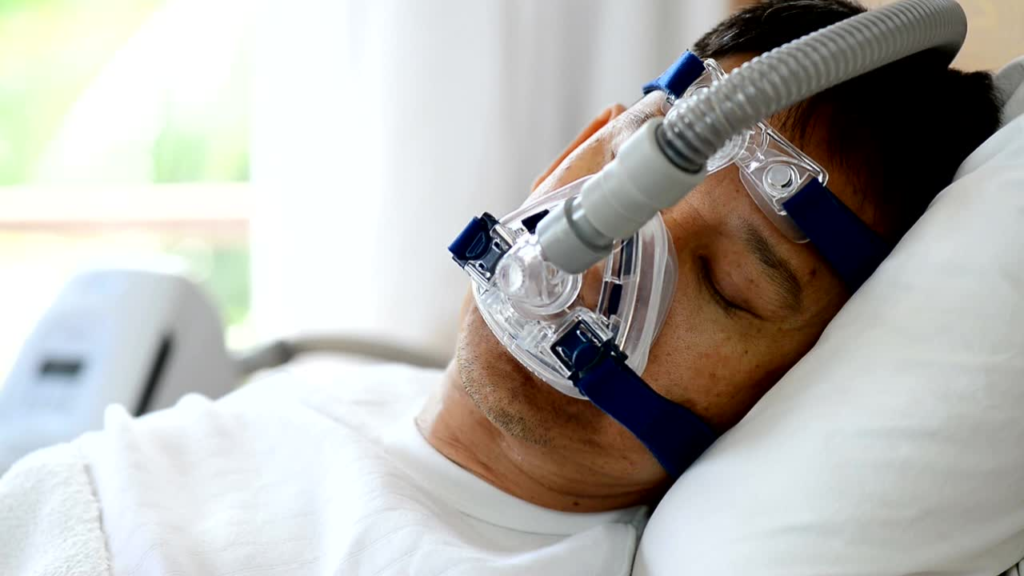
- Continuous positive airway pressure (CPAP)
- Other positive airway pressure devices
- Custom oral appliances
- Positional therapy
- Management of contributing health conditions
- Weight management when appropriate
- Surgery in selected cases
- Other specialized therapies for certain patients
CPAP is an established and highly effective treatment for obstructive sleep apnea when used as prescribed. Oral appliances can also be appropriate for selected adults, particularly when CPAP is not tolerated or an alternative is preferred.
Treatment should be individualized rather than based on a single symptom such as snoring.
Can Losing Weight Cure Sleep Apnea?
Weight management can be an important part of treating obstructive sleep apnea in people who are overweight or have obesity.
However, weight loss does not automatically eliminate sleep apnea. The underlying anatomy and other factors can continue to contribute to airway obstruction.
For this reason, people should not stop prescribed sleep apnea treatment simply because their weight has changed. Follow-up testing and medical guidance can help determine whether the condition has improved.
Can Sleep Apnea Go Away on Its Own?
It depends on the individual and the underlying cause.
Some factors contributing to obstructive sleep apnea can change, and certain treatments may substantially improve the condition. However, sleep apnea should not be assumed to have disappeared simply because symptoms become less noticeable.
A healthcare professional can determine whether additional testing or continued treatment is needed.
When Should You Talk to a Doctor?
Consider talking with a healthcare professional if you or someone who sleeps near you notices:
- Repeated breathing pauses during sleep
- Loud or disruptive snoring
- Choking or gasping during sleep
- Significant daytime sleepiness
- Persistent morning headaches
- Unrefreshing sleep despite adequate time in bed
- Difficulty staying alert during the day
Mayo Clinic specifically recommends medical evaluation when symptoms of sleep apnea are present or when a sleep problem leaves you very tired, sleepy, or irritable.
If you are extremely sleepy while driving or operating machinery, do not drive or operate machinery while drowsy. Daytime sleepiness associated with sleep apnea can increase accident risk.
Frequently Asked Questions
Is sleep apnea dangerous?
Sleep apnea can be a serious medical condition, particularly when it is untreated or associated with other health problems. It can disrupt sleep, cause excessive daytime sleepiness, and is associated with cardiovascular problems.
Can you have sleep apnea without snoring?
Yes. Snoring is common but is not required for a diagnosis of sleep apnea.
Can thin people have sleep apnea?
Yes. Excess body weight is an important risk factor for OSA, but people of any body size can develop sleep apnea.
Is sleep apnea only a problem in older adults?
No. Risk generally increases with age, but sleep apnea can occur in adults across different age groups.
Can snoring mean I have sleep apnea?
It can be a warning sign, but snoring alone does not establish a diagnosis. Breathing pauses, gasping, daytime sleepiness, and other symptoms make evaluation more important.
Is a home sleep test accurate?
Home testing can be useful for selected adults, but it has limitations. It does not provide all the information collected during an in-laboratory sleep study, and some people may need laboratory testing even after a home test.
What is the difference between sleep apnea and insomnia?
Sleep apnea is primarily a breathing-related sleep disorder. Insomnia involves difficulty falling asleep, staying asleep, or getting adequate restorative sleep despite having the opportunity to sleep. A person can have both conditions.
How much sleep should adults get?
Sleep needs vary by age. The CDC recommends at least 7 hours for adults ages 18–60, 7–9 hours for adults ages 61–64, and 7–8 hours for adults 65 and older. However, getting enough hours does not necessarily mean sleep is healthy if a disorder such as sleep apnea repeatedly interrupts it.
The Bottom Line
Sleep apnea is a disorder in which breathing is repeatedly interrupted or reduced during sleep. The most common form, obstructive sleep apnea, occurs when the upper airway becomes narrowed or blocked. Central sleep apnea involves a problem with the signals that control breathing.
Loud snoring can be an important clue, but it does not tell you whether someone has sleep apnea. Breathing pauses, gasping, excessive daytime sleepiness, and unrefreshing sleep are also important signs.
Sleep apnea can be diagnosed through appropriate sleep testing and can be treated. If you suspect that you or someone you care about has sleep apnea, discussing the symptoms with a healthcare professional is a practical next step.
Medical disclaimer: This article is for educational purposes only and is not a substitute for diagnosis or medical advice. Sleep apnea requires appropriate clinical evaluation, especially when symptoms are significant or daytime sleepiness creates a safety concern.
Sources and Further Reading
- NCBI Bookshelf — Obstructive Sleep Apnea
- Cleveland Clinic — Sleep Apnea
- Mayo Clinic — Sleep Apnea: Symptoms and Causes
- CDC — About Sleep
- American Heart Association/Circulation Research — Obstructive Sleep Apnea: The Not-So-Silent Killer
- ATS Scholar — Endotypes of Obstructive Sleep Apnea