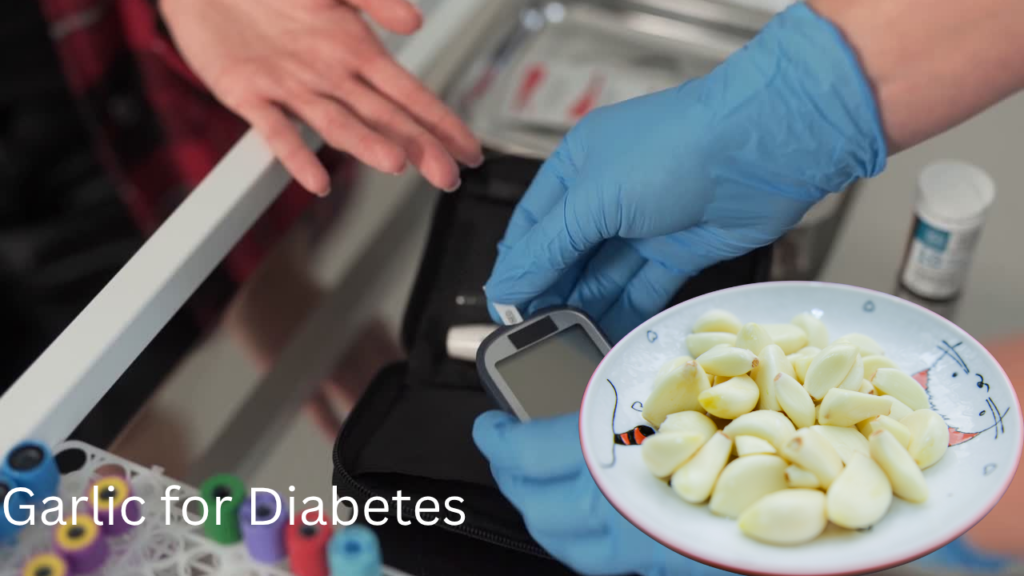
Garlic for Diabetes: What You Need to Know
Garlic is more than a flavorful ingredient. It contains naturally occurring sulfur compounds and other bioactive substances that have been studied for their potential effects on blood glucose and cardiovascular health.
This has led researchers to investigate whether garlic may have a role in diabetes management, particularly for people with type 2 diabetes.
The evidence is promising, but it needs to be interpreted carefully. Studies have used different forms and doses of garlic, and some research has important limitations. Garlic should therefore be viewed as a possible addition to a healthy eating pattern—not as a replacement for diabetes medication or medical care.
Recent systematic reviews and meta-analyses have reported improvements in fasting blood glucose and HbA1c among some adults using garlic preparations. However, researchers have also noted substantial differences between studies and concerns about study quality.
Can People With Diabetes Eat Garlic?
Yes. Garlic can generally be included in a diabetes-friendly eating pattern.
Garlic contains relatively little carbohydrate when used as a seasoning, so the small amounts normally added to meals are not comparable to carbohydrate-rich foods such as bread, rice, pasta, or sugary drinks.
The larger question is whether garlic itself can improve blood glucose control.
Research suggests that it may, particularly when garlic is consumed as a supplement or concentrated preparation. But the evidence is not strong enough to say that eating garlic alone treats diabetes.
The Centers for Disease Control and Prevention emphasizes overall healthy eating, appropriate portions, carbohydrate awareness, and individualized diabetes meal planning rather than relying on a single food.
What Does Research Say About Garlic and Blood Sugar?
Several clinical studies have investigated garlic supplementation in people with type 2 diabetes.
An earlier 2017 meta-analysis included nine randomized controlled trials involving 768 people with type 2 diabetes. The researchers reported reductions in fasting blood glucose and HbA1c among participants receiving garlic preparations. The studies used doses ranging from approximately 0.05 to 1.5 grams per day and lasted from several weeks to 24 weeks.
A 2024 systematic review and meta-analysis examined 22 randomized controlled trials involving adults and found that garlic interventions were associated with improvements in fasting blood glucose and HbA1c, as well as several cholesterol measures. However, the studies used different garlic preparations, including raw garlic, aged garlic extract, and garlic powder tablets.
More recently, a 2026 systematic review and meta-analysis specifically evaluated garlic supplementation in people with type 2 diabetes. It included eight randomized clinical trials. The pooled analysis found reductions in fasting blood glucose and HbA1c, but the authors emphasized that the included studies were generally low quality and that additional high-quality randomized trials are needed.
What does this mean?
The evidence is encouraging but not conclusive.
A useful way to interpret the research is:
| Finding | Current evidence |
|---|---|
| Garlic may reduce fasting blood glucose | Promising |
| Garlic may reduce HbA1c | Promising but limited |
| Garlic may improve some cholesterol measures | Possible |
| Garlic treats or cures diabetes | Not established |
| Garlic can replace diabetes medication | Not supported |
| Eating ordinary amounts of garlic has the same effect as supplements | Not established |
Garlic and HbA1c
HbA1c is a blood test that gives an estimate of average blood glucose over roughly the previous two to three months.
This makes HbA1c particularly useful when evaluating whether an intervention has had a sustained effect on blood sugar.
The 2026 meta-analysis reported an average HbA1c reduction of about 0.5 percentage points among the included type 2 diabetes trials. However, the analysis also showed very high statistical heterogeneity between studies, meaning the results varied substantially. The authors therefore cautioned against interpreting the finding as definitive evidence of a treatment effect.
The 2024 meta-analysis similarly found a statistically significant reduction in HbA1c, but it also included different garlic products and study protocols.
Bottom line: Garlic may have an effect on HbA1c, but more rigorous research is needed to determine how consistent and clinically meaningful that effect is.
Why Might Garlic Affect Blood Sugar?
Researchers have proposed several possible mechanisms.
Garlic contains compounds such as allicin, alliin, and S-allyl cysteine. These compounds have been investigated for their biological effects.
Laboratory and animal research suggests that certain garlic compounds may influence pathways involved in glucose metabolism, insulin signaling, oxidative stress, and lipid metabolism.
Some experimental research has also suggested that garlic compounds may influence insulin secretion or insulin sensitivity.
However, there is an important distinction:
A biological mechanism observed in laboratory or animal research does not automatically mean the same effect occurs in people.
Human clinical trials provide more relevant evidence for dietary decisions, and those trials remain relatively limited.
Garlic, Insulin Sensitivity, and Diabetes
Insulin helps move glucose from the bloodstream into cells where it can be used for energy.
In type 2 diabetes, the body may become less responsive to insulin. This is known as insulin resistance.
Researchers have proposed that garlic’s sulfur-containing compounds may influence pathways related to insulin sensitivity.
The evidence for these mechanisms is stronger in experimental research than in large, high-quality human clinical trials. Therefore, it is reasonable to describe improved insulin sensitivity as a potential mechanism under investigation, rather than an established effect of eating garlic.
Does Garlic Lower Cholesterol in People With Diabetes?
Garlic has also been studied for its potential effects on blood lipids.
The 2026 meta-analysis found a significant reduction in total cholesterol among people with type 2 diabetes receiving garlic therapy. Overall changes in LDL cholesterol, HDL cholesterol, and triglycerides were not statistically significant. Some subgroup analyses suggested additional effects when garlic was used alongside oral glucose-lowering medicines, but these findings should be interpreted cautiously because the analyses had substantial heterogeneity.
The 2024 systematic review also reported improvements in several lipid measures across its broader group of randomized trials.
This is relevant because diabetes and cardiovascular risk often overlap.
However, garlic should not be considered a substitute for cholesterol-lowering medication when medication has been recommended.
Fresh Garlic vs. Garlic Supplements
One of the most important limitations in the research is that garlic is not one standardized intervention.
Studies have used:
- Fresh garlic
- Garlic powder
- Garlic tablets
- Garlic extracts
- Aged garlic extract
- Other concentrated garlic preparations
The amount of active compounds can differ substantially between products.
For example, the 2026 review included studies using garlic doses ranging from 50 to 1,500 mg per day, with interventions lasting four to 24 weeks.
That does not mean that someone should automatically take 1,500 mg of garlic daily.
A dose used in a clinical trial is not necessarily an appropriate dose for an individual.
It is also difficult to determine whether the results from concentrated supplements apply directly to the amount of garlic normally used in cooking.
How to Add Garlic to a Diabetes-Friendly Diet
For most people, one of the simplest approaches is to use garlic as a flavorful ingredient in balanced meals.
Try adding garlic to:
- Roasted vegetables
- Beans and lentils
- Soups and stews
- Fish or lean poultry
- Eggs
- Salads
- Homemade sauces
- Whole-grain dishes
- Vegetable-based meals
Garlic can make meals more flavorful without requiring large amounts of added sugar.
This matters because a healthy diabetes eating pattern focuses on the overall meal, not a single ingredient. The CDC provides guidance on portion sizes, carbohydrate choices, meal planning, and other aspects of eating well with diabetes.
A practical meal example
Instead of focusing on garlic alone, consider a balanced meal such as:
Garlic-seasoned vegetables + beans or another protein source + a high-fiber carbohydrate + a modest portion of healthy fat.
This approach is more consistent with evidence-based diabetes nutrition than trying to use garlic as a stand-alone remedy.
Should You Eat Raw Garlic for Diabetes?
Raw garlic contains compounds that have attracted scientific interest, but more is not necessarily better.
Raw garlic can be particularly strong and may cause digestive symptoms in some people.
Reported side effects include:
- Heartburn
- Gas
- Nausea
- Abdominal discomfort
- Vomiting
- Diarrhea
- Strong breath or body odor
Diabetes Care Community notes that digestive symptoms can be more noticeable with raw garlic and advises caution with large amounts, particularly for people taking blood-thinning medication.
There is currently no strong evidence that people with diabetes need to eat large quantities of raw garlic to obtain a blood-sugar benefit.
Can Garlic Cause Low Blood Sugar?
Garlic may have glucose-lowering effects in some research, but the clinical significance of this effect is not fully established.
If you take medication that lowers blood glucose, adding a concentrated garlic supplement could potentially complicate blood glucose management.
For this reason, people taking diabetes medication should discuss concentrated garlic supplements with their healthcare professional rather than assuming that a supplement is automatically harmless because garlic is a food.
Do not reduce or stop prescribed diabetes medication because you are eating garlic.
Garlic and Blood-Thinning Medication
Garlic may affect blood clotting, particularly when consumed in concentrated supplement forms.
This is especially important for people taking anticoagulant or antiplatelet medicines or people preparing for surgery.
If you take blood-thinning medication or are scheduled for surgery, ask your healthcare professional whether a garlic supplement is appropriate.
This concern is different from simply using a normal amount of garlic in cooking.
Garlic for Type 1 Diabetes
Most of the clinical evidence discussed in the major meta-analyses focuses on type 2 diabetes.
Therefore, findings from these studies should not automatically be applied to people with type 1 diabetes.
People with type 1 diabetes require individualized insulin management and glucose monitoring. Garlic may be part of a healthy diet, but it should not be considered a treatment for type 1 diabetes.
Can Garlic Prevent Diabetes?
It is too early to conclude that eating garlic prevents diabetes.
Some laboratory, animal, observational, and clinical research has investigated garlic and metabolic health, but prevention of type 2 diabetes involves many factors.
These include:
- Overall dietary pattern
- Physical activity
- Body weight and body composition
- Sleep
- Family history
- Age
- Other health conditions
- Medication use
A single food cannot compensate for an overall unhealthy dietary pattern or lifestyle.
Garlic for Diabetes: What Is Established and What Is Not?
It is important to separate promising research from proven treatment.
Relatively well established
- Garlic is a nutritious flavoring ingredient that can fit into a healthy eating pattern.
- Garlic contains bioactive sulfur compounds.
- Garlic has been investigated in human clinical trials involving blood glucose and blood lipids.
- Some meta-analyses have found improvements in fasting blood glucose and HbA1c.
Still uncertain
- The ideal amount of garlic for blood glucose management
- Whether fresh garlic provides the same effects as concentrated supplements
- Which garlic preparation is most effective
- How long supplementation should continue
- Whether the effects are clinically meaningful for all people with type 2 diabetes
- Whether garlic produces meaningful reductions in diabetes complications
- How garlic interacts with different diabetes medications in everyday clinical practice
The 2026 systematic review is particularly important because, despite finding statistically significant improvements, its authors rated the underlying evidence as limited because of the quality of the available studies.
Frequently Asked Questions About Garlic and Diabetes
Is garlic good for people with diabetes?
Garlic can be part of a healthy diet for people with diabetes. Research also suggests that garlic preparations may improve some blood glucose measures, particularly in type 2 diabetes. However, garlic is not established as a treatment or cure for diabetes.
Does garlic lower blood sugar?
Some randomized clinical trials and meta-analyses suggest that garlic supplementation can lower fasting blood glucose. The evidence is promising but inconsistent, and many studies have methodological limitations.
Can garlic lower HbA1c?
Research suggests that garlic supplementation may reduce HbA1c in people with type 2 diabetes. A 2026 meta-analysis reported an average reduction of approximately 0.5 percentage points, but the authors emphasized the low quality and substantial variation among the included studies.
How much garlic should someone with diabetes eat?
There is no scientifically established daily amount of fresh garlic specifically required to control diabetes. Clinical studies have used different doses and different garlic preparations, so supplement doses should not simply be translated into a recommended food dose.
Is raw garlic better than cooked garlic for diabetes?
There is not enough clinical evidence to say that raw garlic is better than cooked garlic for diabetes management. Raw garlic may also cause more digestive discomfort in some people.
Can garlic replace metformin or insulin?
No. Garlic should not replace prescribed diabetes medication. The available evidence does not establish garlic as an alternative to standard diabetes treatment.
Can I take garlic supplements if I have diabetes?
Some people may be able to use garlic supplements safely, but concentrated supplements can interact with medications or increase certain risks. Discuss supplementation with a healthcare professional, especially if you take glucose-lowering or blood-thinning medication.
Can people with diabetes eat garlic every day?
Garlic can generally be used regularly as a food ingredient if it is well tolerated. The evidence does not establish that taking large amounts every day provides additional diabetes benefits.
The Bottom Line
Garlic is an interesting food for diabetes research, but it should not be presented as a miracle remedy.
Clinical research suggests that garlic supplementation may help reduce fasting blood glucose and HbA1c in some people with type 2 diabetes. Several systematic reviews have reported potentially beneficial effects, but the studies differ considerably in garlic preparation, dosage, duration, and quality.
The strongest practical takeaway is simpler: garlic can be a useful, flavorful part of a balanced diabetes-friendly diet, but it should complement—not replace—evidence-based diabetes care.
If you have diabetes and are considering concentrated garlic supplements, especially if you take diabetes medication, anticoagulants, or antiplatelet medication, discuss the decision with your healthcare professional.
Medical disclaimer: This article is for educational purposes only. It does not diagnose, treat, or cure diabetes and should not replace individualized medical advice.
References
- Zhao X, Cheng T, Xia H, et al. Effects of Garlic on Glucose Parameters and Lipid Profile: A Systematic Review and Meta-Analysis on Randomized Controlled Trials. Nutrients. 2024.
- Wang J, Zhang X, Lan H, et al. Effect of garlic supplement in the management of type 2 diabetes mellitus (T2DM): a meta-analysis of randomized controlled trials. Food & Nutrition Research. 2017.
- Ebrahimzadeh A, Safargar M, Rajabzadeh-Dehkordi M, et al. The Therapeutic Effect of Garlic Supplements on the Metabolic Profile of Patients With Type 2 Diabetes: A Systematic Review and Meta-Analysis of Randomized Clinical Trials. Nutrition and Metabolic Insights. 2026.
- Antidiabetic Effect of Garlic. Revista Brasileira de Farmacognosia.
- Diabetes Care Community. The Power of Garlic When You Have Diabetes.
- Centers for Disease Control and Prevention. Healthy Eating.
- Centers for Disease Control and Prevention. Diabetes.