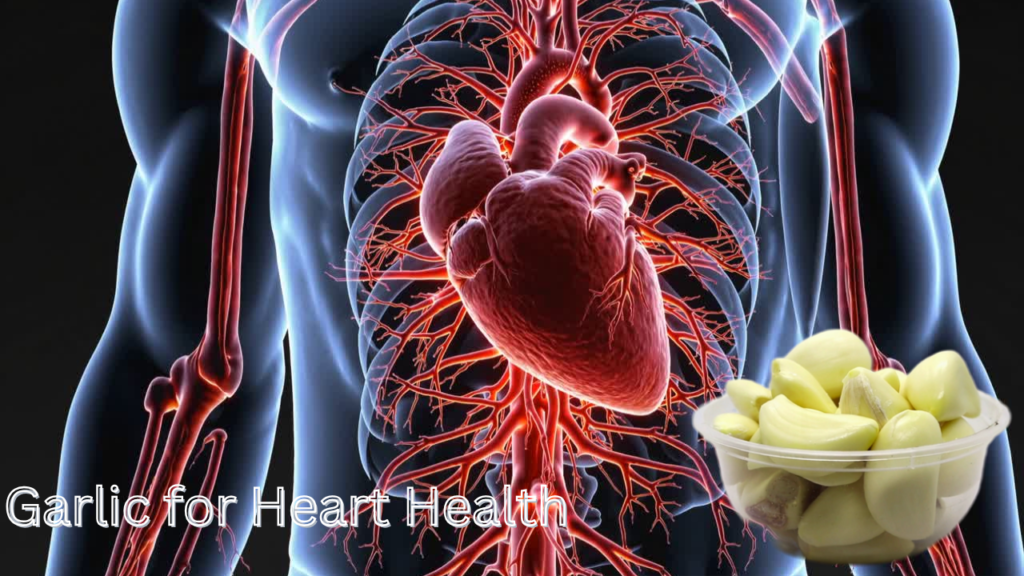
Garlic for Heart Health: An Evidence-Based Look
Garlic has been used as both a food and traditional remedy for centuries. Today, researchers are interested in whether compounds in garlic may influence cardiovascular risk factors such as blood pressure and cholesterol.
The evidence is promising in some areas, particularly for certain garlic supplements. However, it is important to distinguish research on concentrated garlic preparations from the effects of simply adding garlic to meals.
Garlic should be viewed as part of an overall heart-healthy eating pattern—not as a replacement for prescribed treatment or proven lifestyle measures.
Why Is Garlic Being Studied for Heart Health?
Garlic (Allium sativum) contains sulfur-containing compounds and other bioactive substances. One of the best-known compounds is allicin, which can form when fresh garlic is chopped, crushed, or otherwise damaged.
Researchers have investigated garlic for several cardiovascular-related effects, including its possible influence on:
- Blood pressure
- Cholesterol levels
- Blood vessel function
- Arterial stiffness
- Oxidative stress
- Inflammation
- Some markers associated with atherosclerosis
A 2016 review in The Journal of Nutrition examined human studies of garlic supplementation and cardiovascular risk factors. The review reported potential benefits involving blood pressure, total cholesterol, and several cardiovascular markers, while also noting the need for larger studies.
A later systematic review similarly found evidence of improvements in several cardiovascular risk factors, although the studies used different garlic preparations and varied in design.
1. Garlic and Blood Pressure
High blood pressure is one of the major risk factors for heart disease and stroke. Because of this, researchers have studied whether garlic supplements can influence blood pressure.
A meta-analysis of randomized controlled trials involving adults with hypertension found that garlic supplementation was associated with reductions in both systolic and diastolic blood pressure. The analysis included 12 trials involving 553 adults for systolic blood pressure.
However, these findings should be interpreted carefully.
The studies generally involved garlic supplements or specific garlic preparations, rather than ordinary amounts of garlic used in cooking. The American Heart Association has also pointed out that some of the effects seen in research occur with relatively high supplemental doses and should not automatically be assumed to occur from eating a few cloves with a meal.
The National Center for Complementary and Integrative Health (NCCIH) describes the evidence more cautiously, stating that garlic supplements may reduce blood pressure by a small amount in people with high blood pressure.
What this means
Garlic may have a role in supporting healthy blood pressure, particularly in certain supplemental forms. But it should not be considered a substitute for blood-pressure medication when medication has been prescribed.
2. Garlic and Cholesterol
High LDL cholesterol can contribute to plaque buildup in the arteries. Because cholesterol management is an important part of cardiovascular prevention, garlic’s effects on blood lipids have received considerable research attention.
NCCIH reports that garlic supplements may modestly reduce total cholesterol and LDL cholesterol in people with high cholesterol.
A systematic review of garlic’s cardiovascular effects also reported reductions in LDL cholesterol, non-HDL cholesterol, total cholesterol, and triglycerides in some studies.
However, results are not perfectly consistent.
The British Heart Foundation notes that research into garlic’s effects on cholesterol and blood pressure has been mixed and that the evidence is not strong enough to make specific recommendations to use garlic as a treatment.
Important distinction
Eating garlic as part of a balanced diet is different from taking a concentrated garlic supplement.
A supplement can provide a much larger and more standardized amount of certain garlic compounds than ordinary culinary use.
3. Could Garlic Support Healthy Blood Vessels?
Researchers have also studied garlic in relation to vascular function.
Blood vessels need to remain flexible and responsive so that blood can circulate effectively. With aging and certain cardiovascular risk factors, arteries can become stiffer.
Some clinical research involving aged garlic extract has reported improvements in measures such as arterial stiffness and other markers of vascular function.
These findings are interesting, but they do not prove that eating garlic prevents heart attacks, strokes, or other cardiovascular events.
Measures such as arterial stiffness and coronary artery calcium are useful research outcomes, but they are not the same as demonstrating fewer heart attacks or longer life.
Evidence level: Promising but still developing.
4. Garlic, Oxidative Stress, and Inflammation
Garlic contains compounds with antioxidant and anti-inflammatory activity. Laboratory and animal research has provided several possible explanations for how garlic compounds could affect cardiovascular processes.
Some human studies have also examined inflammatory markers and other biological measures.
For example, the cardiovascular literature has investigated garlic in relation to C-reactive protein, vascular function, and oxidative processes.
However, laboratory findings should not automatically be interpreted as proof of a clinical benefit in humans.
An antioxidant effect observed in a laboratory experiment does not necessarily mean that eating garlic will prevent cardiovascular disease.
5. What Is Aged Garlic Extract?
Aged garlic extract (AGE) is a specialized garlic preparation that is produced through a controlled aging process.
It is different from fresh garlic.
During processing, the chemical profile of garlic changes, and compounds such as S-allyl cysteine become important components of the extract.
A number of clinical studies examining cardiovascular effects have used aged garlic extract. Some have reported improvements in blood pressure, arterial stiffness, and other cardiovascular markers.
This distinction matters because research findings from aged garlic extract cannot automatically be applied to fresh garlic, garlic powder, garlic oil, or every garlic supplement.
Garlic preparations are not interchangeable
| Garlic form | What to know |
|---|---|
| Fresh garlic | Primarily a culinary food; contains sulfur compounds |
| Raw crushed garlic | Crushing activates enzymes involved in producing allicin |
| Garlic powder | Used in some clinical studies, but products vary |
| Aged garlic extract | A specialized preparation studied in several cardiovascular trials |
| Garlic oil | Chemically different from many water-based garlic preparations |
| Garlic supplements | Formulations and amounts vary considerably |
This variation is one reason it can be difficult to determine a single “effective dose” of garlic for heart health.
6. Does Eating Garlic Prevent Heart Disease?
This is where it is important not to overstate the evidence.
Research suggests that certain garlic preparations may improve cardiovascular risk factors, including blood pressure and cholesterol.
That does not necessarily mean garlic itself has been proven to prevent heart attacks or strokes.
The 2016 Journal of Nutrition review concluded that garlic supplementation had potential cardiovascular benefits based on risk-factor changes and certain surrogate markers, while emphasizing the need for larger studies.
The American Heart Association similarly recommends viewing garlic as one component of healthy dietary patterns rather than treating it as a stand-alone cardiovascular therapy.
Bottom line: Garlic is promising, but the evidence does not justify claiming that garlic alone prevents or treats heart disease.
7. Garlic May Make Heart-Healthy Food More Enjoyable
There is another practical benefit to garlic that does not require making a medical claim.
Garlic adds strong flavor without needing large amounts of salt or added sugar.
The British Heart Foundation notes that herbs and spices can make healthy meals more interesting and may help people use less salt and sugar when cooking.
Try adding garlic to:
- Roasted vegetables
- Beans and lentils
- Whole-grain dishes
- Soups
- Tomato-based sauces
- Fish
- Chicken
- Salads and dressings
- Homemade hummus
- Vegetable-based meals
This fits naturally into an overall heart-healthy eating pattern.
8. Garlic Alone Is Not a Heart-Healthy Diet
It is easy to focus on one “superfood,” but cardiovascular health depends on the overall pattern of eating and living.
Current public-health guidance emphasizes habits such as:
- Eating a variety of nutrient-rich foods
- Eating more vegetables and fruits
- Choosing foods rich in fiber
- Limiting excess sodium
- Limiting saturated fat
- Being physically active
- Maintaining a healthy weight
- Not smoking
- Managing blood pressure and cholesterol
The CDC identifies healthy eating, physical activity, healthy weight management, and avoiding smoking as important strategies for reducing cardiovascular risk.
Garlic can fit comfortably into that bigger picture.
9. Fresh Garlic vs. Garlic Supplements
One of the most important points for consumers is that food garlic and garlic supplements are not the same thing.
Most cardiovascular research has examined specific preparations, doses, and standardized products.
Therefore, a study showing a particular effect from an aged garlic extract does not mean that eating the same number of fresh garlic cloves will produce the same result.
Likewise, two supplements labeled “garlic extract” may not contain identical amounts or types of active compounds.
This is an important reason to avoid assuming that more garlic automatically means more cardiovascular benefit.
10. Is Garlic Safe?
Garlic is generally considered safe when consumed in the amounts normally found in food.
However, larger supplemental amounts can cause side effects or interact with medications.
Reported side effects can include:
- Bad breath
- Body odor
- Abdominal discomfort
- Gas
- Nausea
- Heartburn or digestive upset
- Allergic reactions in some people
NCCIH also warns that garlic supplements may increase the risk of bleeding and can interact with medications that affect bleeding. People taking anticoagulants or aspirin should discuss garlic supplements with a healthcare professional.
This is particularly important before surgery or other medical procedures.
Food amounts vs. supplement amounts
There is an important safety distinction between using garlic as a food and taking concentrated supplements.
If you regularly use garlic supplements, tell your doctor, pharmacist, dentist, or other healthcare professional about them.
11. Can Garlic Replace Blood Pressure or Cholesterol Medication?
No.
Even when research finds that garlic supplements can influence blood pressure or cholesterol, that does not make garlic a replacement for prescribed medication.
People with high blood pressure or high cholesterol should follow their healthcare professional’s treatment plan.
Garlic can be included as part of a healthy diet, but it should not be used to discontinue or reduce medication without medical guidance.
The CDC notes that some people with high blood pressure need medication in addition to lifestyle changes.
12. How Much Garlic Should You Eat for Heart Health?
There is no universally established daily dose of fresh garlic specifically proven to prevent heart disease.
This is an important distinction because research studies use different preparations and amounts.
Some clinical trials have examined garlic powder, while others have investigated aged garlic extract or other standardized preparations. Results from one preparation cannot automatically be applied to another.
For everyday cooking, the practical approach is to use garlic as a flavorful ingredient in a varied, nutrient-rich diet rather than trying to consume very large quantities.
13. Who Should Be Careful With Garlic Supplements?
Talk with a healthcare professional before using concentrated garlic supplements if you:
- Take blood thinners or other medicines that affect bleeding
- Take aspirin regularly
- Are preparing for surgery or a medical procedure
- Take several prescription medications
- Have experienced an allergic reaction to garlic
- Are pregnant or breastfeeding and considering amounts greater than those normally found in food
NCCIH specifically advises discussing garlic supplements with healthcare providers because of potential medication interactions and bleeding concerns.
What Does the Evidence Actually Show?
| Potential heart-health effect | Current evidence | What it means |
|---|---|---|
| Blood pressure | Promising | Some garlic supplements have lowered blood pressure in clinical trials, particularly among people with hypertension |
| Total cholesterol | Moderately promising | Some studies show modest reductions |
| LDL cholesterol | Mixed to promising | Results vary among studies and preparations |
| Arterial stiffness | Promising but limited | Some studies of aged garlic extract report improvements |
| Inflammation | Preliminary | Some studies report changes in inflammatory markers |
| Prevention of heart attacks | Not established | Risk-factor improvements do not prove fewer heart attacks |
| Prevention of stroke | Not established | More clinical outcome research is needed |
| Garlic as a replacement for medication | Not supported | Garlic should not replace prescribed treatment |
The overall evidence supports continued research, but it does not justify presenting garlic as a cure or guaranteed prevention strategy.
Frequently Asked Questions
Is garlic good for your heart?
Garlic can be part of a heart-healthy diet. Research on garlic supplements suggests possible benefits for cardiovascular risk factors such as blood pressure and cholesterol, but the strength of evidence varies.
Can garlic lower blood pressure?
Some garlic supplements have lowered blood pressure in clinical trials involving people with hypertension. However, evidence is more limited for ordinary dietary garlic, and garlic should not replace prescribed blood-pressure treatment.
Can garlic lower cholesterol?
Garlic supplements may modestly reduce total and LDL cholesterol in some people with elevated cholesterol. Results vary depending on the preparation and study.
Is raw garlic better for the heart than cooked garlic?
Raw and cooked garlic have different chemical profiles, but there is not enough clinical evidence to say that raw garlic is definitively better for preventing heart disease. Much of the cardiovascular research has involved specific supplements rather than ordinary cooking methods.
Is aged garlic extract the same as fresh garlic?
No. Aged garlic extract undergoes a controlled aging process that changes its chemical composition. Findings from studies of aged garlic extract should not automatically be applied to fresh garlic.
Can I take garlic supplements with blood thinners?
Garlic supplements may increase bleeding risk and can interact with medicines that affect bleeding. If you take an anticoagulant, aspirin, or similar medication, speak with a healthcare professional before using a garlic supplement.
How much garlic should I eat every day?
There is no established daily amount of fresh garlic proven to prevent heart disease. Garlic can simply be used as a flavorful ingredient in a balanced diet.
Does garlic prevent heart attacks?
There is not enough evidence to claim that eating garlic prevents heart attacks. Research has mainly examined cardiovascular risk factors and surrogate markers rather than proving a reduction in cardiovascular events.
The Bottom Line
Garlic is an inexpensive and flavorful food that can have a place in a heart-healthy diet.
Research on garlic supplements, particularly certain aged garlic preparations, suggests possible benefits for blood pressure, cholesterol, arterial stiffness, and other cardiovascular risk factors. However, the evidence is not strong enough to describe garlic as a treatment or cure for heart disease.
For most people, the simplest approach is to enjoy garlic as part of meals built around vegetables, fruits, whole grains, legumes, lean proteins, and other nutritious foods.
If you have high blood pressure, high cholesterol, diabetes, or cardiovascular disease, garlic can complement a healthy lifestyle—but it should not replace medical care, prescribed medication, or recommended screening.
SUNDRG HEALTH takeaway: Garlic may be a useful part of a heart-conscious eating pattern, but the strongest approach to cardiovascular health is not one “superfood.” It is the combination of a nutritious diet, regular physical activity, healthy weight management, avoiding tobacco, and appropriate medical care.
Sources:
- National Center for Complementary and Integrative Health — Garlic: Usefulness and Safety
- PubMed — Garlic: A systematic review of the effects on cardiovascular diseases
- PubMed — Garlic and Heart Disease
- PMC — Garlic lowers blood pressure in hypertensive subjects, improves arterial stiffness and gut microbiota
- PMC — Effect of garlic on cardiovascular disorders: a review
- American Heart Association — Sorting folklore from fact on the health benefits of garlic
- British Heart Foundation — Health benefits of herbs and spices
- CDC — Preventing High Blood Pressure