The Complete Guide to Heart Health
Your heart works continuously to deliver oxygen and nutrients throughout your body. Keeping it healthy involves more than simply exercising or avoiding certain foods.
Heart health is influenced by several connected factors, including nutrition, physical activity, blood pressure, cholesterol, blood glucose, body weight, sleep, nicotine exposure, family history, age, and other health conditions.
The good news is that many heart disease risk factors can be addressed through lifestyle changes and appropriate medical care.
This guide explains the foundations of heart health, what you can do in everyday life, and when it is important to speak with a healthcare professional.
Important: This article is for education and general health information. It does not diagnose, treat, or replace individualized medical advice.
What Is Heart Health?
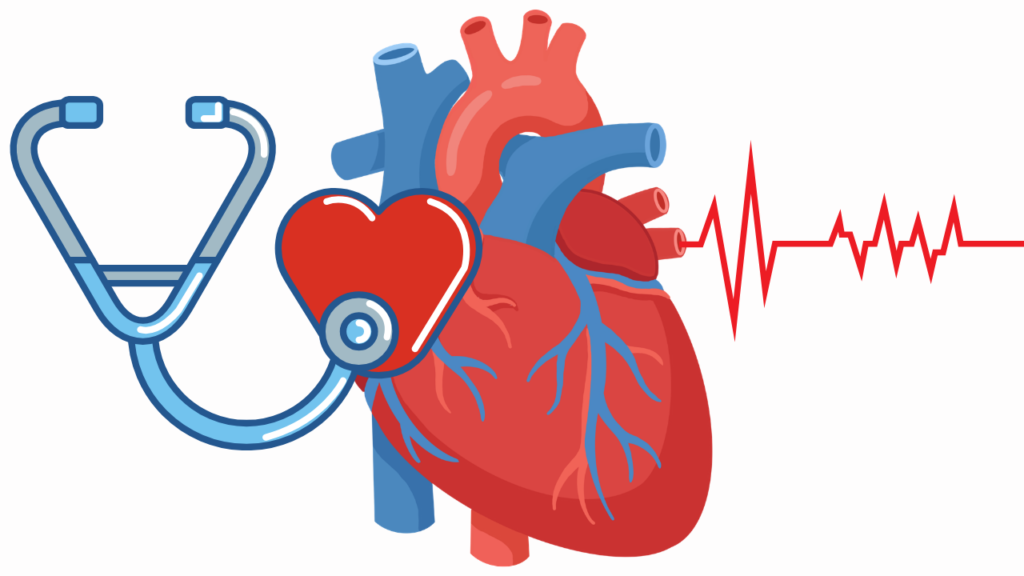
Heart health, also called cardiovascular health, refers to how well the heart and blood vessels function and how effectively major risk factors for cardiovascular disease are controlled.
The cardiovascular system includes the heart and a network of blood vessels that transport blood throughout the body.
Heart health is not determined by one measurement. Instead, it reflects a combination of health behaviors and health factors.
The American Heart Association’s Life’s Essential 8 framework includes:
- Eating better
- Being physically active
- Avoiding nicotine exposure
- Getting adequate sleep
- Maintaining a healthy weight
- Managing blood cholesterol
- Managing blood glucose
- Managing blood pressure
These factors provide a useful framework for thinking about cardiovascular health across the lifespan.
Source URL: American Heart Association — Life’s Essential 8
Why Heart Health Matters
Heart disease develops through a combination of factors rather than a single cause.
Some risk factors cannot be changed. These include age, family history, and certain inherited characteristics.
Other factors are modifiable. These include smoking, physical inactivity, unhealthy eating patterns, high blood pressure, high cholesterol, diabetes, and excess body weight.
The more risk factors a person has, the greater their overall risk may be. However, having a risk factor does not mean that someone will definitely develop heart disease.
Source URLs:
CDC — Heart Disease Risk Factors
NHLBI — Understand Your Risk for Heart Diseas
What Are the Major Risk Factors for Heart Disease?
Important risk factors include:
| Risk factor | Why it matters |
|---|---|
| High blood pressure | Can damage blood vessels and increase cardiovascular risk |
| High cholesterol | Can contribute to plaque buildup in arteries |
| Smoking and nicotine exposure | Can damage blood vessels and increase cardiovascular risk |
| Diabetes | Can damage blood vessels and increase cardiovascular risk |
| Physical inactivity | Can contribute to several cardiovascular risk factors |
| Overweight or obesity | Can increase the likelihood of high blood pressure, diabetes, and abnormal cholesterol |
| Unhealthy diet | Can contribute to high blood pressure, unhealthy cholesterol levels, and excess weight |
| Excessive alcohol use | Can contribute to high blood pressure and other cardiovascular risks |
| Family history | Can increase inherited risk |
| Increasing age | Cardiovascular risk generally increases with age |
Some factors overlap. For example, physical inactivity can contribute to excess weight, high blood pressure, abnormal cholesterol, and diabetes.
Source URLs:
CDC — Heart Disease Risk Factors
NHLBI — Heart-Healthy Living: Understand Your Risk
1. Eat for Better Heart Health

A heart-healthy diet is not about finding one magical food.
It is about your overall eating pattern.
The American Heart Association recommends emphasizing foods such as vegetables, fruits, whole grains, beans and other legumes, nuts, seeds, fish, and lean or plant-based protein sources. It also recommends choosing healthier unsaturated fats and limiting foods high in saturated fat, sodium, added sugars, and highly processed ingredients.
Foods to Include More Often
Consider building meals around:
- Vegetables
- Fruits
- Whole grains
- Beans and lentils
- Nuts and seeds
- Fish and seafood
- Lean protein sources
- Lower-fat dairy products when appropriate
- Unsaturated plant oils such as olive or canola oil
- Water and other unsweetened beverages
Foods to Limit
Depending on your individual health needs, consider limiting:
- Highly processed foods
- Processed meats
- Foods high in saturated fat
- Foods high in sodium
- Sugar-sweetened beverages
- Excessive added sugars
- Excessive alcohol
A heart-healthy eating pattern does not require eliminating an entire food group. The overall pattern matters more than any single meal or ingredient.
Source URLs:
American Heart Association — Eat Better
CDC — Preventing Heart Disease
2. Eat More Fiber-Rich Foods
Fiber is found naturally in foods such as vegetables, fruits, beans, lentils, whole grains, nuts, and seeds.
Rather than relying on supplements, it is generally preferable to obtain fiber from a varied diet.
Foods rich in fiber can be incorporated into meals in simple ways:
- Add berries or another fruit to breakfast.
- Choose oatmeal or another whole grain.
- Add beans or lentils to soups and salads.
- Include vegetables with lunch and dinner.
- Choose nuts or seeds as part of a balanced snack.
The cardiovascular benefits of individual foods can vary, and research should not be interpreted as meaning that one food can prevent or reverse heart disease.
Evidence note: The strongest evidence generally supports healthy overall dietary patterns rather than individual “superfoods.”
Source URL: CDC — Preventing Heart Disease
3. Pay Attention to Sodium
Too much sodium can contribute to elevated blood pressure.
Because many people consume sodium through packaged, prepared, and restaurant foods, reducing sodium may involve more than simply removing the salt shaker from the table.
Practical strategies include:
- Read nutrition labels.
- Compare sodium levels between similar products.
- Choose fresh or minimally processed foods more often.
- Use herbs, spices, garlic, lemon, or other seasonings instead of relying heavily on salt.
- Limit highly processed foods when possible.
People with hypertension or other medical conditions may have specific sodium recommendations from their healthcare professional.
Source URL: CDC — Preventing Heart Disease
4. Be Physically Active
Regular physical activity supports cardiovascular health and can improve several risk factors.
Physical activity can help lower blood pressure and triglycerides, support healthy weight management, and improve blood sugar regulation.
For many adults, a useful general target is at least 150 minutes of moderate-intensity physical activity per week, or 75 minutes of vigorous activity, with additional activity providing further benefits.
Examples of moderate activity include:
- Brisk walking
- Cycling
- Swimming
- Dancing
- Some forms of active household or recreational activity
You do not have to complete all your activity in one session.
Breaking movement into smaller periods throughout the day can make regular activity more manageable.
Source URLs:
NHLBI — Physical Activity and Your Heart
CDC — Preventing Heart Disease
5. Reduce Long Periods of Sitting
Exercise is important, but daily movement also matters.
If you spend much of the day sitting, look for opportunities to move more often.
Try:
- Taking short walking breaks.
- Standing during phone calls.
- Walking while running errands when practical.
- Taking the stairs when appropriate.
- Stretching or moving between periods of computer work.
- Going for a short walk after meals.
These small changes can make an otherwise sedentary day more active.
Evidence note: Research continues to examine the independent effects of sedentary behavior and how they interact with structured exercise. It is reasonable to view reducing prolonged sitting as part of an overall active lifestyle rather than as a substitute for exercise.
Source URL: American Heart Association — Healthy for Good
6. Know Your Blood Pressure
Blood pressure measures the force of blood against the walls of your arteries.
When blood pressure remains too high, it can place additional stress on the cardiovascular system.
One challenge is that high blood pressure often produces no obvious symptoms.
That is why checking blood pressure is an important part of preventive health care.
Your healthcare professional can help determine:
- How often you should have your blood pressure checked.
- Whether your readings are within a healthy range.
- Whether lifestyle changes are appropriate.
- Whether medication is needed.
Do not diagnose hypertension from a single home reading without appropriate medical guidance.
Source URL: CDC — Preventing Heart Disease
7. Understand Cholesterol
Cholesterol is a waxy substance that your body needs for important functions.
However, abnormal blood lipid levels can contribute to cardiovascular disease.
A cholesterol test, often called a lipid panel, may measure several substances, including LDL cholesterol, HDL cholesterol, and triglycerides.
The meaning of your results depends on your overall cardiovascular risk.
For that reason, it is better to discuss your results with a healthcare professional rather than focusing on one number in isolation.
Lifestyle changes may be recommended, and some people also need medication to manage cholesterol.
Source URL: CDC — Preventing Heart Disease
8. Keep Blood Sugar in a Healthy Range
Blood glucose is another important cardiovascular health factor.
Diabetes and prediabetes are associated with increased cardiovascular risk.
Healthy eating, regular physical activity, appropriate weight management, and medical treatment when needed can help manage blood glucose.
If you have diabetes or prediabetes, work with your healthcare team to establish an appropriate blood glucose management plan.
Source URLs:
American Heart Association — Life’s Essential 8
CDC — Preventing Heart Disease
9. Avoid Smoking and Nicotine Exposure
Smoking is a major cardiovascular risk factor.
Cigarette smoke can damage blood vessels and increase cardiovascular risk. Nicotine exposure is also included in the American Heart Association’s Life’s Essential 8 framework.
Secondhand smoke can also affect cardiovascular health.
If you smoke, quitting is one of the most important steps you can take for your cardiovascular health.
If quitting is difficult, do not interpret that difficulty as failure. Evidence-based cessation support, counseling, medications, and other resources can help.
Source URLs:
CDC — Heart Disease Risk Factors
American Heart Association — Life’s Essential 8
10. Get Enough Quality Sleep
Sleep is an important part of cardiovascular health.
The NHLBI notes that inadequate or poor-quality sleep over time can increase the risk of several chronic health problems, including high blood pressure, diabetes, obesity, heart disease, and stroke.
For most adults, approximately 7–9 hours of sleep per night is recommended.
Helpful sleep habits include:
- Keep a consistent sleep and wake schedule.
- Create a quiet, comfortable sleeping environment.
- Allow enough time for sleep.
- Limit nicotine and caffeine, particularly later in the day.
- Avoid heavy meals close to bedtime.
- Develop a relaxing bedtime routine.
Persistent sleep problems deserve medical attention, especially if you have symptoms such as loud snoring, gasping during sleep, or excessive daytime sleepiness.
Source URL: NHLBI — Get Enough Good-Quality Sleep
11. Maintain a Healthy Weight
Body weight is one component of cardiovascular health, but it should not be viewed in isolation.
Excess body weight is associated with higher risk of conditions such as high blood pressure, diabetes, and abnormal cholesterol.
A sustainable approach generally focuses on overall eating patterns, physical activity, sleep, and other health behaviors rather than extreme diets.
If you are trying to lose weight, gradual and sustainable changes are generally more practical than short-term restrictive approaches.
Evidence note: Body mass index (BMI) can be useful as one screening measure, but it does not fully describe an individual’s health or body composition. Your healthcare professional can help interpret weight-related measurements in context.
Source URLs:
CDC — Preventing Heart Disease
American Heart Association — Life’s Essential 8
12. Manage Stress in Healthy Ways
Stress is part of normal life.
The relationship between psychological stress and cardiovascular health is complex. Stress may also influence behaviors such as eating, physical activity, smoking, and sleep.
Healthy stress-management strategies can include:
- Regular physical activity
- Adequate sleep
- Relaxation exercises
- Spending time outdoors
- Social connection
- Mindfulness or meditation
- Talking with someone you trust
- Seeking professional support when needed
Stress management should complement—not replace—treatment for medical conditions.
Evidence note: Claims that a particular relaxation technique directly prevents heart disease should be treated cautiously. Research is stronger for overall healthy behaviors and risk-factor management than for any single stress-reduction technique.
Source URLs:
American Heart Association — Healthy for Good
NHLBI — Coronary Heart Disease Risk Factors
13. Limit Excessive Alcohol
Alcohol is not required for heart health.
Excessive alcohol consumption can increase blood pressure and triglyceride levels and can contribute to other health problems.
If you drink alcohol, discuss your individual risks and recommended limits with your healthcare professional.
People who do not drink do not need to start drinking for cardiovascular benefits.
Source URL: CDC — Heart Disease Risk Factors
14. Know Your Family History
Genetics can influence cardiovascular risk.
A family history of early heart disease may indicate a higher inherited risk.
However, family history does not mean that heart disease is inevitable.
Knowing your family history can help you and your healthcare professional make more informed decisions about screening and prevention.
Consider asking relatives about:
- Heart attacks
- Stroke
- High blood pressure
- High cholesterol
- Diabetes
- Known inherited heart conditions
- The age at which relatives developed cardiovascular disease
Source URL: NHLBI — Understand Your Risk for Heart Disease
Heart Health at Different Ages
Heart health is relevant throughout life.
Teens and Young Adults
Healthy habits established early can become part of a lifelong routine.
Focus on:
- Regular physical activity
- Nutritious foods
- Adequate sleep
- Avoiding tobacco and nicotine
- Healthy stress management
- Regular preventive healthcare
Young adults should not assume that cardiovascular health is only an issue for older people.
Adults in Midlife
This is an important time to pay attention to measurable cardiovascular risk factors.
Discuss appropriate screening for:
- Blood pressure
- Cholesterol
- Blood glucose
- Weight and other risk factors
Lifestyle habits remain important even if you currently feel healthy.
Older Adults
Age is an important cardiovascular risk factor, but healthy habits remain valuable later in life.
Older adults should discuss appropriate exercise, nutrition, medication management, and cardiovascular screening with their healthcare team.
Source URLs:
American Heart Association — Life’s Essential 8
NHLBI — Understand Your Risk for Heart Disease
Heart Health in Women
Cardiovascular disease affects women as well as men.
Women’s cardiovascular risk can be influenced by life stages and conditions that are not shared equally by men, including pregnancy-related complications and menopause.
The NHLBI notes that women’s risk changes over the lifespan, including around menopause.
Women should discuss personal risk factors with their healthcare professional rather than assuming cardiovascular disease is primarily a men’s health issue.
Evidence note: Cardiovascular symptoms can vary from person to person. Do not rely on a single symptom checklist to determine whether something is a heart problem.
Source URL: NHLBI — Understand Your Risk for Heart Disease
What About Supplements for Heart Health?
The supplement industry often promotes products as being able to “clean arteries,” “detox the heart,” or dramatically lower cardiovascular risk.
These claims should be approached cautiously.
A supplement is not automatically safe or effective simply because it is labeled “natural.”
Some supplements can interact with medications or have side effects.
For most people, the foundation of cardiovascular prevention is established through healthy lifestyle behaviors, appropriate screening, and medical treatment when indicated—not through a collection of supplements.
Evidence note: Evidence varies considerably among individual supplements. A supplement should not be promoted as a treatment or cure for cardiovascular disease without appropriate clinical evidence.
Source URL: Johns Hopkins Medicine — Heart Health
Can Food Reverse Heart Disease?
This is a common question, but it needs a careful answer.
Healthy eating can improve important cardiovascular risk factors and is an important part of prevention and treatment.
However, it is misleading to claim that a particular food, juice, herb, tea, or “detox” can simply reverse heart disease.
Established cardiovascular disease may require medical evaluation and treatment.
Lifestyle changes can be powerful, but they should be viewed as part of comprehensive cardiovascular care.
Evidence level: Strong evidence supports healthy dietary patterns and cardiovascular risk-factor management. Claims that individual foods or herbal products can independently reverse established heart disease require much stronger evidence.
Source URLs:
CDC — Preventing Heart Disease
Johns Hopkins Medicine — Heart Health
How Can You Improve Heart Health Naturally?
The word “naturally” can be misleading.
Healthy lifestyle behaviors are natural strategies, but they are not substitutes for appropriate medical treatment.
A practical heart-health routine might look like this:
Every Day
- Eat vegetables and fruit.
- Choose whole or minimally processed foods regularly.
- Drink water instead of frequently consuming sugary drinks.
- Move throughout the day.
- Avoid tobacco and nicotine.
- Make time for adequate sleep.
- Use healthy strategies to manage stress.
Every Week
- Aim for regular moderate physical activity.
- Include a variety of protein sources.
- Prepare more meals at home when practical.
- Review your progress rather than expecting perfection.
Regularly
- Know your blood pressure.
- Discuss cholesterol screening with your healthcare professional.
- Know your blood glucose status when appropriate.
- Review medications with your healthcare team.
- Update your family health history.
Source URLs:
American Heart Association — Life’s Essential 8
CDC — Preventing Heart Disease
A Simple 8-Step Heart Health Checklist
Use this checklist as a starting point:
| Area | Question to ask yourself |
|---|---|
| Nutrition | Am I eating a varied, nutrient-rich diet most days? |
| Activity | Am I physically active regularly? |
| Nicotine | Do I avoid smoking and nicotine exposure? |
| Sleep | Am I getting enough quality sleep? |
| Weight | Is my weight being managed in a sustainable way? |
| Cholesterol | Do I know my cholesterol status? |
| Blood glucose | Do I know whether blood sugar screening is appropriate for me? |
| Blood pressure | Do I know my blood pressure? |
These eight areas correspond closely with the American Heart Association’s Life’s Essential 8 framework.
Source URL: American Heart Association — Life’s Essential 8
When Should You Talk to a Healthcare Professional?
Make preventive healthcare part of your heart-health strategy.
Talk with a healthcare professional about:
- High blood pressure
- High cholesterol
- Diabetes or prediabetes
- Smoking cessation
- Significant weight changes
- A strong family history of early heart disease
- Persistent symptoms that concern you
- Medication side effects
- Your personal cardiovascular risk
If you have known cardiovascular disease, do not make major changes to medications, exercise intensity, or supplements without discussing them with your healthcare team.
Heart Attack Warning Signs
Heart attack symptoms can vary between people.
Possible warning signs include:
- Chest pressure, discomfort, or pain
- Pain or discomfort involving the arm, shoulder, back, neck, jaw, or upper abdomen
- Shortness of breath
- Cold sweat
- Nausea
- Lightheadedness
- Unusual or significant fatigue
Symptoms may be different in different people, and some people may have less typical symptoms.
If you think you or someone else may be having a heart attack, seek emergency medical care immediately. Do not wait to see whether symptoms disappear.
This article is educational and should not be used to determine whether an emergency is occurring.
Source URL: CDC — About Heart Disease
Frequently Asked Questions About Heart Health
What is the best way to improve heart health?
There is no single best habit.
A combination of healthy eating, regular physical activity, avoiding nicotine, adequate sleep, maintaining healthy cardiovascular risk factors, and obtaining appropriate medical care provides a stronger foundation than focusing on one food or supplement.
What foods are best for heart health?
A heart-healthy eating pattern generally emphasizes vegetables, fruits, whole grains, beans, legumes, nuts, seeds, fish, and other nutritious protein sources while limiting foods high in saturated fat, sodium, added sugars, and highly processed ingredients.
How much exercise is needed for heart health?
A commonly recommended target for adults is at least 150 minutes of moderate-intensity activity per week or 75 minutes of vigorous activity, with muscle-strengthening activity also recommended as part of overall physical fitness.
Individual needs may differ.
Can young people have heart problems?
Yes.
Cardiovascular risk generally increases with age, but heart conditions can occur in younger people. Family history, congenital conditions, smoking, high blood pressure, diabetes, cholesterol abnormalities, and other factors can influence risk.
Can you have high blood pressure without symptoms?
Yes.
High blood pressure often has no obvious symptoms, which is why regular blood pressure measurement is important.
Is cholesterol always bad?
No.
Cholesterol performs important functions in the body. The concern is having unhealthy levels or patterns of blood lipids that contribute to cardiovascular risk.
Is sleep really important for heart health?
Yes.
Adequate, good-quality sleep is included among the American Heart Association’s Life’s Essential 8 measures. Poor sleep over time is associated with several cardiovascular and metabolic health risks.
Can supplements replace a healthy diet?
No.
Supplements should not be viewed as replacements for a balanced diet, healthy lifestyle, screening, or medically indicated treatment.
The Bottom Line
Heart health is built through many small decisions repeated over time.
You do not need to change everything at once.
Start with the areas you can realistically improve:
Eat better. Move more. Avoid nicotine. Sleep well. Know your numbers. Manage medical conditions. Understand your family history. Get preventive care.
The goal is not perfection.
The goal is to build sustainable habits that support cardiovascular health throughout your life.
Sources
- American Heart Association — Life’s Essential 8
- CDC — Heart Disease Risk Factors
- CDC — Preventing Heart Disease
- NHLBI — Heart-Healthy Living: Understand Your Risk
- NHLBI — Physical Activity and Your Heart
- NHLBI — Get Enough Good-Quality Sleep
- Johns Hopkins Medicine — Heart Health
- Harvard Health Publishing — Heart Health
- Harvard Health Publishing — Heart Disease
- NHLBI — Healthy Heart Educational Resource.