
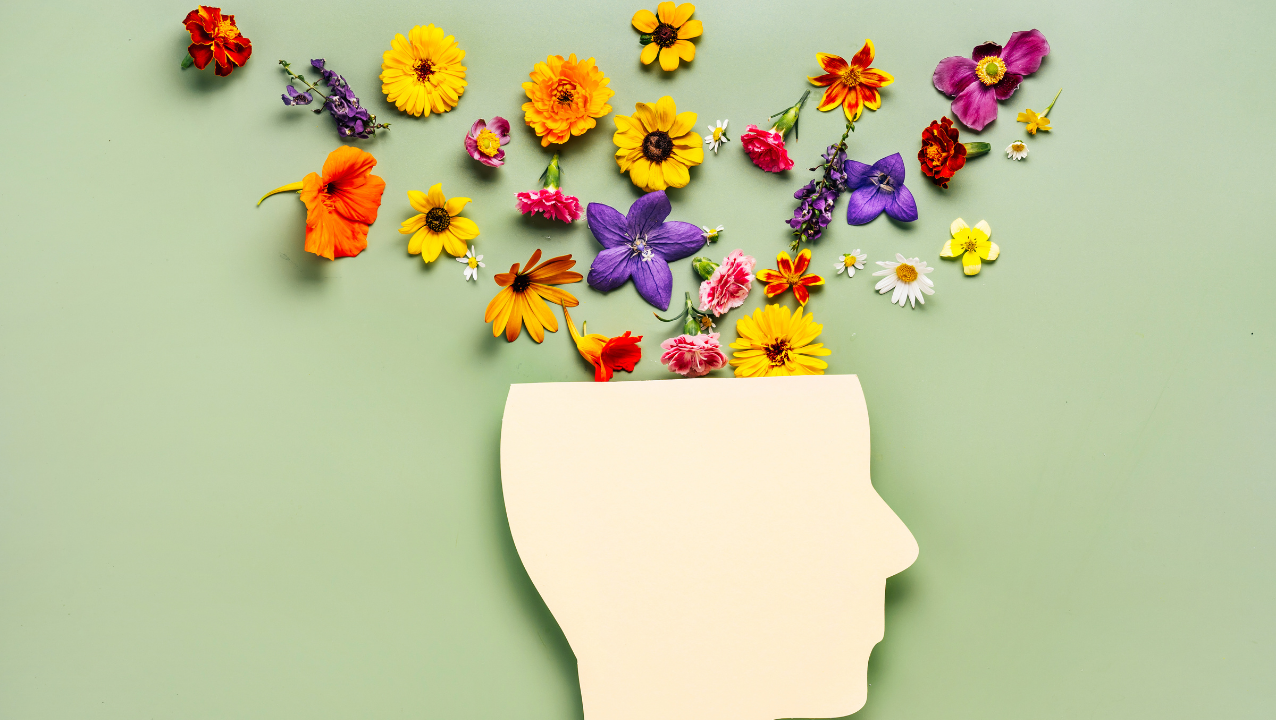
Certain herbs offer powerful, natural support for brain function, helping improve memory, concentration, and mental clarity. Ginkgo biloba enhances blood flow to the brain, while Bacopa monnieri supports learning and retention. Lion’s Mane mushroom promotes brain cell growth, and Ashwagandha helps reduce stress while protecting cognitive function.
Other beneficial herbs include Gotu kola and sage for memory support, tulsi (holy basil) for balancing brain chemicals, and lemon balm for mental sharpness. Ginseng, turmeric (with black pepper), and rosemary further enhance focus and overall brain performance.
While these natural remedies show promise, it’s important to understand their benefits, use them appropriately, and combine them with healthy lifestyle habits for the best results.
What Is Brain Concentration?
Brain concentration is your ability to focus your mind on a single task or thought while filtering out distractions. It involves the coordinated activity of the cerebral cortex, where neurons communicate through complex electrochemical signals. This process allows you to maintain attention, process information efficiently, and perform tasks with accuracy. Strong concentration is often linked to higher cognitive performance and improved problem-solving abilities.
Concentration is more than just paying attention—it combines memory, awareness, and mental control. It plays a critical role in learning, decision-making, and daily productivity. Whether completing simple tasks or tackling complex challenges, sustained focus helps your brain stay engaged and goal-oriented.
Benefits of Natural Brain Herbs
Natural herbs provide powerful support for concentration, memory, and overall brain function. Herbs like ginkgo biloba and bacopa monnieri enhance blood flow and protect brain cells, improving mental clarity and performance. Lion’s mane mushroom supports brain cell growth, while ashwagandha reduces stress and promotes cognitive balance.
Other herbs, such as turmeric and gotu kola, offer antioxidant and anti-inflammatory benefits that protect the brain. Regular use of these natural remedies can help strengthen focus, support learning, and maintain long-term cognitive health.
1. Ginkgo for Mental Clarity
Ginkgo biloba is a widely recognized herbal remedy known for its ability to support brain function. Its benefits come from its dual role as a circulation enhancer and antioxidant, helping increase blood flow to the brain. This improved circulation delivers more oxygen and nutrients, which can enhance memory, focus, and cognitive speed.
Traditionally used in Chinese medicine, ginkgo has been associated with supporting individuals experiencing cognitive decline. Some evidence suggests it may benefit those with mild cognitive impairment or Alzheimer’s disease, potentially helping slow mental decline. A specific extract, EGb761, has also shown promise in supporting cognitive and neuropsychiatric symptoms.
For general cognitive support, typical doses range from 120 to 240 milligrams daily, while lower divided doses may be used under medical supervision for specific conditions. Side effects such as headaches or dizziness can occur, and interactions with medications are possible.
Consulting a healthcare provider before use is essential for safe and effective results.
2. Ginseng and Cognitive Function
Ginseng has long been valued for its ability to support brain health and enhance cognitive performance. Traditionally used in herbal medicine, it is known to improve memory, mental clarity, and focus. Its effectiveness is largely due to its ability to increase blood flow to the brain, delivering more oxygen and nutrients needed for optimal function.
One of the key components of ginseng is a group of active compounds called ginsenosides. These compounds have anti-inflammatory properties and may help protect brain cells from damage. Research suggests that ginsenosides could also play a role in reducing beta-amyloid buildup in the brain, a factor associated with memory loss and neurodegenerative conditions.
Studies indicate that long-term use of ginseng may provide the greatest cognitive benefits, particularly in older adults. It has shown promise in improving attention, delayed memory recall, and overall mental performance.
While research is ongoing, ginseng remains a powerful natural option for supporting cognitive health and reducing age-related memory decline.
3. Gotu Kola Brain Benefits
Gotu kola is a powerful herbal remedy known for its ability to enhance cognitive function and support overall brain health. Widely used in traditional systems like Ayurveda and Traditional Chinese Medicine, it has been valued for improving mental clarity, memory, and learning capacity. Its natural compounds help protect the brain from oxidative stress, which contributes to aging and cognitive decline.
One of its key benefits is its ability to promote neural connectivity and support the formation of new brain cells. This helps maintain cognitive performance while improving memory retention and information processing. Gotu kola also plays a role in reducing anxiety and stress by increasing GABA activity, which supports calm focus and mental balance.
Research suggests that gotu kola may offer neuroprotective effects, helping defend against conditions linked to cognitive decline, including Alzheimer’s disease. Studies indicate it may reduce oxidative damage and improve overall brain function.
With its combined ability to enhance focus, protect brain cells, and support long-term mental performance, gotu kola is a valuable natural option for cognitive wellness.
4. Ashwagandha for Brain Power
Ashwagandha is a powerful adaptogenic herb known for its ability to enhance cognitive function and support overall brain health. It works by crossing the blood-brain barrier, helping improve memory, processing speed, and mental performance. This makes it a valuable natural option for boosting brain power.
One of its key benefits is its ability to support important brain chemicals. Ashwagandha helps maintain healthy levels of acetylcholine, essential for learning and memory, while also protecting brain-derived neurotrophic factor (BDNF), which supports brain cell growth and function.
In addition, ashwagandha reduces stress by lowering cortisol levels, allowing for better focus and mental clarity. Research also suggests it may help reduce oxidative stress and inhibit harmful plaque formation in the brain, supporting long-term cognitive health.
5. Bacopa Monnieri Memory Support
Bacopa monnieri is a well-known herbal remedy valued for its ability to enhance memory and cognitive function. Used for centuries, it supports learning, information processing, and overall mental performance, making it a popular choice for brain health.
This herb also provides antioxidant protection, helping defend brain cells from damage. In addition, it promotes calmness by reducing anxiety and supporting a balanced mood, which contributes to better focus and clarity.
For best results, a daily intake of about 300 mg is often recommended. Consistent use is key, as noticeable cognitive benefits typically develop after several weeks.
6. Lion’s Mane for Brain Health
Lion’s mane mushroom is a powerful natural remedy known for supporting brain cell growth and cognitive function. Its active compounds stimulate neurons to grow and form stronger connections, which can enhance memory and overall mental performance.
This unique mushroom also crosses the blood-brain barrier, allowing it to directly support brain health. It promotes nerve cell survival and may help improve processing speed and mental clarity.
Regular use of Lion’s mane has shown potential in supporting individuals with mild cognitive impairment and maintaining sharp thinking with age. It may also help reduce anxiety and support emotional well-being.
7. Lemon Balm for Mental Clarity and Cognitive Support
Lemon balm is a powerful herbal remedy known for its ability to enhance mental clarity while reducing stress. It works by increasing GABA levels in the brain, promoting relaxation without causing drowsiness. This makes it especially useful for maintaining focus during mentally demanding tasks. Research suggests that moderate doses may improve working memory, alertness, and overall cognitive performance.
One of lemon balm’s key active compounds is rosmarinic acid, which has strong antioxidant and anti-inflammatory properties. These effects help protect brain cells from damage and support long-term cognitive health. Its neuroprotective qualities may play a role in slowing age-related mental decline and supporting brain resilience.
Studies have also shown that lemon balm may benefit individuals experiencing anxiety, sleep disturbances, or mild cognitive impairment. Regular use has been associated with improved memory recall, better sleep quality, and reduced neuropsychiatric symptoms linked to cognitive disorders.
Often consumed as a tea or supplement, lemon balm is generally well tolerated. When used consistently, it offers a natural and effective way to support brain function, improve focus, and promote emotional balance.
8. Tulsi for Mental Performance
Tulsi, also known as holy basil, is a powerful adaptogenic herb valued for its ability to enhance mental performance and resilience to stress. It works by balancing cortisol levels, which helps improve focus, clarity, and overall cognitive function.
Its active compounds, including ocimumosides A and B, support short-term memory, faster reaction times, and cognitive flexibility. Tulsi also helps regulate neurotransmitters, promoting better concentration and mental stability.
In addition, its antioxidant properties protect the brain from fatigue and oxidative stress. By supporting healthy blood sugar and pressure levels, tulsi contributes to optimal brain performance and sustained mental energy.
9. Sage for Memory and Mental Clarity
Sage is a powerful herb known for its ability to enhance cognitive performance and support brain health. Rich in antioxidants like rosmarinic and ursolic acids, it helps protect brain cells from oxidative stress and inflammation, promoting long-term mental function.
This herb supports key neurotransmitters such as acetylcholine and dopamine, which are essential for memory, learning, and concentration. As a result, sage may improve recall, focus, and overall mental clarity.
Often used in cooking or consumed as tea, sage is a simple addition to daily routines. Its potential benefits also extend to supporting cognitive health in aging and neurological conditions.
10. Rosemary for Alertness and Recall
Rosemary is more than a culinary herb—it is a natural aid for improving alertness and memory. Its aroma has been linked to enhanced concentration and cognitive performance, making it a popular choice for mental clarity. In aromatherapy, rosemary is often used to stimulate the mind and support focus during demanding tasks.
One of its key compounds, carnosic acid, acts as a powerful antioxidant that helps protect brain cells from oxidative stress and damage. This protective effect supports long-term brain health and may contribute to better memory retention.
Whether used as a tea, seasoning, or essential oil, rosemary offers a simple and natural way to boost mental performance and support recall.
Should You Use Herbs for Memory and Brain Health?
Herbs and spices can support brain health, but they should never replace standard medical care for conditions affecting cognitive function. While small amounts used in cooking are generally safe and beneficial, taking concentrated herbal supplements carries greater risks and should be approached with caution.
High doses or supplement forms of certain herbs may lead to side effects. For example, sage has been linked to seizures in children and inflammation in adults, while turmeric, ginseng, and ginkgo may thin the blood and increase bleeding risk—especially when combined with medications. Ginseng can also affect blood pressure and, in rare cases, cause allergic reactions or liver issues. Gotu kola has similarly been associated with rare liver damage.
It’s also important to note that supplement quality can vary, as the Food and Drug Administration does not strictly regulate their purity or content. Some products have been found to contain harmful contaminants like heavy metals.
Consulting a healthcare provider before using herbal supplements is essential for safe and informed use.
Link Sources
https://link.springer.com/article/10.1007/s40268-016-0157-5
https://journals.sagepub.com/doi/10.3233/JAD-170512
https://www.eurekaselect.com/article/69512
https://journals.sagepub.com/doi/abs/10.3233/JAD-140837
https://onlinelibrary.wiley.com/doi/10.1155/2018/8174345
https://journals.sagepub.com/doi/abs/10.3233/JAD-142217
https://www.frontiersin.org/journals/pharmacology/articles/10.3389/fphar.2021.687935/full
https://journals.sagepub.com/doi/abs/10.3233/JAD-220953
https://www.mdpi.com/2218-273X/11/4/543