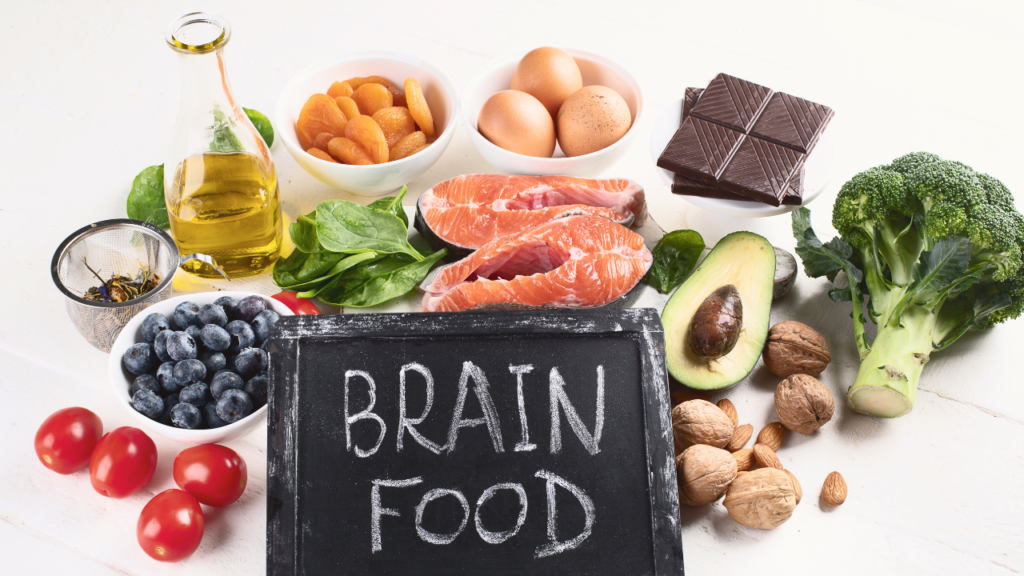
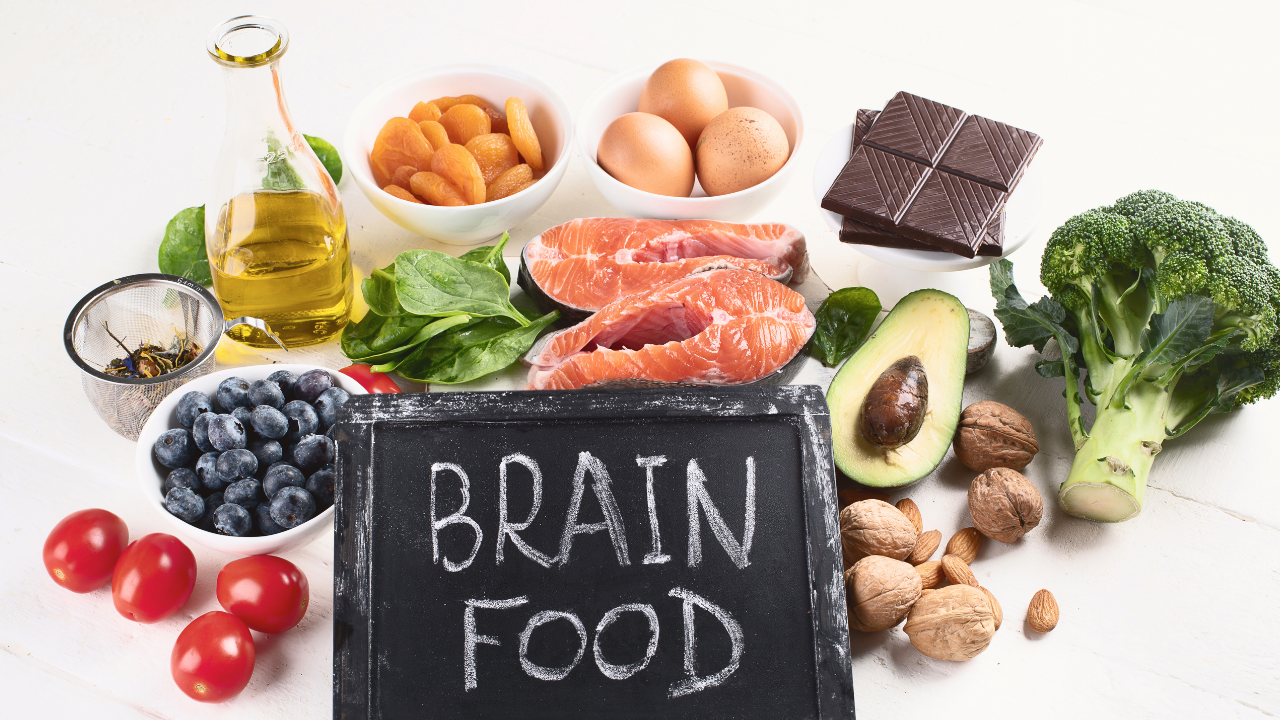
The brain is the control center of the body, managing breathing, movement, thinking, and emotions. Eating healthy foods plays an important role in keeping the brain working well. Foods like fatty fish, blueberries, and broccoli contain nutrients that support memory, focus, and overall brain function.
Brain foods are rich in healthy fats, antioxidants, vitamins, and minerals that give the brain energy and help protect its cells. A balanced, nutrient-rich diet can help keep the mind sharp and may lower the risk of age-related memory problems and brain diseases over time.
1. Avocados
Avocados are rich in healthy monounsaturated fats that support brain health and may help slow cognitive decline. They also contain vitamin K and folate, which help improve blood flow to the brain and may lower the risk of stroke. These nutrients support memory, concentration, and overall brain function.
Studies have shown that older adults who regularly eat avocados tend to have better memory and thinking skills. This may be due to key nutrients like B vitamins, vitamin C, lutein, and healthy fats, all of which help protect brain cells and support mental performance.
2. Fatty fish
Fatty fish like salmon, trout, tuna, herring, and sardines are rich in omega-3 fatty acids, which are very important for brain health. Since much of the brain is made of fat, and a large part of that fat is omega-3s, these nutrients help build brain and nerve cells. They support learning, memory, and clear thinking, and they also help improve blood flow to the brain.
Eating fatty fish regularly may help slow mental decline as people age and may lower the risk of conditions like Alzheimer’s disease. On the other hand, not getting enough omega-3s is linked to problems with thinking, memory, and even mood. Studies also show that people who eat fish often tend to have more gray matter in their brains, which helps control decision-making, emotions, and memory.
3. Blueberries
Blueberries are powerful brain foods because they are rich in antioxidants and plant compounds called anthocyanins. These nutrients help protect the brain from inflammation and oxidative stress, which can lead to aging and damage of brain cells. Some of these antioxidants can even build up in the brain and improve communication between brain cells, which supports memory and learning.
Eating blueberries regularly may also help improve reaction time, lower blood pressure, and protect against cognitive decline. They contain important nutrients like vitamin C, vitamin K, fiber, and flavonoids that help protect brain cells and support overall brain function. Because of these benefits, experts often recommend adding blueberries and other berries to your daily diet.
4. Broccoli
Broccoli is a powerful brain food because it is rich in antioxidants and important nutrients like vitamin K and vitamin C. Vitamin K helps form fats that are needed to build healthy brain cells, while vitamin C supports brain function and helps improve focus, attention, and memory. Studies show that people with higher vitamin K levels often have better memory and thinking skills.
Broccoli also contains special plant compounds like sulforaphane that help reduce inflammation and protect brain cells from damage. These compounds may help lower the risk of brain conditions such as stroke, Alzheimer’s disease, and Parkinson’s disease. Because of these benefits, eating broccoli regularly can help support long-term brain health.
5. Coffee
Coffee can support brain health because it contains caffeine and antioxidants. Caffeine helps keep you alert by blocking chemicals that make you feel sleepy. It can also improve mood, boost focus, and sharpen concentration by increasing feel-good brain chemicals like dopamine.
Drinking coffee regularly in moderate amounts may also lower the risk of brain diseases such as Alzheimer’s, Parkinson’s, stroke, and dementia. This may be due to its high antioxidant content, which helps protect brain cells. However, drinking too much coffee or having it late in the day can affect sleep, which can harm memory and brain function.
6. Pumpkin seeds
Pumpkin seeds are good for brain health because they contain antioxidants that help protect the brain from damage caused by harmful molecules called free radicals. These seeds are also rich in important nutrients that support brain function and keep the nervous system working properly.
They provide key minerals like zinc, magnesium, copper, and iron, which all play important roles in memory, learning, and nerve signaling. Low levels of these nutrients have been linked to problems such as brain fog, depression, and certain brain diseases. Adding pumpkin seeds to your diet can help support healthy brain function over time.
7. Green leafy vegetables
Green leafy vegetables like spinach, kale, and romaine lettuce are very important for brain health. Studies show that people who eat these vegetables regularly may have slower memory decline as they age. In one study, older adults who ate leafy greens daily had better thinking and memory skills compared to those who rarely ate them.
These vegetables are rich in nutrients such as vitamin K, lutein, folate, and beta-carotene. These nutrients help protect brain cells from damage, support memory, and keep the brain working properly. Eating leafy greens often may help lower the risk of cognitive decline and support long-term brain health.
8. Dark chocolate
Dark chocolate with at least 70% cocoa contains helpful compounds like flavonoids, antioxidants, and small amounts of caffeine that support brain health. These nutrients can improve memory, boost concentration, and increase blood flow to the brain. They may also help protect brain cells from damage and slow mental decline as people age.
Dark chocolate can also improve mood by supporting the gut-brain connection and stimulating feel-good chemicals in the body. Studies show that eating small amounts of dark chocolate may help maintain focus during difficult mental tasks. For the best benefits, it is important to choose minimally processed dark chocolate rather than milk or white chocolate.
9. Eggs
Eggs are rich in important nutrients that support brain health, including choline and B vitamins like B6, B12, and folate. Choline helps the body produce acetylcholine, a chemical that plays a key role in memory, learning, and mood. Getting enough choline from foods like eggs may help improve mental function and support healthy brain development.
The B vitamins in eggs also help protect the brain by lowering levels of substances linked to memory decline and brain diseases. They may also help reduce the risk of depression and support normal brain activity. In addition, eggs provide high-quality protein, which helps maintain steady energy levels needed for proper brain function.
10. Turmeric
Turmeric is a bright yellow spice that contains curcumin, a powerful compound known for its anti-inflammatory and antioxidant effects. Curcumin can cross into the brain, where it helps reduce oxidative stress, improve oxygen flow, and keep the brain alert. It may also support memory and help lower the risk of brain diseases by reducing harmful plaque buildup.
Curcumin can also boost mood by increasing brain chemicals like serotonin and dopamine. In addition, it may help brain cells grow by supporting a hormone that protects and repairs them. Although turmeric contains small amounts of curcumin, adding it regularly to meals can still support overall brain health.
11. Citrus Fruits
Citrus fruits like oranges and grapefruit are rich in vitamin C, an important nutrient for brain health. Vitamin C acts as a powerful antioxidant that helps protect brain cells from damage caused by harmful molecules. Getting enough vitamin C may help support focus, memory, attention, and quick thinking.
Regularly eating citrus fruits may also help lower the risk of age-related mental decline, dementia, and conditions like Alzheimer’s disease. Studies show that people who eat citrus often tend to have better brain health than those who rarely eat them. Just one medium orange can provide most of the vitamin C your body needs each day.
12. Green tea
Green tea can support brain health because it contains caffeine, which helps improve alertness, focus, memory, and mental performance. It also contains an amino acid called L-theanine that helps the brain relax by reducing anxiety and balancing the stimulating effects of caffeine.
In addition, green tea is rich in antioxidants and polyphenols that help protect brain cells from damage and may lower the risk of mental decline and brain diseases. Drinking green tea regularly may also help improve memory and support overall brain function over time.
13. Nuts (such as walnuts)
Nuts like walnuts, almonds, and pistachios are good for brain health because they contain healthy fats, antioxidants, vitamins, and minerals. These nutrients help improve mental alertness and protect brain cells from damage. Vitamin E found in nuts is especially important because it helps slow mental decline and may reduce the risk of diseases like Alzheimer’s.
Eating nuts regularly may also support heart health, which is closely linked to brain health. Studies show that people who eat nuts often may have a lower risk of memory decline as they age. Walnuts may be especially helpful because they also contain omega-3 fatty acids that help reduce inflammation and support brain function.
14. Fermented foods
Fermented foods like yogurt, kefir, sauerkraut, kimchi, miso, tempeh, and kombucha are good for brain health because they support the gut-brain connection. They contain beneficial bacteria that help keep the digestive system healthy and influence how the brain works. A healthy gut can help reduce inflammation and support mood, memory, and thinking.
These foods also contain special bacteria that help produce brain chemicals like serotonin and GABA, which help you feel calm and balanced. The fermentation process also increases nutrients and antioxidants that protect brain cells from damage. Eating fermented foods regularly can help build a healthy gut microbiome and support long-term brain health.
15. Whole Grains
Whole grains like oats, barley, quinoa, and brown rice are good for brain health because they provide a steady release of glucose, which the brain needs for energy. This steady energy helps improve focus, concentration, and mental performance throughout the day. Whole grains also contain nutrients like magnesium and B vitamins that support memory and brain function.
They are also rich in fiber and vitamin E, which help protect the brain from damage and may lower the risk of cognitive decline and dementia. Eating more whole grains instead of refined grains may also support heart health and mood, which are important for overall brain health.
Conclusion
Many foods can support brain health, including fatty fish, eggs, nuts, leafy greens, berries, broccoli, avocados, and healthy oils. These foods are rich in antioxidants, vitamins, and minerals that help protect brain cells, improve memory, support focus, and promote a positive mood.
Adding these brain-boosting foods to your daily diet may also help lower the risk of conditions like Alzheimer’s disease, dementia, and depression. They can also support the immune system, digestion, and the gut-brain connection, helping keep the brain healthy over time.