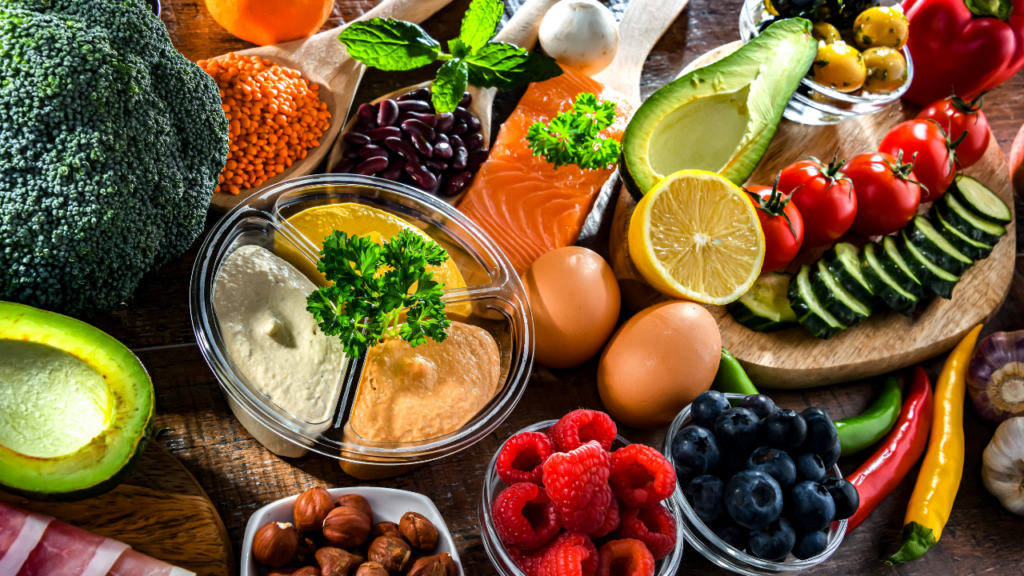
A healthy digestive system starts with the foods you eat every day. One of the most important nutrients for digestive health is fiber. It helps food move through your digestive tract, supports healthy gut bacteria, and keeps bowel movements regular.
Unfortunately, many people do not get enough fiber. A low-fiber diet can increase the risk of constipation and may affect overall gut health. The good news is that adding more fruits, vegetables, whole grains, beans, nuts, and seeds can make a big difference.
What Is Dietary Fiber?
Dietary fiber is a type of carbohydrate found in plant foods. Unlike other carbohydrates, your body cannot fully digest it. Instead, fiber passes through your digestive system and helps keep everything moving smoothly.
Fiber does much more than prevent constipation. It also feeds the beneficial bacteria in your gut, supports heart health, helps control blood sugar, and can keep you feeling full after meals.
Types of Fiber
There are two main types of fiber, and both are important.
| Type | What It Does | Food Sources |
|---|---|---|
| Soluble Fiber | Absorbs water, forms a gel, slows digestion, helps lower cholesterol | Oats, apples, beans, lentils, barley |
| Insoluble Fiber | Adds bulk to stool and helps food move through the intestines | Whole wheat, vegetables, nuts, seeds |
Most plant foods contain a combination of both types.
Benefits of High-Fiber Foods
Eating more fiber provides many health benefits beyond improving digestion.
Supports Regular Bowel Movements
Fiber softens stool and increases its size, making it easier to pass. This helps reduce constipation and promotes regular bowel movements.
Feeds Healthy Gut Bacteria
Certain fibers act as food for the beneficial bacteria living in your intestines. These bacteria produce substances that help maintain a healthy digestive system and support the lining of the colon. Research continues to show that a fiber-rich diet promotes a healthier gut microbiome.
Helps You Feel Full Longer
Fiber slows the emptying of your stomach. This helps reduce hunger and may make it easier to maintain a healthy weight.
Supports Heart Health
Many high-fiber foods can help lower LDL (“bad”) cholesterol and support healthy blood sugar levels, reducing the risk of several chronic diseases.
Best High-Fiber Foods
The following foods are among the richest natural sources of dietary fiber.
Fruits
| Fruit | Fiber (Approx.) |
|---|---|
| Raspberries (1 cup) | 8 g |
| Pear (1 medium) | 5.5 g |
| Apple with skin | 4.5 g |
| Orange | 3 g |
| Banana | 3 g |
Approximate values from Mayo Clinic food chart.
Vegetables
| Vegetable | Fiber (Approx.) |
|---|---|
| Green peas | 9 g |
| Broccoli | 5 g |
| Brussels sprouts | 4.5 g |
| Carrots | 3–4 g |
| Sweet potatoes | 4–5 g |
Vegetables provide fiber along with vitamins, minerals, and antioxidants that support overall health.
Beans and Legumes
Beans are some of the richest sources of fiber available.
- Black beans
- Kidney beans
- Chickpeas
- Lentils
- Split peas
- Navy beans
Adding beans to soups, salads, or rice dishes is an easy way to increase your daily fiber intake.
Whole Grains
Choose whole grains instead of refined grains whenever possible.
Examples include:
- Oatmeal
- Brown rice
- Whole wheat bread
- Barley
- Quinoa
- Whole grain cereals
Whole grains provide both soluble and insoluble fiber.
Nuts and Seeds
Small servings of nuts and seeds add plenty of fiber.
Good choices include:
- Chia seeds
- Flaxseeds
- Almonds
- Pistachios
- Sunflower seeds
These foods also contain healthy fats and plant protein.
Daily Fiber Recommendations
Your fiber needs depend on age, sex, and calorie intake.
| Group | Recommended Fiber |
|---|---|
| Women (50 years and younger) | 25 g/day |
| Men (50 years and younger) | 38 g/day |
| Women (over 50) | 21 g/day |
| Men (over 50) | 30 g/day |
Another general guideline is about 14 grams of fiber for every 1,000 calories consumed.
How to Increase Fiber Safely
Adding too much fiber too quickly can cause gas, bloating, or stomach cramps. Increase your intake gradually over several weeks so your digestive system has time to adjust.
Helpful tips include:
- Start your day with oatmeal.
- Eat fruit instead of juice.
- Leave edible skins on fruits and vegetables.
- Add beans to soups and salads.
- Choose whole-grain bread and pasta.
- Snack on nuts or fresh fruit.
- Include vegetables with every meal.
Drink Plenty of Water
Fiber works best when it absorbs water. Without enough fluids, increasing fiber may actually make constipation worse.
Aim to drink water throughout the day, especially if you are eating more whole grains, beans, fruits, and vegetables.
Sample High-Fiber Meal Plan
| Meal | High-Fiber Foods |
|---|---|
| Breakfast | Oatmeal with raspberries and chia seeds |
| Snack | Apple with almonds |
| Lunch | Lentil soup with whole-grain bread |
| Snack | Carrot sticks and hummus |
| Dinner | Grilled chicken, broccoli, brown rice, and black beans |
This menu provides fiber from a variety of plant foods while also supplying protein, vitamins, and minerals.
Can Fiber Supplements Help?
Fiber supplements can help people who struggle to meet their daily needs through food. However, experts recommend getting most of your fiber from whole foods because they also provide vitamins, minerals, antioxidants, and other beneficial nutrients.
If you have digestive conditions such as bowel obstruction, Crohn’s disease, or take certain medications, talk with your healthcare provider before using fiber supplements.
Common Mistakes to Avoid
Avoid these common habits when increasing fiber:
- Adding too much fiber all at once
- Drinking too little water
- Eating only one type of high-fiber food
- Depending mainly on supplements instead of whole foods
- Ignoring fruits, vegetables, and legumes
A variety of fiber-rich foods provides the greatest digestive and overall health benefits.
Frequently Asked Questions
How long does it take for fiber to improve digestion?
Some people notice better bowel regularity within a few days. For others, it may take several weeks as the digestive system adjusts.
Can eating too much fiber cause problems?
Yes. Increasing fiber too quickly may lead to gas, bloating, or stomach discomfort. Drinking enough water and increasing fiber gradually can help reduce these effects.
What are the highest-fiber foods?
Some of the best choices include:
- Lentils
- Black beans
- Chickpeas
- Split peas
- Raspberries
- Green peas
- Chia seeds
- Oats
- Broccoli
- Pears
Conclusion
High-fiber foods are one of the simplest ways to improve digestive health. They help prevent constipation, nourish beneficial gut bacteria, support heart health, and keep you feeling satisfied after meals. Choosing more fruits, vegetables, whole grains, beans, nuts, and seeds can make a lasting difference in your overall well-being.
Start with small changes, drink plenty of water, and build your fiber intake gradually. Over time, these simple habits can lead to a healthier digestive system and better long-term health.
References
- Mayo Clinic. Chart of High-Fiber Foods. https://www.mayoclinic.org/healthy-lifestyle/nutrition-and-healthy-eating/in-depth/high-fiber-foods/art-20050948
- Digestive Health Hub. High-Fiber Foods for Better Digestion.
- Clinical Nutrition (2025). Research on dietary fiber and digestive health. https://www.sciencedirect.com/science/article/abs/pii/S026156142500175X
- National Center for Biotechnology Information (PMC9787832). Review of dietary fiber and gut health.
- The Benefits of Fiber-Rich Diets in Maintaining Digestive Health and Preventing Constipation. ResearchGate.
- Clinical Nutrition (2023). Evidence on dietary fiber and gastrointestinal health.