Technology has become part of almost every moment of modern life. From the smartphone in your pocket to the smartwatch on your wrist, gadgets help people communicate, work, learn, travel, and stay healthy. Many tasks that once required hours can now be completed in minutes.
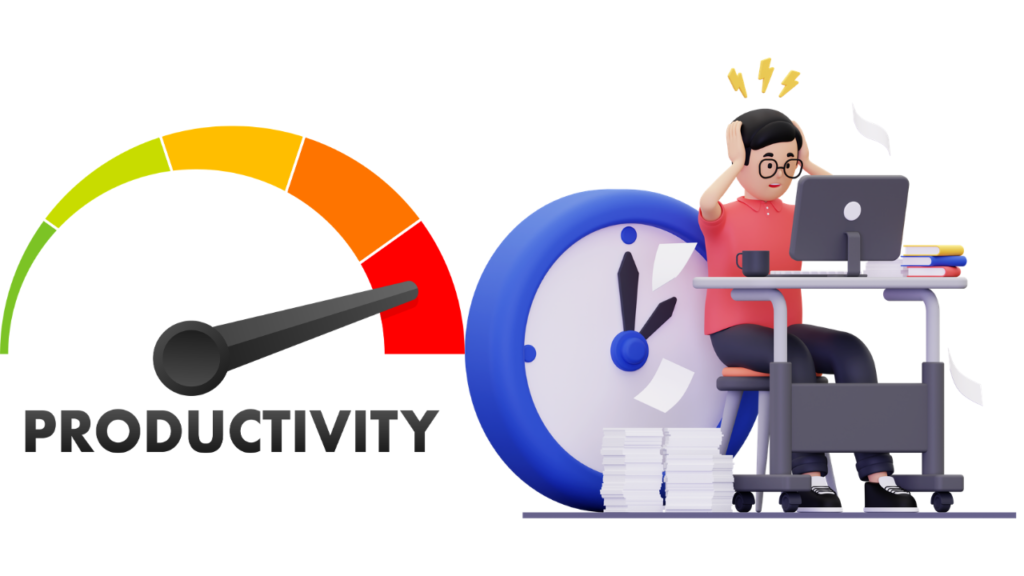
Gadgets are no longer considered luxury items. They have become everyday tools that improve convenience, increase productivity, and connect people across the world. At the same time, they also bring new challenges, including digital dependence, privacy concerns, and screen fatigue. Researchers emphasize that technology should be viewed as both an opportunity and a responsibility.
What Is a Gadget?
A gadget is a small electronic device designed to perform a specific task or make life easier. Most modern gadgets combine hardware, software, and internet connectivity.
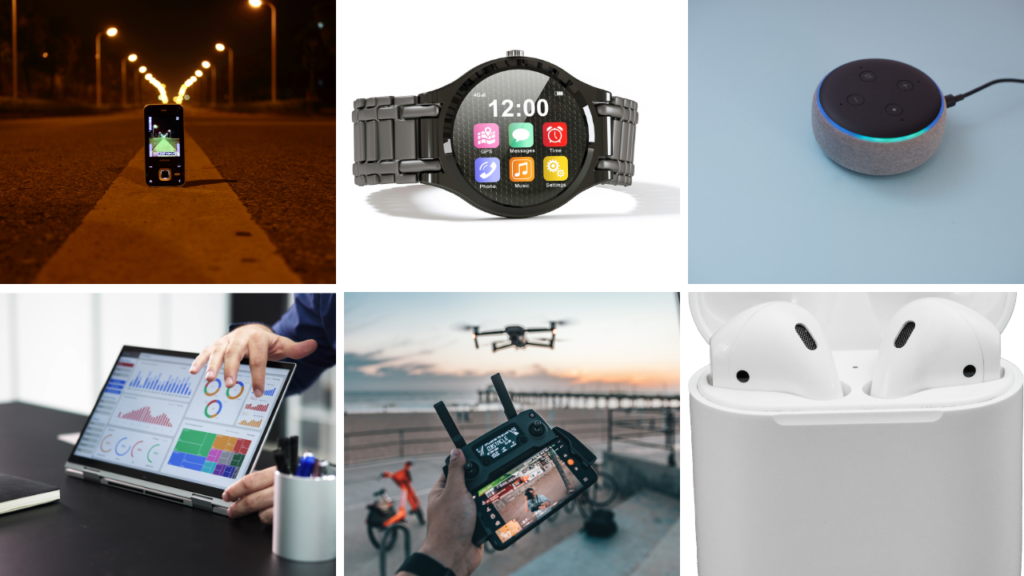
Common examples include:
- Smartphones
- Tablets
- Laptops
- Smartwatches
- Wireless earbuds
- Fitness trackers
- Smart speakers
- E-readers
- GPS navigation devices
- Smart home assistants
Many of these devices now work together through cloud services and wireless networks, creating connected digital ecosystems.
The Evolution of Everyday Gadgets
Technology has advanced rapidly during the last few decades.
| Then | Today |
|---|---|
| Landline phones | Smartphones |
| Paper maps | GPS navigation apps |
| Film cameras | Digital smartphone cameras |
| Printed encyclopedias | Online search engines |
| Alarm clocks | Smart speakers |
| DVD players | Streaming devices |
| Cash payments | Mobile wallets |
| Basic watches | Smartwatches |
Modern gadgets combine many older devices into one compact product. A smartphone, for example, functions as a camera, GPS, calculator, flashlight, music player, wallet, notebook, television, and communication device.
How Smartphones Changed Daily Life
The smartphone is one of the most influential gadgets ever created.
Instead of carrying several separate devices, people now rely on one portable computer that fits in a pocket. Smartphones provide instant access to communication, banking, shopping, education, navigation, entertainment, and healthcare services.
Today, people use smartphones to:
- Send messages instantly
- Make video calls
- Read books
- Watch movies
- Pay bills
- Order groceries
- Book transportation
- Work remotely
- Track exercise
- Learn new skills
This level of convenience has transformed personal and professional life.
Communication Has Become Instant
Before mobile technology, communication often required letters or scheduled phone calls.
Today, messaging apps, email, and video conferencing allow people to communicate almost instantly regardless of location.
Benefits include:
- Faster business communication
- Better collaboration
- Easier family connections
- Remote customer support
- International communication with low cost
Researchers also note that constant connectivity can blur the boundary between work and personal life, making it harder for many people to disconnect.
Gadgets Have Changed the Way We Work
Workplaces have become increasingly digital.
Laptops, tablets, cloud storage, and collaboration software allow employees to work from almost anywhere with an internet connection.
Major workplace improvements include:
- Remote work
- Virtual meetings
- Digital document sharing
- Online project management
- Faster communication
- Automation of repetitive tasks
Businesses have become more flexible and productive because employees are no longer limited to traditional offices.
Learning Is More Accessible Than Ever
Students no longer depend only on printed textbooks.
Educational gadgets provide access to:
- Online courses
- Video lessons
- Interactive learning apps
- Virtual classrooms
- Digital libraries
- Language learning platforms
Teachers also benefit from presentation software, digital whiteboards, and online assessment tools.
Technology has expanded learning opportunities for people of all ages.
Gadgets Have Improved Healthcare
Healthcare technology has become more personal.
Wearable gadgets now help users monitor their health every day.
Examples include:
- Heart rate monitors
- Sleep trackers
- Blood oxygen sensors
- Fitness trackers
- Smart scales
- Continuous health monitoring devices
Many hospitals also use advanced imaging, digital records, and telemedicine to improve patient care.
These innovations support earlier detection of health issues and encourage healthier lifestyles.
Smart Homes Make Daily Living Easier
Home technology has become more intelligent.
Smart devices allow homeowners to control many household systems using voice commands or mobile apps.
Popular smart home gadgets include:
- Smart thermostats
- Smart lighting
- Video doorbells
- Security cameras
- Smart locks
- Robot vacuum cleaners
- Smart appliances
These devices improve comfort, save energy, and increase home security.
Entertainment Has Changed Completely
Technology has transformed how people enjoy entertainment.
Instead of buying CDs or DVDs, users now stream music and movies instantly.
Popular entertainment gadgets include:
- Smart TVs
- Streaming devices
- Gaming consoles
- Wireless headphones
- Virtual reality headsets
- Tablets
People can enjoy entertainment almost anywhere.
Shopping Has Become More Convenient
Online shopping has become a normal part of everyday life.
Using smartphones or tablets, consumers can:
- Compare prices
- Read reviews
- Order products
- Track deliveries
- Make secure payments
Digital wallets and contactless payment systems have also made purchasing faster and more convenient.
Transportation Is Smarter
Navigation has changed dramatically.
GPS technology provides real-time directions, traffic updates, and estimated arrival times.
Drivers also benefit from:
- Ride-sharing apps
- Digital parking payments
- Electric vehicle technology
- Vehicle tracking
- Smart traffic systems
These innovations save time and reduce travel stress.
Productivity Has Increased
Modern gadgets help people organize daily tasks more efficiently.
Useful productivity tools include:
- Calendar apps
- Reminder systems
- Cloud storage
- Note-taking applications
- Voice assistants
- AI-powered writing tools
These technologies reduce manual work and improve time management.
Social Life Has Changed
Social media and communication apps have made it easier to stay connected.
People can:
- Share photos
- Join communities
- Meet friends
- Attend virtual events
- Collaborate online
However, researchers warn that excessive social media use may increase stress, comparison, misinformation, and dependence on digital interaction. Balanced use remains important.
Advantages of Everyday Gadgets
Modern gadgets provide many benefits.
Key advantages include:
- Faster communication
- Greater convenience
- Better access to information
- Increased productivity
- Improved healthcare
- Better education
- Enhanced entertainment
- Easier navigation
- Flexible remote work
- Improved safety
Challenges of Modern Gadgets
Technology also creates new concerns.
Some common issues include:
- Screen addiction
- Reduced physical activity
- Privacy risks
- Cybersecurity threats
- Online misinformation
- Sleep disruption
- Digital distractions
- Shorter attention spans
- Electronic waste
Experts recommend using technology thoughtfully rather than allowing it to control daily routines.
Tips for Healthy Gadget Use
You can enjoy technology while reducing its downsides.
Try these habits:
- Set daily screen-time limits.
- Take regular breaks.
- Turn off unnecessary notifications.
- Keep devices updated.
- Use strong passwords and two-factor authentication.
- Spend time outdoors every day.
- Avoid screens before bedtime.
- Balance online and offline activities.
The Future of Everyday Gadgets
Technology continues to evolve quickly.
Future gadgets are expected to include:
- Smarter AI assistants
- Better wearable health devices
- Augmented reality glasses
- Advanced home automation
- More sustainable electronics
- Improved robotics
- Faster wireless connectivity
Future innovations will likely become even more personalized, helping people solve everyday problems while supporting health, productivity, and sustainability.
Frequently Asked Questions
How have gadgets improved daily life?
Gadgets make communication, learning, healthcare, work, shopping, and entertainment faster, easier, and more convenient.
What is the most important everyday gadget?
For many people, the smartphone is the most important because it combines communication, navigation, banking, photography, and internet access in one device.
Are gadgets always beneficial?
No. While gadgets improve convenience and productivity, excessive use can affect privacy, mental well-being, sleep quality, and physical activity.
What are examples of smart gadgets?
Examples include smartwatches, smart speakers, robot vacuums, fitness trackers, smart locks, smart thermostats, and wireless earbuds.
Will gadgets become more advanced?
Yes. Future gadgets will rely more on artificial intelligence, wearable sensors, automation, and energy-efficient designs to provide even greater personalization and convenience.
Conclusion
Gadgets have transformed nearly every part of everyday life. They help people communicate, learn, work, travel, manage health, and enjoy entertainment with greater speed and convenience. Many daily activities that once required significant time and effort can now be completed using a single connected device.
At the same time, technology is not without challenges. Privacy, cybersecurity, misinformation, and excessive screen time remind us that gadgets should be used wisely. The greatest benefits come from balancing digital convenience with healthy habits and thoughtful use. As innovation continues, gadgets will remain powerful tools that shape how people live, connect, and solve everyday problems.
References
- Informatec Digital. (n.d.). Technological Gadgets. https://informatecdigital.com/en/technological-gadgets/
- ResearchGate. (2024). How Does Technology Re-Shape Our Everyday Life? https://www.researchgate.net/publication/382349645_How_Does_Technology_ReShape_Our_Everyday_Life
- Science Insights. (n.d.). What Has Technology Changed in Our Daily Lives? https://scienceinsights.org/what-has-technology-changed-in-our-daily-lives/
- Science Times. (2025, November 4). The Science Behind Everyday Technology: Inventions That Changed How We Live. https://www.sciencetimes.com/articles/60687/20251104/science-behind-everyday-technology-inventions-that-changed-how-we-live.htm
- Tech Review Advisor. (n.d.). How Technology Changed Our Lives. https://techreviewadvisor.com/how-technology-changed-our-lives/
- UESource. (n.d.). The Evolution of Gadgets: From Simple Tools to Sophisticated Companions. https://uesource.com/the-evolution-of-gadgets-from-simple-tools-to-sophisticated-companions/
- National Center for Biotechnology Information (NCBI). (2020). The Impact of Digital Technology on Human Well-Being: Evidence and Future Directions. https://pmc.ncbi.nlm.nih.gov/articles/PMC7366947/