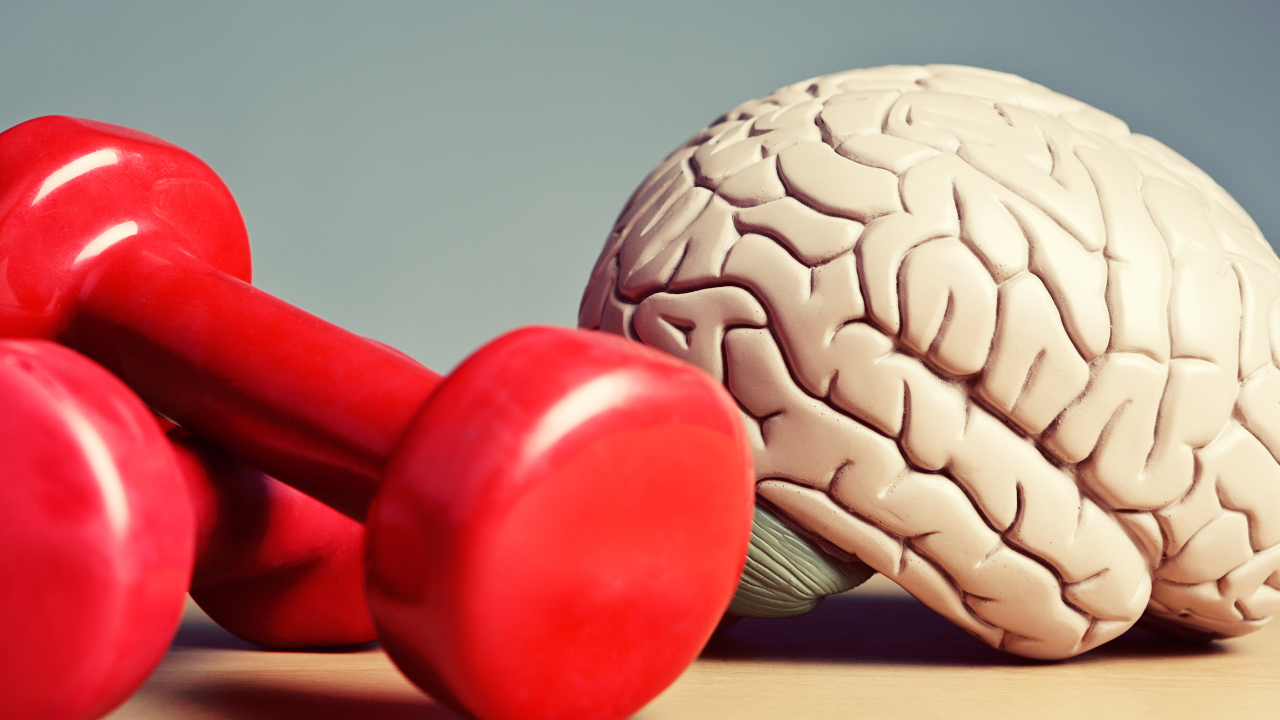
The brain controls everything we do, from thinking and moving to feeling and remembering. Like any other part of the body, it needs regular care to stay healthy. Taking steps to protect and support the brain can help it work better throughout life.
Research shows that people of any age can improve their mental sharpness by practicing simple brain exercises. These activities can strengthen memory, increase focus, and improve concentration. Over time, they can also help keep the brain strong and reduce the risk of mental decline as we get older.
Here are 14 Brain Exercises to Keep Your Mind Sharp at Any Age
1 Have fun with a jigsaw puzzle
Working on a jigsaw puzzle is a fun and effective way to exercise your brain. As you put the pieces together, your mind has to look closely at shapes, colors, and patterns to figure out where each piece fits. This helps improve attention, problem-solving skills, and visual thinking.
Research shows that doing jigsaw puzzles can activate many parts of the brain at the same time. This activity may also help protect against mental decline as people age by strengthening cognitive abilities related to memory and spatial awareness.
2. Build your vocabulary
Building your vocabulary is a simple way to exercise your brain. Learning new words helps improve your thinking skills and strengthens your ability to understand and communicate clearly. It also makes reading and listening more engaging because your brain is constantly processing new information.
Studies show that vocabulary activities use several areas of the brain, especially those linked to hearing and visual processing. A helpful habit is to write down new words you find while reading, learn their meanings, and practice using them in daily conversations. This keeps your mind active and sharp.
3. Try your hand at cards
Playing card games is a fun way to keep your brain active. These games require you to focus, plan, and make quick decisions, which helps strengthen important thinking skills. They can also improve self-control and the ability to switch between tasks.
Research shows that card games can benefit both children and older adults by improving skills like verbal fluency, concentration, and mental flexibility. Games such as solitaire, poker, and bridge can be enjoyable activities that support brain health while also providing social interaction.
4. Learn a new skill
Learning a new skill is a great way to keep your brain active and strong. When you try something new, your brain forms new connections that help improve memory, thinking, and problem-solving abilities. This process keeps the mind sharp and engaged.
Research shows that older adults who learned new skills like languages, music, or drawing experienced noticeable improvements in their mental abilities within a few weeks. Their thinking and memory skills became similar to those of younger adults, proving that it is never too late to boost brain power by learning something new.
5. Dance your heart out
Dancing is a fun activity that can help keep your brain healthy and active. Learning new dance moves challenges your brain because it requires you to remember steps, follow rhythms, and coordinate your body. This can improve memory and increase how quickly your brain processes information.
Studies show that dancing regularly can strengthen thinking skills and support brain function over time. Activities like taking dance classes, following online dance videos, or dancing with friends can help keep both the body and mind sharp while also reducing stress and boosting mood.
6. Use all your senses
Using all your senses can help keep your brain active and strong. When you see, hear, smell, taste, and touch at the same time, your brain has to work harder to process all the information. This can help improve thinking skills and support overall brain function.
Research suggests that activities that engage multiple senses may be especially helpful for older adults. Simple tasks like cooking, visiting a market, or trying new foods can stimulate the brain by involving all five senses, helping to keep the mind sharp and alert.
7. Teach a new skill to someone else
Teaching a new skill to someone else is a powerful way to strengthen your brain. When you teach, you have to clearly explain what you learned, remember important details, and organize your thoughts. This process helps improve memory, understanding, and communication skills.
Teaching also gives you a chance to practice and correct mistakes, which helps the brain build stronger connections. Whether you are showing someone how to play a sport, cook a recipe, or use a new tool, sharing your knowledge can help keep your mind active and sharp.
8. Learn a new language
Learning a new language is a powerful way to keep your brain active and sharp. It requires your brain to remember new words, understand grammar, and practice speaking and listening. This process helps improve memory, focus, and overall thinking skills.
Research shows that learning a new language can also improve cognitive flexibility, which is the brain’s ability to adapt and switch between tasks. These benefits can occur at any age, showing that it is never too late to strengthen your brain by studying a new language.
Related: https://sundrg.com/best-superfoods-for-brain-health-and-focus/
9. Listen to or play music
Listening to or playing music is an enjoyable way to keep your brain active. Music activities like singing, playing instruments, or dancing help improve memory, creativity, and thinking skills. They also support verbal fluency and overall mental function.
Research shows that music can help older adults maintain brain health, especially those with early signs of cognitive decline. Learning to play an instrument can also strengthen brain connections, proving that people of any age can benefit from musical activities.
10. Meditate
Meditation is a simple habit that can help calm your mind and body. It slows your breathing, reduces stress, and helps you feel more relaxed. Taking just a few minutes each day to sit quietly and focus on your breathing can improve your emotional well-being.
Research shows that meditation may also support brain health by improving memory and helping the brain process information more efficiently. Practicing daily meditation can keep your mind clear, focused, and better able to handle daily challenges.
11. Take a new route
Trying new routes or changing your daily routine can help keep your brain active. When you take a different way to work or use a new type of transportation, your brain has to pay more attention and process new information. This helps improve focus and problem-solving skills.
Simple changes like these can also make your thinking more flexible and creative. By stepping out of your usual habits, you challenge your brain to adapt, which helps keep it sharp and healthy over time.
12. Focus on another person
Focusing on another person during a conversation can help strengthen your memory and attention skills. By observing small details like clothing, accessories, or hair color, you train your brain to notice and remember information more carefully.
Later, when you try to recall these details, you give your brain a chance to practice memory and concentration. Writing down what you remember can further improve your ability to store and retrieve information, helping keep your mind sharp.
13. Take up tai chi
Tai chi is a gentle exercise that can benefit both the body and the mind. It combines slow movements with deep breathing and focus, which helps reduce stress and improve mental balance. Practicing tai chi regularly can help you feel calmer and more centered.
Research shows that tai chi can also improve thinking skills and memory, especially in older adults with mild memory problems. It may even help improve walking and physical coordination. Learning the basic movements in a class can make it easier to practice tai chi on your own and support long-term brain health.
14. Get Regular Physical Exercise
Exercise is not only good for your body—it is also very beneficial for your brain. Physical activity increases blood flow to the brain, helps grow new brain cells, and improves memory and learning abilities. Studies show that high-intensity interval training (HIIT) can even improve the function of the hippocampus, an important part of the brain responsible for memory. As experts often say, “what’s good for the heart is good for the brain.”
To support brain health, try adding regular exercise to your weekly routine. Aim for about 150 minutes of physical activity each week, which can be divided into sessions that fit your schedule. You can also include HIIT workouts twice a week using simple exercises like squats, cycling, or step-ups. Activities such as walking, swimming, or yoga are also great choices. The key is to choose exercises you enjoy so you can stay consistent and keep both your body and brain strong.
Related: https://sundrg.com/healthy-brain-foods-that-improve-memory-naturally/
Other Exercises
1: The Schulte Table
The Schulte Table is a brain exercise designed to improve focus and mental speed. In this activity, you look at a grid that contains numbers from 1 to 25 placed randomly. Your task is to find each number in order as quickly as possible, starting with 1 and ending with 25.
This exercise challenges your brain to process information quickly while improving attention and visual awareness. Practicing the Schulte Table regularly can help increase information processing speed, concentration, and peripheral vision, making it a great workout for your brain.
2: Color Word Challenge
In this exercise, you will see words written in different colors. Your task is to say the color of the word, not the word itself. For example, if the word “red” is written in blue ink, you should say “blue.” This activity requires your brain to focus carefully and ignore the automatic response of reading the word.
Although it may seem simple, this exercise can be surprisingly challenging. It trains your brain to process information in a different way, helping improve concentration, memory, and multitasking skills while keeping your mind active and alert.
3. Blindfolded Tasks
In this exercise, try completing small tasks with your eyes closed. For example, you can close your eyes and try writing your name on a piece of paper. You can also draw simple shapes like a circle, triangle, or square, or even try typing something on your phone without looking.
Doing activities without using your sight challenges your brain to rely on other senses and memory. This helps keep your brain active and can improve spatial awareness, memory, and recall, making your mind sharper over time.
4: Hand Coordination
This exercise helps improve coordination between your brain and body. Start by making a “P” sign with your right hand and an “OK” sign with your left hand. Then switch your hands so that your left hand makes the “P” sign and your right hand makes the “OK” sign.
Try repeating this movement several times in a row as quickly as you can. This activity challenges your brain to control both hands in different ways at the same time, helping strengthen hand coordination, focus, and the connection between the mind and body.
5: Use Your Non-Dominant Hand
This exercise is simple but very effective for training your brain. Try using your non-dominant hand for everyday tasks that you normally do with your dominant hand. For example, if you usually brush your teeth with your right hand, try brushing with your left hand instead.
You can also try writing, eating, opening doors, or using your phone with your non-dominant hand. Doing this challenges your brain to work in a new way, helping create new neural connections and strengthening the connection between your mind and body.
6: Brain Games
Playing brain-challenging games can help improve memory and thinking skills. Games like Sudoku, chess, riddles, and word puzzles encourage the brain to solve problems, make decisions, and stay mentally active.
These types of games stimulate different parts of the brain and help strengthen cognitive abilities. Choosing games that require thinking and strategy can help improve focus, memory, and mental sharpness over time.
7: Reduce Dependence on Technology
Technology makes many tasks easier, but relying on it too much can reduce the amount of work your brain does. Try limiting your dependence on technology by doing small tasks manually. For example, practice memorizing words, doing simple calculations without a calculator, or remembering phone numbers instead of saving everything on your device.
These small challenges help strengthen your memory and improve mental independence. Instead of always writing lists or relying on reminders, try remembering important things on your own. This trains your brain to stay active and improves your ability to recall information.
Conclusion
Taking care of your brain is very important for improving focus, memory, concentration, and mental sharpness at any age. When you make brain health a priority, you help your mind stay strong and work more effectively in daily life.
Adding simple brain exercises to your routine can challenge your thinking and keep your mind active. These activities can strengthen cognitive skills and also give you opportunities to learn new and meaningful things over time.
Brain Song: The Science Behind It LEARN MORE
Link Sources
https://pmc.ncbi.nlm.nih.gov/articles/PMC6429408/
https://pmc.ncbi.nlm.nih.gov/articles/PMC10527566/
https://onlinelibrary.wiley.com/doi/10.1002/gps.5484
https://www.cdc.gov/moving-matters/about/index.html
https://www.sciencedirect.com/science/article/pii/S2274580725000354
https://pmc.ncbi.nlm.nih.gov/articles/PMC10394988/
https://pmc.ncbi.nlm.nih.gov/articles/PMC11352551/
https://nccih.nih.gov/health/meditation/overview.htm
https://www.tandfonline.com/doi/full/10.1080/13825585.2024.2384107
https://pubmed.ncbi.nlm.nih.gov/37903365/