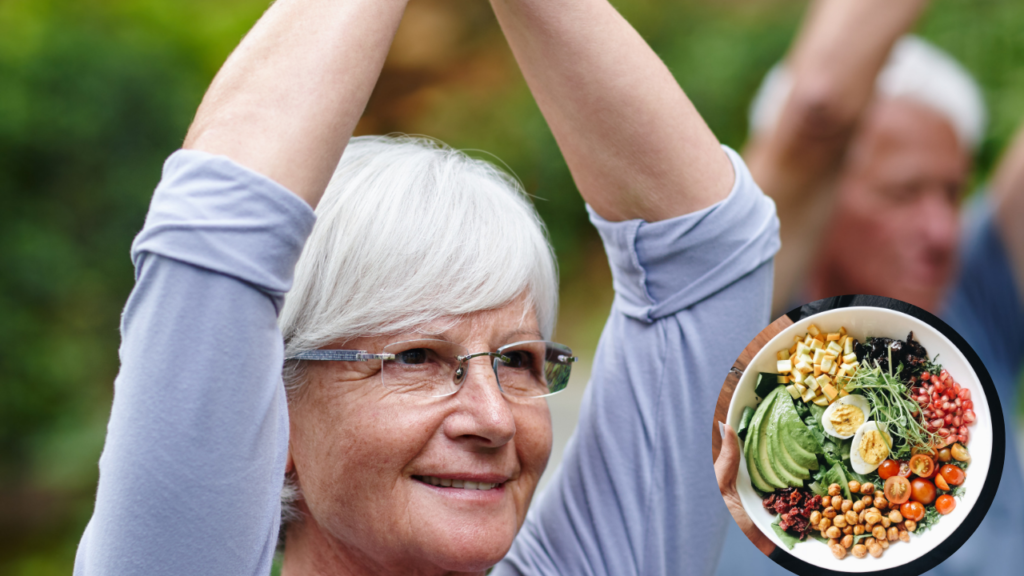
Living a balanced life
Life today often feels like a constant race. Work responsibilities, family commitments, financial pressures, social obligations, and endless digital notifications can leave little room for rest or personal growth. Many people find themselves feeling exhausted, overwhelmed, and disconnected from the things that truly matter.
Living a balanced life doesn’t mean dividing every hour equally between work, family, fitness, and hobbies. Balance looks different for everyone. It means creating a lifestyle where your physical health, emotional well-being, relationships, finances, and personal goals work together instead of competing for your attention.
This guide explores practical strategies to help you create a healthier, more balanced life that supports long-term happiness and overall well-being.
What Does It Mean to Live a Balanced Life?
A balanced life is one in which your time, energy, and priorities align with your values. Rather than constantly reacting to demands, you intentionally choose how to spend your days.
Balance allows you to:
- Maintain good physical health
- Reduce stress
- Build meaningful relationships
- Enjoy financial stability
- Continue learning and growing
- Make time for rest and recreation
- Feel more satisfied with daily life
Balance is not about perfection. Some seasons require more attention to work, family, or health than others. The goal is to avoid allowing one area of life to consistently overshadow the rest.
Why Balance Matters
When one area of life dominates everything else, the consequences often become noticeable.
An unhealthy work-life balance, for example, may lead to:
- Chronic stress
- Sleep problems
- Poor eating habits
- Relationship conflicts
- Burnout
- Reduced productivity
- Anxiety and depression
On the other hand, maintaining balance supports better physical and mental health while increasing resilience during life’s challenges.
The Eight Pillars of a Balanced Life
1. Physical Health
Your body provides the energy needed for every aspect of life.
Healthy habits include:
- Eating nutritious meals
- Drinking enough water
- Exercising regularly
- Getting sufficient sleep
- Managing chronic conditions
- Attending routine medical checkups
Physical health creates the foundation for everything else.
2. Mental and Emotional Wellness
Mental health influences how you think, respond to stress, and interact with others.
Daily practices that promote emotional wellness include:
- Journaling
- Meditation
- Prayer or spiritual reflection
- Deep breathing exercises
- Seeking support when needed
- Practicing gratitude
Taking care of your emotional health is just as important as caring for your physical body.
3. Meaningful Relationships
Healthy relationships contribute to happiness and resilience.
Invest time in:
- Family
- Friends
- Neighbors
- Community groups
- Mentors
- Colleagues
Strong relationships provide encouragement, accountability, and emotional support during difficult times.
4. Career and Purpose
Work occupies a significant portion of life.
A balanced career involves:
- Setting healthy boundaries
- Continuing professional development
- Taking regular breaks
- Finding purpose in your work
- Avoiding chronic overwork
Even if your job isn’t your dream career, identifying meaning in your contributions can improve overall satisfaction.
5. Financial Wellness
Money affects nearly every area of life.
Financial balance includes:
- Creating a realistic budget
- Saving consistently
- Reducing unnecessary debt
- Building an emergency fund
- Planning for retirement
- Spending intentionally
Financial security helps reduce stress and provides greater freedom to pursue personal goals.
6. Personal Growth
Continuous learning keeps life interesting and rewarding.
Ways to grow include:
- Reading books
- Taking online courses
- Learning a language
- Developing creative hobbies
- Attending workshops
- Building new skills
Personal growth encourages confidence and adaptability throughout life.
7. Recreation and Leisure
Rest is productive because it restores your energy.
Healthy leisure activities include:
- Hiking
- Traveling
- Gardening
- Painting
- Photography
- Playing sports
- Listening to music
- Reading for enjoyment
Making time for enjoyable activities prevents burnout and improves overall happiness.
8. Spiritual Well-Being
Many people find strength and purpose through their spiritual beliefs and practices.
Spiritual wellness may involve:
- Prayer
- Bible study or other sacred texts
- Worship services
- Meditation
- Acts of kindness
- Serving others
Having a sense of purpose often provides comfort during life’s uncertainties.
How to Identify Areas That Need Attention
Take a moment to evaluate your current lifestyle.
Ask yourself:
- Am I sleeping enough?
- Do I feel constantly rushed?
- When was my last vacation or day off?
- Am I spending enough time with loved ones?
- Do I have healthy coping strategies for stress?
- Am I taking care of my finances?
- Am I growing personally?
Honest self-reflection helps you identify where improvements are needed.
Create Healthy Daily Routines
Daily routines reduce decision fatigue and support consistency.
A balanced morning routine might include:
- Wake up at a regular time
- Drink water
- Stretch or exercise
- Eat a nutritious breakfast
- Review daily priorities
An evening routine may include:
- Turning off electronic devices
- Spending time with family
- Reading
- Reflecting on the day
- Going to bed at a consistent time
Simple routines create stability even during busy periods.
Learn to Manage Your Time Wisely
Time is one of your most valuable resources.
Consider these strategies:
- Prioritize important tasks
- Schedule breaks
- Limit distractions
- Batch similar activities
- Avoid unnecessary multitasking
- Learn to say no when appropriate
Effective time management creates space for the people and activities that matter most.
Protect Your Physical Health
Good health supports every area of life.
Daily wellness habits include:
- Eating more vegetables and fruits
- Choosing whole grains
- Staying physically active
- Drinking enough water
- Limiting processed foods
- Getting regular sleep
Small improvements made consistently often lead to lasting health benefits.
Reduce Stress Before It Builds
Stress cannot always be avoided, but it can be managed effectively.
Healthy stress-management techniques include:
- Walking outdoors
- Deep breathing
- Meditation
- Exercise
- Talking with trusted friends
- Listening to calming music
- Practicing gratitude
Avoid relying on unhealthy coping mechanisms that provide only temporary relief.
Set Healthy Boundaries
One of the biggest barriers to balance is overcommitting.
Healthy boundaries may involve:
- Declining unnecessary obligations
- Setting work hours
- Protecting personal time
- Limiting social media use
- Scheduling regular family time
Boundaries allow you to give your best without becoming overwhelmed.
Make Sleep a Priority
Sleep affects nearly every aspect of health.
Consistent, high-quality sleep supports:
- Brain function
- Immune health
- Emotional regulation
- Memory
- Productivity
- Heart health
Aim for a regular bedtime and create a relaxing sleep environment.
Build Strong Relationships
Meaningful relationships require intentional effort.
Simple ways to strengthen connections include:
- Eating meals together
- Calling loved ones regularly
- Celebrating milestones
- Listening without distractions
- Offering encouragement
- Showing appreciation
Quality often matters more than quantity when it comes to relationships.
Balance Technology Use
Technology is useful but can easily consume your attention.
Consider these habits:
- Keep phones away during meals.
- Turn off unnecessary notifications.
- Schedule screen-free hours.
- Spend more time outdoors.
- Read printed books regularly.
Reducing digital distractions creates more opportunities for meaningful experiences.
Practice Gratitude Every Day
Gratitude shifts your attention toward what is going well.
Try writing down:
- Three things you’re thankful for
- One accomplishment
- One lesson learned
- One act of kindness you experienced
Over time, gratitude can improve emotional well-being and increase life satisfaction.
Common Obstacles to Balance
Many people struggle with:
- Perfectionism
- Poor time management
- Fear of disappointing others
- Financial stress
- Excessive screen time
- Unrealistic expectations
- Neglecting self-care
Recognizing these obstacles is the first step toward overcoming them.
Sample Balanced Daily Schedule
| Time | Activity |
|---|---|
| 6:30 AM | Wake up, hydrate, stretch |
| 7:00 AM | Healthy breakfast |
| 8:00 AM–12:00 PM | Focused work or study |
| 12:00 PM | Balanced lunch |
| 1:00 PM–5:00 PM | Work with scheduled breaks |
| 5:30 PM | Exercise or outdoor walk |
| 6:30 PM | Dinner with family or friends |
| 7:30 PM | Personal hobbies or learning |
| 9:00 PM | Reading, prayer, or reflection |
| 10:00 PM | Sleep |
Long-Term Benefits of Living a Balanced Life
When balance becomes part of your lifestyle, you may experience:
- Better physical health
- Increased energy
- Lower stress levels
- Improved relationships
- Greater productivity
- Enhanced emotional resilience
- Better financial habits
- More fulfillment and purpose
- Greater confidence
- Higher overall life satisfaction
The benefits grow over time as healthy habits become part of your daily routine.
Final Thoughts
Living a balanced life is not about achieving perfection or maintaining an ideal schedule every day. It is about making intentional choices that support your health, relationships, career, finances, personal growth, and inner well-being. Some days will be busier than others, and priorities may shift, but consistently returning to habits that align with your values can help you maintain stability and resilience.
Start with one small change today. Whether it’s taking a short walk, preparing a nutritious meal, setting aside time for family, or turning off your phone an hour before bed, every positive choice contributes to a more balanced and meaningful life. Over time, these daily actions can help you build a lifestyle that is healthier, happier, and better equipped to handle life’s challenges.