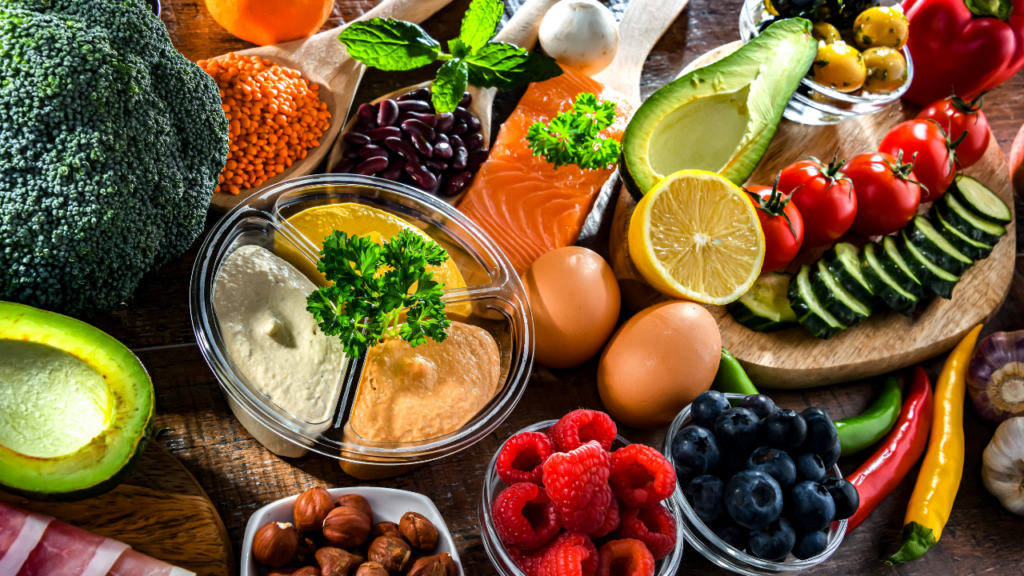
Eating a balanced diet is one of the simplest ways to support your health. It doesn’t mean following a strict eating plan or giving up your favorite foods. Instead, it means choosing a variety of nutritious foods that give your body the energy and nutrients it needs every day. A balanced diet can help you maintain a healthy weight, reduce your risk of chronic diseases, and improve your overall well-being.
Rather than focusing on one “superfood,” experts recommend eating foods from different food groups. Each group provides unique nutrients that work together to keep your body functioning properly. Variety is the key to getting everything your body needs.
What Is a Balanced Diet?
A balanced diet includes the right mix of carbohydrates, protein, healthy fats, vitamins, minerals, fiber, and water. No single food contains every nutrient your body needs, so eating a wide range of foods is important.
A simple way to build balanced meals is to fill:
| Portion of Your Plate | Food Group |
|---|---|
| ½ | Fruits and vegetables |
| ¼ | Lean protein |
| ¼ | Whole grains |
| Side | Dairy or a calcium-rich alternative |
| Small amount | Healthy fats |
This plate method makes meal planning easier and helps you naturally include a variety of nutrients.
Why Eating Balanced Foods Matters
The foods you eat affect almost every part of your body. A nutritious diet provides steady energy, supports growth and repair, and helps protect against illness.
Benefits include:
- Better heart health
- Stronger bones and muscles
- Improved digestion
- Healthier body weight
- Better brain function
- Stronger immune system
- Lower risk of type 2 diabetes
- Reduced risk of high blood pressure
- Better cholesterol levels
- Longer, healthier life
The Best Foods for a Balanced Diet
1. Colorful Fruits
Fruits provide natural sugars for energy along with vitamins, minerals, antioxidants, and fiber. Eating different colors helps you get a wider range of nutrients.
Good choices include:
- Apples
- Oranges
- Bananas
- Blueberries
- Strawberries
- Grapes
- Kiwi
- Mangoes
- Pears
- Pineapple
Aim for whole fruits more often than fruit juice because whole fruits contain more fiber and help you feel full longer.
2. Vegetables
Vegetables are among the most nutrient-rich foods you can eat. They are naturally low in calories while providing vitamins, minerals, fiber, and plant compounds that support long-term health.
Choose a variety such as:
- Spinach
- Kale
- Broccoli
- Carrots
- Bell peppers
- Tomatoes
- Sweet potatoes
- Cauliflower
- Brussels sprouts
- Green beans
Eating vegetables at every meal is an easy way to improve the quality of your diet.
3. Whole Grains
Whole grains keep all parts of the grain, making them richer in fiber and nutrients than refined grains. They provide lasting energy and help support healthy digestion.
Healthy options include:
- Brown rice
- Oats
- Quinoa
- Whole wheat bread
- Whole wheat pasta
- Barley
- Bulgur
- Millet
Replacing refined grains with whole grains can improve blood sugar control and support heart health.
4. Lean Protein
Protein helps build muscles, repair tissues, produce hormones, and support your immune system. Including protein at each meal can also help you stay satisfied longer.
Choose foods like:
- Chicken breast
- Turkey
- Fish
- Eggs
- Beans
- Lentils
- Tofu
- Tempeh
- Greek yogurt
- Cottage cheese
Plant-based proteins such as beans and lentils also provide fiber, making them especially nutritious.
5. Healthy Fats
Your body needs healthy fats for brain function, hormone production, and absorbing certain vitamins. The goal is to choose mostly unsaturated fats while limiting saturated and trans fats.
Healthy fat sources include:
- Avocados
- Olive oil
- Walnuts
- Almonds
- Pistachios
- Chia seeds
- Flaxseeds
- Sunflower seeds
These foods can support heart health when eaten as part of an overall balanced eating pattern.
6. Fish Rich in Omega-3 Fatty Acids
Fatty fish provide protein and omega-3 fatty acids that support heart and brain health. Many health organizations recommend eating fish at least twice a week.
Good choices include:
- Salmon
- Sardines
- Mackerel
- Trout
- Herring
If you don’t eat fish, plant foods like walnuts, chia seeds, and flaxseeds also provide omega-3 fats, although in a different form.
7. Dairy or Calcium-Rich Alternatives
Milk products provide calcium, protein, vitamin D, and other nutrients that help maintain strong bones and teeth.
Healthy options include:
- Low-fat milk
- Plain yogurt
- Greek yogurt
- Cottage cheese
- Fortified soy milk
- Fortified almond milk
Choose unsweetened products whenever possible to reduce added sugar.
8. Beans and Legumes
Beans are affordable, filling, and packed with nutrients. They are an excellent source of plant protein, fiber, iron, and several important vitamins and minerals.
Try adding:
- Black beans
- Kidney beans
- Chickpeas
- Lentils
- Split peas
- Navy beans
Beans fit into many eating styles, including vegetarian and vegan diets.
9. Nuts and Seeds
A small handful of nuts or seeds makes a nutritious snack. They provide healthy fats, protein, fiber, and minerals like magnesium and zinc.
Healthy choices include:
- Almonds
- Walnuts
- Cashews
- Pecans
- Pumpkin seeds
- Sesame seeds
- Chia seeds
- Flaxseeds
Because they are calorie-dense, enjoy them in moderate portions.
10. Water
Water is often overlooked, but it is an essential part of a balanced diet. It helps regulate body temperature, transport nutrients, support digestion, and keep your body hydrated.
Simple ways to stay hydrated include:
- Drink water throughout the day.
- Carry a reusable water bottle.
- Eat water-rich foods like cucumbers, watermelon, and oranges.
- Limit sugary drinks.
Foods to Limit
A balanced diet doesn’t require eliminating foods you enjoy. Instead, try to limit foods that are high in added sugars, sodium, and unhealthy fats.
Examples include:
- Sugary drinks
- Candy
- Cakes and pastries
- Fried foods
- Processed meats
- Fast food
- Chips
- Highly processed snacks
These foods can still fit into your diet occasionally, but they shouldn’t make up most of your meals.
Simple Tips for Eating a Balanced Diet
Small changes can make healthy eating easier and more sustainable.
- Fill half your plate with fruits and vegetables.
- Choose whole grains instead of refined grains.
- Include lean protein at every meal.
- Add healthy fats in moderation.
- Drink plenty of water.
- Plan meals ahead of time.
- Read nutrition labels.
- Cook more meals at home.
- Eat slowly and pay attention to hunger and fullness.
- Focus on consistency instead of perfection.
Frequently Asked Questions
| Question | Answer |
|---|---|
| What is the healthiest food? | There is no single healthiest food. Eating a variety of nutrient-rich foods is more important than relying on one food. |
| How many meals should I eat each day? | Meal timing varies by person. Focus on balanced meals that fit your schedule and nutritional needs. |
| Can I eat treats on a balanced diet? | Yes. Enjoying treats occasionally can fit into a healthy eating pattern when most of your diet consists of nutritious foods. |
| Is a balanced diet expensive? | Not necessarily. Frozen vegetables, beans, oats, brown rice, eggs, and seasonal produce are nutritious and budget-friendly options. |
Final Thoughts
The best foods for a balanced diet are simple, wholesome, and varied. Fruits, vegetables, whole grains, lean proteins, healthy fats, beans, dairy or fortified alternatives, and plenty of water all play an important role. Instead of chasing the latest diet trend, focus on building meals with a variety of nutritious foods that you enjoy. Over time, these everyday choices can support better energy, a healthier body, and a lower risk of many chronic diseases.
References
- Cleveland Clinic. Balanced Diet: What Is It and How to Achieve It. Available at: https://health.clevelandclinic.org/balanced-diet
- Healthline. Balanced Diet: What Is It and How to Achieve It. Available at: https://www.healthline.com/health/balanced-diet
- World Health Organization (WHO). Healthy Diet – Fact Sheet. Available at: https://www.who.int/news-room/fact-sheets/detail/healthy-diet
- Mayo Clinic Diet. The Mayo Clinic Diet: Personalized Plan. Available at: https://diet.mayoclinic.org/us/personalized-plan
- Science News Today. What Is a Balanced Diet? The Simple Science Behind Eating Right. Available at: https://www.sciencenewstoday.org/what-is-a-balanced-diet-the-simple-science-behind-eating-right
- WebMD. What Is a Balanced Diet? Available at: https://www.webmd.com/diet/what-is-a-balanced-diet
- Momin, M. A., et al. (2023). Balanced Diet. ResearchGate. Available at: https://www.researchgate.net/publication/367340201_Balanced_Diet
- National Center for Biotechnology Information (NCBI). Healthy Diet and Human Health: An Overview. Nutrients. Available at: https://pmc.ncbi.nlm.nih.gov/articles/PMC9785741/