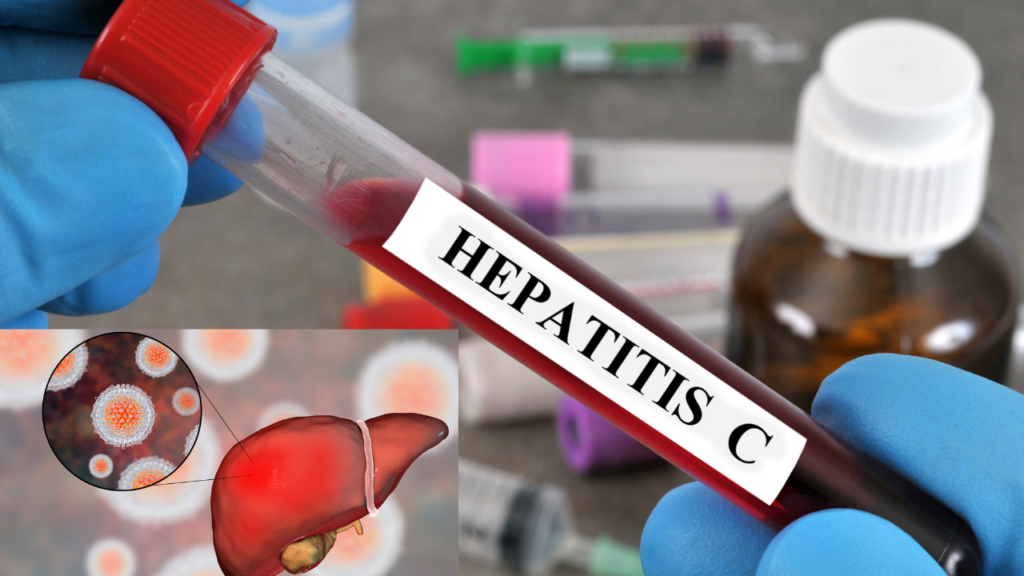
What Is Hepatitis C?
Hepatitis C is a liver infection caused by the hepatitis C virus (HCV). It is primarily spread when blood containing HCV enters another person’s bloodstream.
The infection can be acute, meaning it occurs during the first several months after exposure, or chronic, meaning the virus remains in the body for a longer period. Without treatment, chronic hepatitis C can gradually damage the liver and increase the risk of complications such as cirrhosis, liver failure, and liver cancer.
One of the most important things to understand is that hepatitis C can exist without obvious symptoms. A person may feel healthy for years while the infection continues to affect the liver. This is why testing is so important.
Why Hepatitis C Matters
Hepatitis C is no longer the condition it was decades ago.
Modern antiviral medicines called direct-acting antivirals (DAAs) can cure more than 95% of people with hepatitis C, generally with an oral treatment course lasting about 8–12 weeks.
This means an important shift has occurred:
Finding hepatitis C early and connecting people with treatment can prevent many of its long-term complications.
A 2025 state-of-the-art review also emphasized that expanding screening and treatment is central to reducing the burden of HCV.
Acute vs. Chronic Hepatitis C
| Type | What it means | What to know |
|---|---|---|
| Acute hepatitis C | Infection during the first 6 months after exposure | May cause few or no symptoms |
| Chronic hepatitis C | Infection that remains in the body | Can gradually cause liver damage if untreated |
Some people clear the virus naturally after an acute infection, but many develop chronic infection. Because symptoms are often absent, laboratory testing is necessary to determine whether the virus is present.
What Are the Symptoms of Hepatitis C?
Many people with hepatitis C do not have noticeable symptoms.
When symptoms occur during acute infection, they may include:
- Fatigue
- Fever
- Loss of appetite
- Nausea
- Vomiting
- Abdominal discomfort
- Joint pain
- Dark urine
- Clay-colored stools
- Yellowing of the skin or eyes, known as jaundice
Chronic hepatitis C may remain silent for years. When liver damage becomes more advanced, symptoms can include fatigue, easy bruising or bleeding, itching, swelling in the legs or abdomen, weight loss, jaundice, and changes in mental alertness.
Important point
You cannot reliably identify hepatitis C from symptoms alone.
Someone can have hepatitis C and feel completely well.
How Does Hepatitis C Spread?
Hepatitis C is primarily a blood-borne infection.
It can spread when infected blood enters another person’s body. Examples include:
- Sharing needles, syringes, or other injection equipment
- Accidental needlestick exposure
- Using nonsterile equipment for tattoos or piercings
- Sharing razors or toothbrushes that may contain blood
- Receiving blood or organs that were infected before widespread screening was implemented
- Being born to a mother with hepatitis C
Sexual transmission can occur, although the risk is generally lower than transmission through blood exposure. Certain circumstances can increase that risk.
How hepatitis C is NOT commonly spread
Hepatitis C is not spread through ordinary household contact.
There is no evidence that it spreads through:
- Hugging
- Holding hands
- Coughing
- Sneezing
- Sharing food
- Sharing eating utensils
- Drinking water
- Casual social interaction
People with hepatitis C do not need to avoid normal family, workplace, or social activities simply because they have the infection.
Who Should Get Tested for Hepatitis C?
Current U.S. guidance recommends hepatitis C screening for all adults ages 18–79, including people who do not have symptoms or known liver disease.
Testing is particularly important if you have had potential exposure to HCV.
Risk factors include:
- Current or previous injection drug use
- A tattoo or piercing performed with potentially nonsterile equipment
- Certain healthcare-related blood exposures
- Long-term hemodialysis
- HIV infection
- Abnormal liver tests
- Receiving blood transfusions or organ transplants before widespread HCV screening
- Being born to someone who had hepatitis C
- Other known blood exposure
For adults 35–70, this is especially relevant because hepatitis C may have been acquired many years before symptoms appear.
If you have never been tested, ask a healthcare professional whether hepatitis C screening is appropriate for you.
How Is Hepatitis C Diagnosed?
Hepatitis C testing generally involves blood tests.
Step 1: HCV antibody test
The first test looks for antibodies to hepatitis C.
A positive or reactive antibody result means that the person has been exposed to HCV at some point. It does not by itself prove that the virus is currently active.
Step 2: HCV RNA test
If the antibody test is reactive, an HCV RNA test can determine whether hepatitis C virus is currently detectable in the blood.
This distinction is important because some people may have been infected in the past and cleared the virus, while others have an ongoing infection.
Can Hepatitis C Be Cured?
Yes. Hepatitis C can be cured.
Modern treatment uses direct-acting antiviral medicines. These medications target the virus and prevent it from reproducing.
For most people, treatment consists of oral medication taken for approximately 8–12 weeks, and cure rates are greater than 95%.
A person is generally considered cured when HCV RNA remains undetectable after treatment according to established clinical criteria.
Why treatment should not be delayed
Untreated chronic hepatitis C can cause progressive liver damage.
Over time, this can lead to:
- Liver fibrosis
- Cirrhosis
- Liver failure
- Liver cancer
Treatment can substantially reduce the risk of these complications, making diagnosis and timely care important.
Does a Healthy Diet Cure Hepatitis C?
No.
There is currently no food, juice, tea, herb, supplement, or special diet that has been established as a cure for hepatitis C.
The treatment that eliminates HCV is antiviral medication prescribed by a qualified healthcare professional.
However, nutrition and lifestyle habits still matter because they can support overall health and help protect the liver while a person receives appropriate medical care.
CDC guidance recommends eating a well-balanced diet, staying physically active, avoiding excessive alcohol intake, and discussing medicines and nutritional supplements with a healthcare professional.
What Should You Eat If You Have Hepatitis C?
Rather than searching for a single “hepatitis C food,” focus on an overall balanced eating pattern.
Practical choices can include:
Vegetables and fruits
Choose a variety of vegetables and fruits to provide fiber, vitamins, minerals, and other nutrients.
Examples include:
- Leafy greens
- Broccoli
- Carrots
- Tomatoes
- Berries
- Apples
- Oranges
- Other colorful produce
Whole grains
Options such as:
- Oatmeal
- Brown rice
- Whole-grain bread
- Barley
- Quinoa
can provide fiber and other nutrients.
Protein-rich foods
Depending on individual dietary needs, useful choices may include:
- Fish
- Eggs
- Beans
- Lentils
- Poultry
- Tofu
- Nuts and seeds
Healthy fats
Foods such as nuts, seeds, avocados, and certain fish can be part of a balanced eating pattern.
The goal is not a restrictive “liver detox.” The goal is a sustainable, nutrient-rich diet that supports overall health.
Be Careful With Herbal Remedies and Supplements
Natural does not automatically mean safe for the liver.
Some herbal products and dietary supplements can affect the liver or interact with prescription medications.
This is particularly important if you are receiving hepatitis C treatment because drug interactions can affect how antiviral medicines work.
Talk with your healthcare professional before starting a new supplement, herbal product, over-the-counter medication, or prescription medicine. CDC guidance specifically recommends discussing these products with a clinician.
Evidence status
Established: Hepatitis C requires appropriate antiviral treatment when active infection is present.
Established: A balanced diet and healthy lifestyle are appropriate components of overall care.
Not established: Specific foods, herbs, juices, or supplements can eradicate HCV.
Claims that a particular “detox,” tea, herb, or food can cure hepatitis C should therefore be treated cautiously unless supported by strong clinical evidence.
What About Alcohol and Hepatitis C?
Alcohol deserves special attention because both hepatitis C and alcohol can affect the liver.
CDC recommends avoiding excessive alcohol intake in people with hepatitis C. Clinical guidance also emphasizes reducing alcohol-related liver injury.
If you have hepatitis C, discuss alcohol use with your healthcare professional rather than assuming that a particular amount is safe for your individual situation.
Is There a Vaccine for Hepatitis C?
No hepatitis C vaccine is currently available.
Vaccines do exist for hepatitis A and hepatitis B.
Healthcare professionals may recommend hepatitis A and hepatitis B vaccination for people with hepatitis C when appropriate because preventing additional viral hepatitis infections can help protect the liver.
Researchers continue to investigate approaches that could eventually lead to an effective hepatitis C vaccine. Recent reviews identify vaccine development as an important area of ongoing research.
Can You Get Hepatitis C Again After Being Cured?
Yes.
Successful treatment can eliminate an existing hepatitis C infection, but it does not create immunity against future infection.
A person who has been cured can become infected again if exposed to HCV.
Therefore, prevention remains important even after successful treatment.
How Can Hepatitis C Be Prevented?
Because there is no vaccine, prevention focuses on reducing exposure to infected blood.
Practical steps include:
- Never share needles or injection equipment.
- Avoid sharing razors or toothbrushes that may contain blood.
- Choose tattoo and piercing facilities that use sterile equipment.
- Follow appropriate infection-control procedures for medical and dental care.
- Discuss sexual risk factors with a healthcare professional.
- If you have hepatitis C, follow medical advice for preventing transmission to others.
- Get tested if you may have been exposed.
Hepatitis C and Everyday Life
Having hepatitis C does not mean you need to isolate yourself from family and friends.
Normal activities such as:
- Hugging
- Holding hands
- Eating together
- Sharing a home
- Working together
- Attending school or social events
do not transmit hepatitis C.
The important concern is preventing infected blood from entering another person’s bloodstream.
Hepatitis C and Liver Health: Practical Habits
If you have been diagnosed with hepatitis C, focus on habits that complement—not replace—medical treatment.
1. Follow your treatment plan
Take antiviral medication exactly as prescribed.
2. Eat a balanced diet
Build meals around vegetables, fruits, whole grains, and appropriate sources of protein.
3. Stay physically active
Regular physical activity can support general health and is recommended as part of healthy living during hepatitis C care.
4. Avoid excessive alcohol
Alcohol can add additional stress to an already affected liver.
5. Review supplements and medications
Always tell your healthcare professional about prescription drugs, over-the-counter medicines, vitamins, and herbal products.
6. Ask about hepatitis A and B vaccination
Your healthcare professional can determine whether vaccination is appropriate for you.
7. Keep recommended follow-up appointments
People with advanced liver disease, particularly cirrhosis, may need ongoing liver monitoring even after hepatitis C has been cured.
Common Questions About Hepatitis C
Can you have hepatitis C and feel healthy?
Yes. Many people have few or no symptoms, particularly during chronic infection.
Is hepatitis C contagious?
Yes. Hepatitis C is an infectious disease, but transmission primarily occurs through blood exposure rather than ordinary social contact.
Can hepatitis C go away on its own?
Some people clear an acute infection without treatment, but many develop chronic infection. Because waiting carries risks, people diagnosed with HCV should discuss treatment promptly with a healthcare professional.
Can hepatitis C be cured naturally?
There is no established natural food, herb, supplement, or detox program that cures hepatitis C. Modern antiviral treatment is the evidence-based approach to eliminating active HCV infection.
Can hepatitis C cause liver cancer?
Yes. Long-term untreated infection can cause cirrhosis and increase the risk of liver cancer.
Can you get hepatitis C from sharing food?
No evidence indicates that hepatitis C spreads through sharing food, utensils, hugging, kissing, or other routine social interactions.
Can hepatitis C come back after treatment?
The original infection can be cured, but a person can become infected again after a new exposure.
Is hepatitis C the same as hepatitis A or hepatitis B?
No. They are different viral infections. Their methods of transmission, prevention, and treatment differ.
When Should You Talk to a Healthcare Professional?
Consider discussing hepatitis C testing with a healthcare professional if:
- You have never been screened.
- You think you may have been exposed to infected blood.
- You have a history of injection drug use.
- You received a blood transfusion or organ transplant before widespread HCV screening.
- You have unexplained abnormal liver tests.
- You have symptoms that could indicate liver disease.
- You have been told that you have hepatitis C antibodies.
- You are taking supplements or medicines and have hepatitis C.
- You have already been diagnosed and have not started treatment.
If an HCV antibody test is positive, remember that the antibody result alone does not establish an active infection. HCV RNA testing is used to determine whether the virus is currently detectable.
The Bottom Line
Hepatitis C is a serious viral infection, but it is also highly treatable and curable.
The biggest challenge is often knowing that the infection is present. Many people have no symptoms for years, allowing liver damage to develop silently.
For adults, especially those who have never been screened or who have possible risk factors, testing can provide an important answer.
If hepatitis C is detected, modern antiviral medicines can cure more than 95% of people in many cases. A balanced diet, regular physical activity, limiting alcohol, and careful use of medications and supplements can support overall liver health—but these lifestyle measures should complement, not replace, antiviral treatment.
Hepatitis C is not something to manage with a “liver detox” alone. Test, confirm, treat, and protect your liver.
Editorial safety note: This article is educational and is not a substitute for diagnosis or individualized medical care. People who have hepatitis C or believe they may have been exposed should speak with a qualified healthcare professional.
Primary Sources
- CDC — Hepatitis C Basics
- CDC — Treatment of Hepatitis C
- CDC — Clinical Care of Hepatitis C
- CDC — Clinical Screening and Diagnosis for Hepatitis C
- CDC National Prevention Information Network — Hepatitis C Basics
- Mayo Clinic — Hepatitis C: Symptoms and Causes
- PubMed — State-of-the-Art Review: Hepatitis C
- PMC — Hepatitis C: Current Treatments, Emerging Therapies and Tackling Health Inequities
- PMC — Hepatitis C: Review of the Epidemiology, Clinical Care, and Continued Challenges