
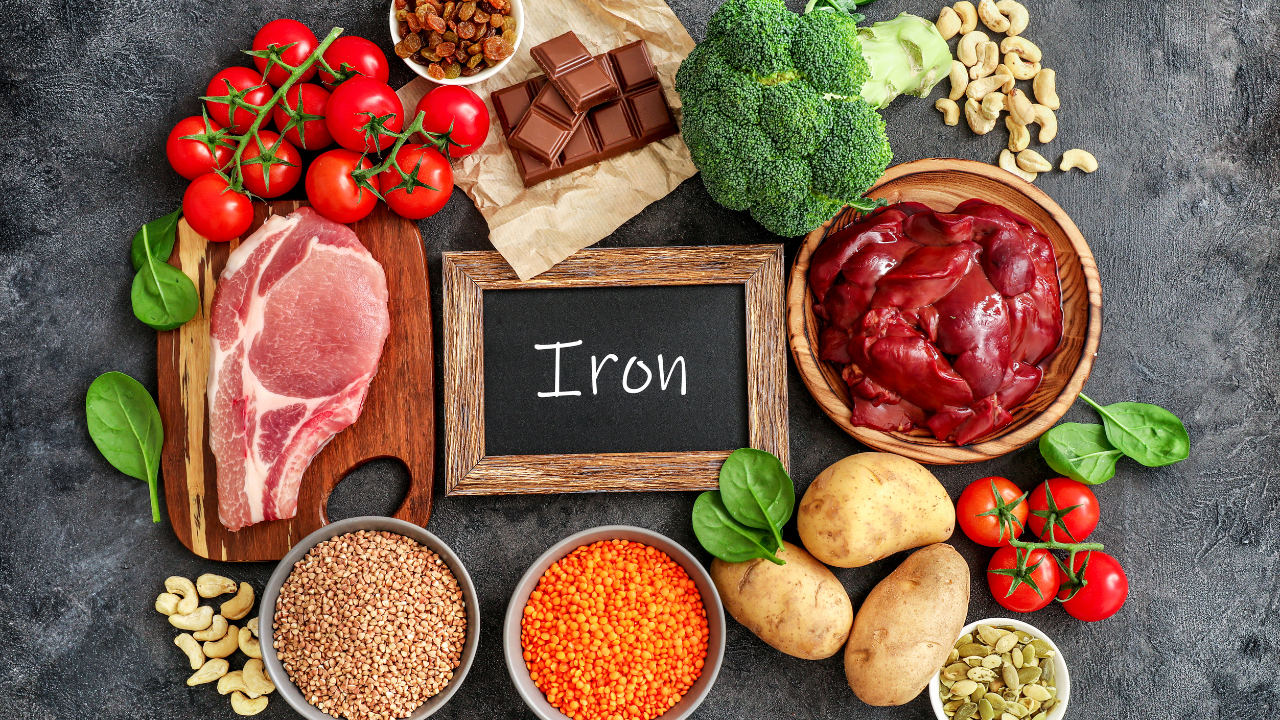
Iron is an essential nutrient that your body needs to stay healthy. Its main job is to help red blood cells carry oxygen to all parts of your body. Because your body cannot make iron on its own, you must get it from the foods you eat. Adults usually need between 8 and 18 milligrams of iron each day, depending on age and gender. If you do not get enough iron from food, you can develop iron deficiency, which may lead to anemia.
This can cause symptoms like tiredness, weakness, and trouble concentrating. Women who menstruate are at a higher risk because they lose iron each month. Eating iron-rich foods such as red meat, fortified foods, and green vegetables helps support important body functions and keeps your energy levels strong.
1. Shellfish
Shellfish are both tasty and very nutritious, especially when it comes to iron. Clams, oysters, and mussels are some of the best sources. The iron found in shellfish is called heme iron, which the body absorbs more easily than the iron found in plant foods. This makes shellfish a strong choice for helping meet daily iron needs. In addition to iron, shellfish provide many other important nutrients.
They are high in protein and rich in vitamin B12, which supports nerve and blood health. Shellfish also contain omega-3 fatty acids that help support heart health and reduce inflammation. When eaten in safe amounts, such as two to three servings per week from recommended choices, shellfish can be a healthy and valuable part of a balanced diet.
2. Liver and other organ meats
Liver and other organ meats are some of the most nutritious foods you can eat. They are very high in iron, which helps red blood cells carry oxygen through the body. A small serving of beef liver provides a large amount of iron, making it especially helpful for people who need to increase their iron levels.
Organ meats also supply many other important nutrients. They are rich in protein, B vitamins, selenium, and copper. Liver is especially high in vitamin A and choline, which support brain and liver health. Including organ meats in meals can help the body get many essential nutrients at once.
Red meat such as beef, bison, and venison is another strong source of iron. The iron in red meat is heme iron, which the body absorbs more easily than plant-based iron. Eating red meat can help meet daily iron needs while also supporting energy levels.
In addition to iron, red meat provides vitamin B12, zinc, selenium, and high-quality protein. These nutrients support muscle strength, immune function, and overall health. When eaten in balanced amounts, red meat can be a helpful part of an iron-rich diet.
3. Legumes
Legumes are very nutritious foods that include beans, lentils, chickpeas, peas, and soybeans. They are a great source of iron, especially for people who do not eat meat. Lentils and beans contain non-heme iron, which helps support healthy blood and energy levels. They also provide important nutrients like protein, fiber, folate, magnesium, and potassium.
Legumes also offer many health benefits beyond iron. They can help reduce inflammation, support heart health, and promote healthy digestion. Because they are high in fiber, legumes help you feel full longer and may support weight control. To absorb more iron from legumes, it is helpful to eat them with vitamin C–rich foods like tomatoes, leafy greens, or citrus fruits.
4. Red meat
Red meat is a filling and nutritious food that provides a good amount of iron. A small serving of beef contains heme iron, which is the type of iron the body absorbs most easily. Because of this, people who regularly eat meat, poultry, or fish are less likely to develop iron deficiency or anemia.
In addition to iron, red meat is rich in protein, B vitamins, zinc, and selenium, which support muscle strength, energy, and immune health. Foods like beef, bison, and venison can help meet daily iron needs when eaten in balanced portions. Including moderate amounts of red meat in a healthy diet can support overall nutrition and help prevent low iron levels.
5. Soy Products {Tofu}
Tofu is a soy-based food that is popular with vegetarians and people who follow plant-based diets. It is a good source of non-heme iron, which helps support healthy blood and energy levels. A half-cup serving of tofu provides a helpful amount of iron and also supplies a large amount of protein, making it a filling and nutritious food.
In addition to iron, tofu contains important minerals such as calcium, magnesium, and selenium. It also includes natural compounds called isoflavones, which may support heart health and help improve how the body uses insulin. Soy foods like tofu and edamame can be a healthy way to meet iron and protein needs, especially for people who do not eat meat.
6. Cocoa Products {dark chocolate}
Cocoa products, especially dark chocolate, are rich in iron and other helpful nutrients. A small serving of dark chocolate provides a good amount of iron, which helps the body carry oxygen in the blood. Cocoa products also contain magnesium and antioxidants that protect cells from damage and support overall health.
Dark chocolate also offers benefits for the heart and digestion. It contains prebiotic fiber that helps healthy bacteria grow in the gut and may improve cholesterol levels. For the best health benefits, dark chocolate with at least 70% cocoa is recommended, since it has more helpful compounds than milk chocolate. When eaten in moderation, dark chocolate can be a tasty and nutritious way to boost iron intake.
7. Fish
Fish is a healthy and nutritious food that provides iron along with many other important nutrients. Some types of fish, such as tuna, sardines, haddock, and mackerel, contain helpful amounts of iron that support healthy blood and energy levels. Iron from fish helps red blood cells carry oxygen throughout the body, which is important for daily activities and growth.
Fish is also rich in omega-3 fatty acids, which support brain health, strengthen the immune system, and help the heart. In addition, fish provides vitamins and minerals like vitamin B12, niacin, and selenium. Choosing a variety of fish and following safety guidelines helps reduce mercury exposure while allowing you to enjoy the many health benefits fish offers.
8. Poultry
Poultry such as chicken, turkey, and duck is a good source of iron, even though it contains less iron than red meat. Dark meat has more iron than white meat, making it a better choice for boosting iron intake. Poultry also provides important nutrients like B vitamins and selenium, which support energy levels and immune health.
Turkey is especially nutritious, with dark turkey meat offering more iron and protein than white meat. It also supplies zinc and selenium, which help the body fight infections and maintain muscle strength. Because poultry is high in protein, it can help you feel full longer and support healthy weight management. Including poultry in meals is a healthy way to add iron and other essential nutrients to your diet.
9. Spinach
Spinach is a low-calorie vegetable that provides many important nutrients, including iron. A small serving of raw spinach contains a helpful amount of non-heme iron, which supports healthy blood and energy levels. Even though this type of iron is not absorbed as easily, spinach also contains vitamin C, which helps the body absorb more iron.
Spinach is also rich in antioxidants called carotenoids that help protect the body from disease. These antioxidants support eye health, reduce inflammation, and may lower the risk of certain cancers. Eating spinach with healthy fats, such as olive oil, helps the body absorb these nutrients better, making spinach a powerful and healthy addition to meals.
10. Pumpkin seeds
Pumpkin seeds are a tasty and easy snack that provides a good amount of iron. A small serving contains enough iron to help support healthy blood and energy levels. This makes pumpkin seeds a simple way to add more iron to your diet, especially for people who prefer plant-based foods.
In addition to iron, pumpkin seeds are rich in important nutrients like magnesium, zinc, vitamin K, and manganese. Magnesium helps support healthy blood sugar levels, mood, and heart health. Eating pumpkin seeds regularly can help fill nutrient gaps and support overall wellness.
11. Quinoa
Quinoa is a nutritious grain-like food that provides a good amount of iron. One cup of cooked quinoa supplies iron that helps the body make healthy red blood cells and carry oxygen. Because quinoa is gluten-free, it is a safe and healthy option for people with gluten intolerance or celiac disease.
In addition to iron, quinoa is high in protein and contains important nutrients like folate, magnesium, and other minerals. It also has antioxidants that protect cells from damage and support overall health. Adding quinoa to meals is an easy way to increase iron intake while enjoying a balanced and nutritious diet.
12. Broccoli
Broccoli is a healthy vegetable that provides iron along with many other important nutrients. One cup of cooked broccoli contains iron that helps support healthy blood. Broccoli is also very high in vitamin C, which helps the body absorb iron more effectively.
In addition to iron, broccoli supplies fiber, folate, and vitamin K, which support digestion and overall health. As a cruciferous vegetable, broccoli contains plant compounds that may help protect the body from certain cancers. Adding broccoli to meals is an easy way to boost nutrition and support long-term health.
13. Sprouted Grains
Sprouted grains are a healthy source of iron and other nutrients. Regular whole grains contain substances called phytates that can block iron absorption. Sprouting grains by soaking them in water helps reduce these phytates, making it easier for the body to absorb iron.
Some sprouted grains are especially rich in iron. Amaranth provides a large amount of iron in one serving, while quinoa also offers a helpful boost. Eating sprouted grains can support healthy blood levels and is a smart choice for people who rely on plant-based iron sources.
14. Nuts and Seeds
Nuts and seeds are a simple and healthy way to increase iron intake. They contain non-heme iron, which helps support healthy blood and energy levels. Adding small amounts of nuts and seeds to meals or snacks can help people meet their daily iron needs, especially those who follow plant-based diets.
Besides iron, nuts and seeds provide fiber, healthy fats, and plant-based protein. These nutrients support heart health, digestion, and overall wellness. Foods like sesame seeds and cashews are easy to include in daily meals and offer both nutrition and convenience.
15. Certain Fruit Products
Fruit is not usually a main source of iron, but some dried fruits and fruit juices can still provide helpful amounts. Dehydrated peaches, prune juice, and dried pears contain iron that can support healthy blood levels. These options can be useful for people looking to increase iron intake through plant-based foods.
In addition to iron, these fruit products also provide natural sugars and other nutrients. Dried fruits are easy to store and eat, making them a convenient snack. When included as part of a balanced diet, iron-containing fruit products can help support overall nutrition and energy levels.
16. Iron-Rich Vegetables
Green vegetables are healthy foods that provide iron along with many important nutrients. Vegetables like spinach, broccoli, Swiss chard, and beet greens contain plant-based iron that helps support healthy blood. These greens also supply folate and vitamin C, which help the body absorb iron and support overall health.
In addition to iron, green vegetables are rich in antioxidants that protect the body from damage and reduce inflammation. Eating a variety of iron-rich vegetables as part of daily meals can help improve energy levels and support long-term wellness. Pairing these vegetables with vitamin C–rich foods can further increase iron absorption.
Tips for Boosting Your Absorption
Boosting iron absorption is important, especially when iron comes from plant-based foods. Non-heme iron is harder for the body to absorb, but eating it with vitamin C can help. Vitamin C changes iron into a form that the body can use more easily.
Foods high in vitamin C include bell peppers, citrus fruits, and tomatoes. Adding these foods to meals with beans, grains, or vegetables can greatly improve iron absorption. This simple habit helps your body get more iron from the foods you already eat.
Like Sources
https://fdc.nal.usda.gov/fdc-app.html#/food-details/171975/nutrients
https://pubmed.ncbi.nlm.nih.gov/33805534/
https://pubmed.ncbi.nlm.nih.gov/31935448/
https://pubmed.ncbi.nlm.nih.gov/30332744/
https://pubmed.ncbi.nlm.nih.gov/35284849/
https://fdc.nal.usda.gov/fdc-app.html#/food-details/168250/nutrients
https://pubmed.ncbi.nlm.nih.gov/33499378/
https://pubmed.ncbi.nlm.nih.gov/33032084/
https://pubmed.ncbi.nlm.nih.gov/33032084/