
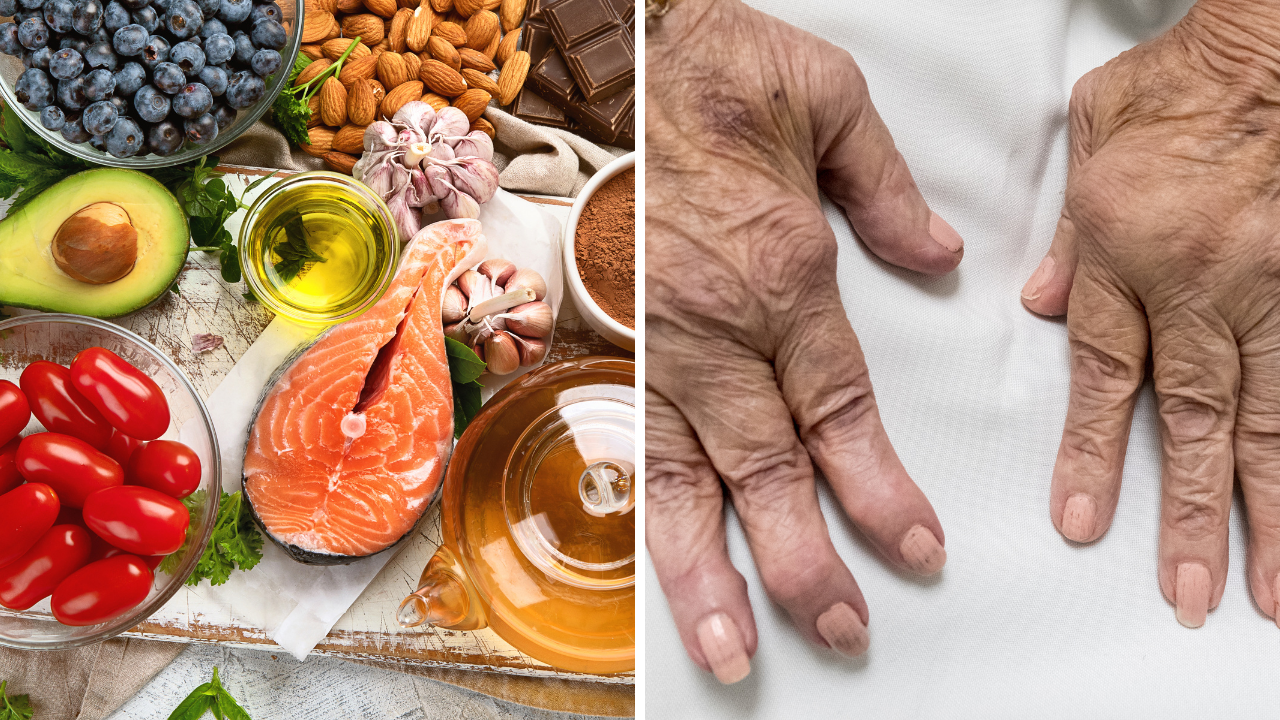
An anti-inflammatory diet can help reduce the pain and swelling caused by rheumatoid arthritis (RA). While it can’t replace medical treatment, the right foods can support your body’s natural defenses and make daily living more comfortable.
RA involves chronic inflammation that damages joints over time. By choosing foods that calm inflammation, you can help protect your joints and improve your overall health.
Studies show that more than 54 million U.S. adults live with arthritis—highlighting the importance of diet in managing joint health. Experts agree that anti-inflammatory eating is a natural, effective way to support treatment and reduce symptoms.
This approach focuses on:
- Whole, plant-based foods like fruits, vegetables, and whole grains
- Healthy fats from olive oil, avocados, and fatty fish
- Anti-inflammatory spices such as turmeric and ginger
At the same time, it limits foods that trigger inflammation—such as processed snacks, sugary drinks, and refined carbs.
In short, an anti-inflammatory diet is a simple but powerful way to help control rheumatoid arthritis, ease chronic pain, and promote long-term wellness.
Related Posts:
- what-are-rheumatoid-arthritis-and-osteoarthritis/
- What Is Rheumatoid Arthritis? Causes, Symptoms and Diagnosis
- Early Warning Signs of Rheumatoid Arthritis You Shouldn’t Ignore
Foods to eat on an RA diet
1. Fruits and Vegetables for Rheumatoid Arthritis
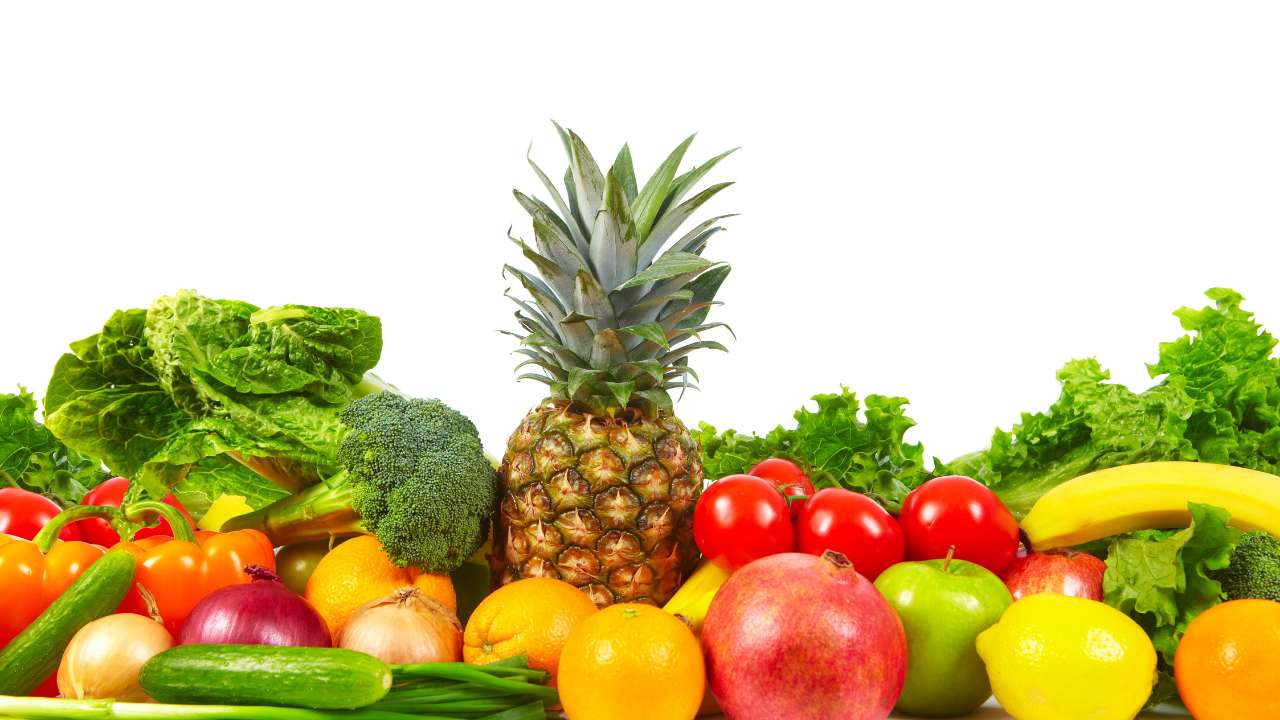
Fruits and vegetables are key to an anti-inflammatory diet for RA. They’re rich in antioxidants, vitamins, minerals, and polyphenols that help neutralize free radicals and lower C-reactive protein (CRP) — a marker of inflammation.
Aim for about nine servings daily (one cup of most fruits or vegetables, or two cups of leafy greens). Choose a colorful mix for the widest range of nutrients — the deeper the color, the more antioxidants it contains.
Top choices:
- Berries (cherries, blueberries, strawberries, raspberries) – packed with anthocyanins that reduce inflammation
- Citrus fruits (oranges, grapefruit, limes) – rich in vitamin C for joint protection
- Leafy greens (kale, spinach, broccoli, cabbage) – loaded with vitamin K, which lowers inflammation markers
For best results, eat fresh or frozen varieties with minimal added sugar and include a rainbow of produce daily to support joint and overall health.
2. Fatty Fish for Rheumatoid Arthritis
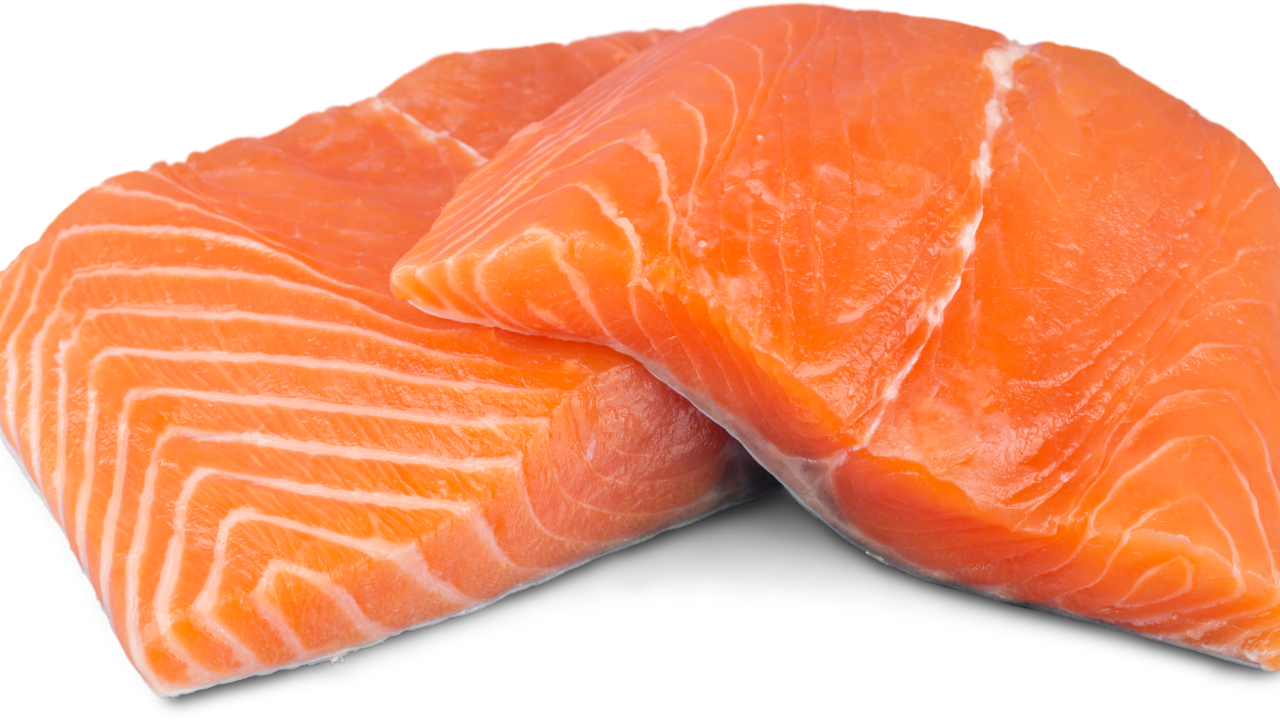
Cold-water fish like salmon, tuna, sardines, herring, anchovies, and scallops are rich in omega-3 fatty acids, which help reduce inflammation linked to rheumatoid arthritis (RA). Maintaining a healthy omega-3 to omega-6 balance is crucial, as too many omega-6s (found in processed and fried foods) can worsen inflammation.
Recommended intake: About 3–4 ounces of fish twice a week, though higher intake may offer additional benefits.
Research shows omega-3s lower C-reactive protein (CRP) and interleukin-6, both markers of inflammation. Fish oil supplements (600–1,000 mg daily) can also help reduce joint stiffness, swelling, and pain for those who don’t eat fish regularly.
3. Peas and Beans for Rheumatoid Arthritis
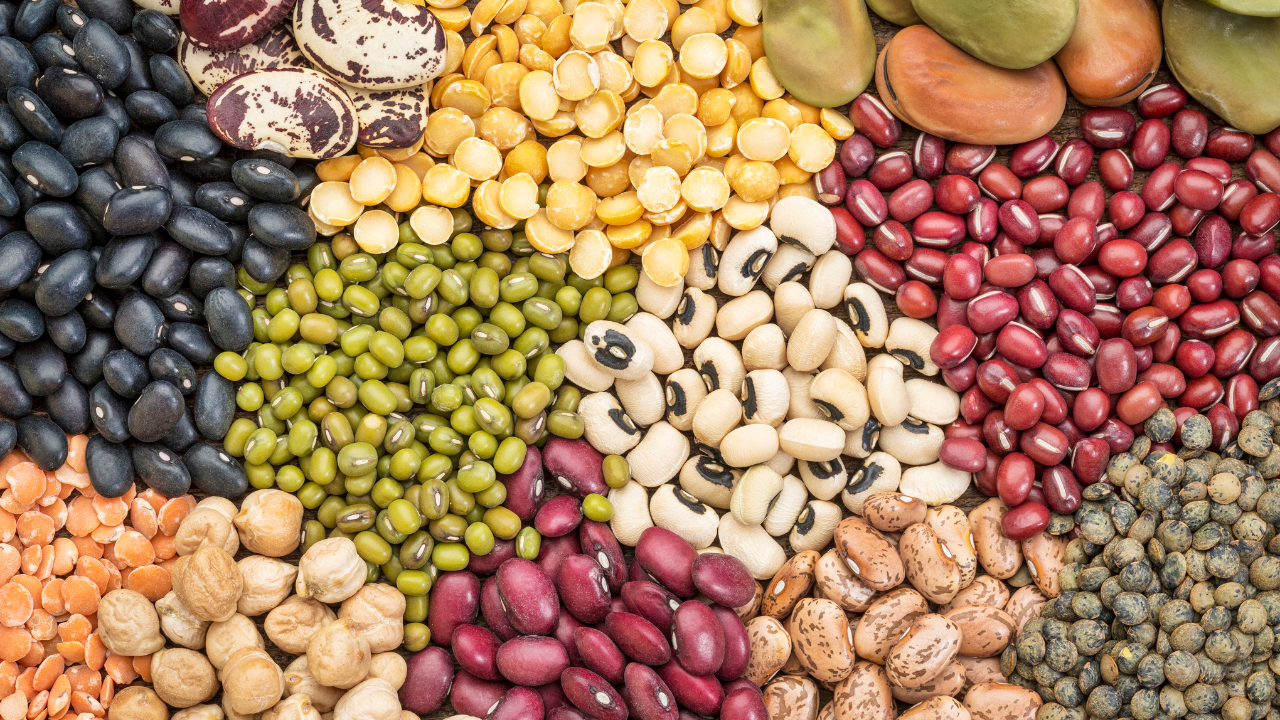
Legumes like black beans, kidney beans, garbanzo beans, pinto beans, and black-eyed peas provide high-quality protein that supports muscle health — important since RA can cause muscle loss. They’re also low in fat, rich in fiber, antioxidants, folic acid, magnesium, iron, zinc, and potassium, all of which support heart and immune function.
Recommended intake: About one cup twice a week or more.
Beans help lower C-reactive protein (CRP) levels, a key marker of inflammation. Studies show they contain powerful anti-inflammatory and antioxidant compounds, making them one of the best plant-based foods for reducing RA symptoms.
4. Whole Grains for Rheumatoid Arthritis
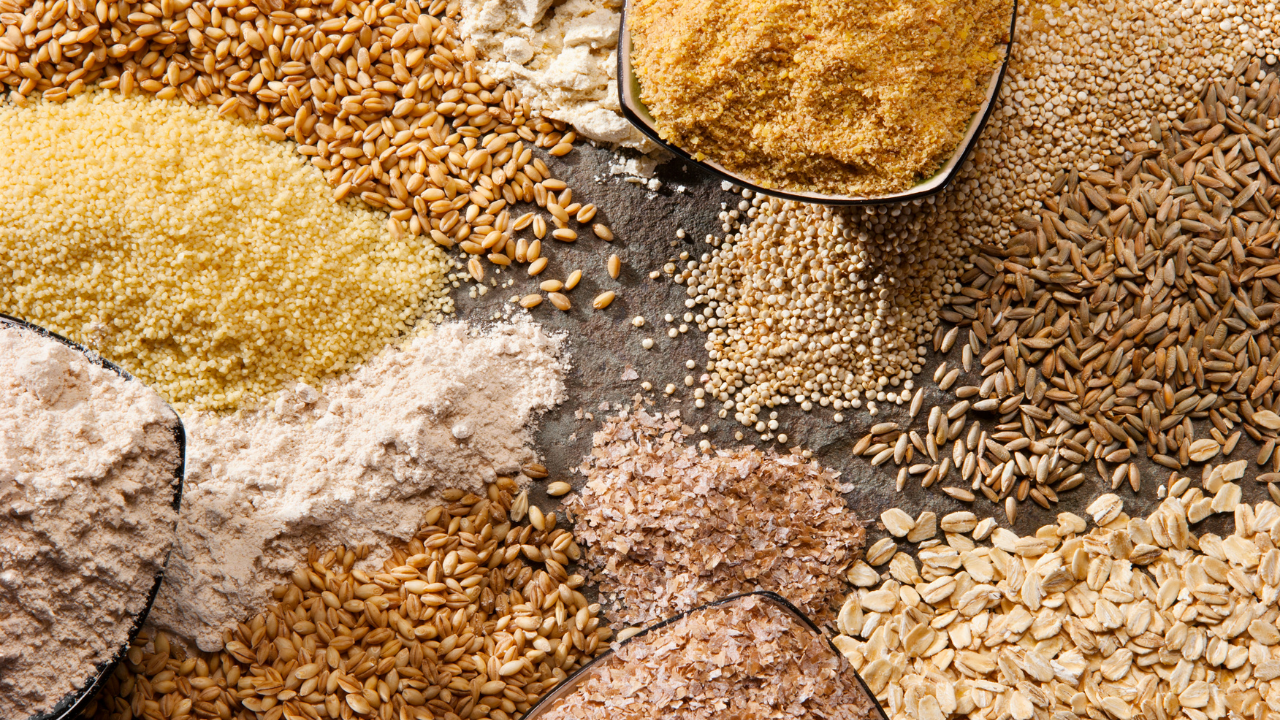
Whole grains like oats, brown rice, quinoa, bulgur, and whole wheat help lower inflammation and CRP levels, supporting heart health and reducing RA-related risks. They’re rich in fiber and nutrients, which promote fullness and help maintain a healthy weight — both key for managing joint stress.
Recommended intake: About six ounces of grains daily, with at least half from whole grains (e.g., ½ cup cooked brown rice or one slice of whole-wheat bread per ounce).
Choose foods labeled as 100% whole grain and avoid refined grains high in sugar or saturated fats. People sensitive to gluten should select gluten-free options like quinoa or brown rice.
5. Olive Oil for Rheumatoid Arthritis
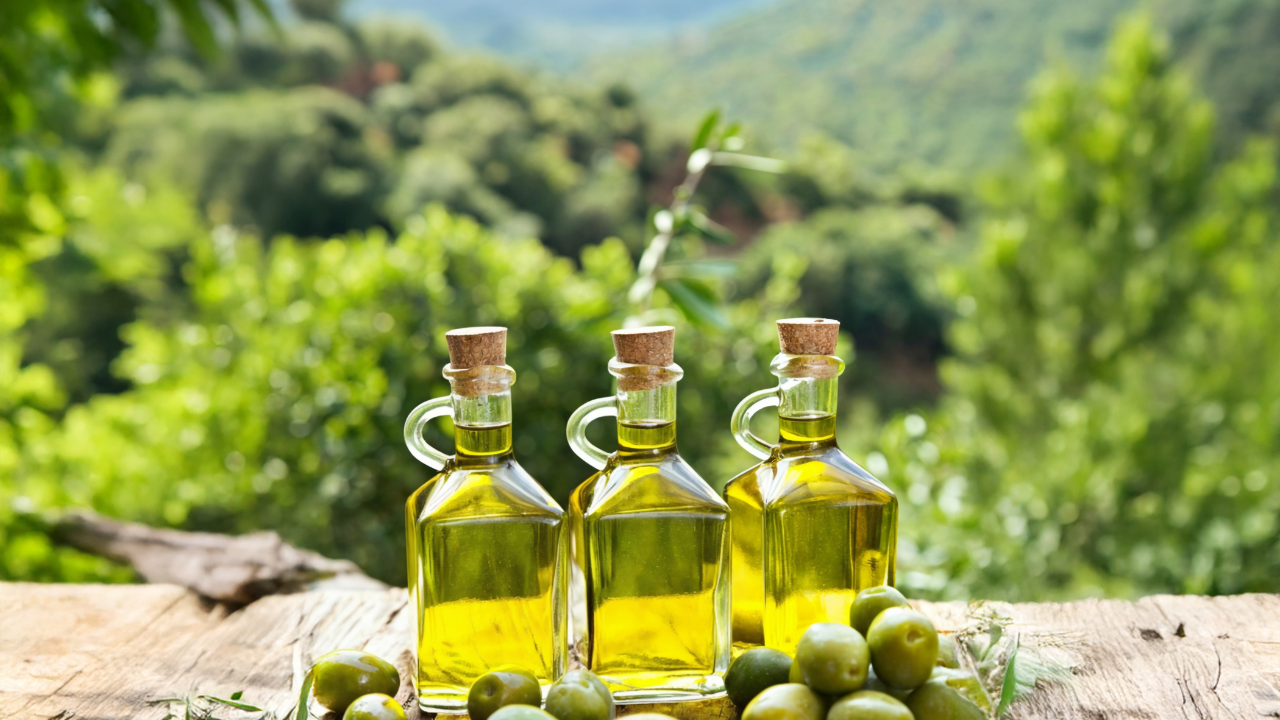
Olive oil is rich in monounsaturated fats and oleocanthal, a natural compound that mimics ibuprofen’s anti-inflammatory effects by blocking COX enzymes, reducing pain and inflammation.
Recommended intake: 2–3 tablespoons daily.
Use extra virgin olive oil for the best nutrient retention. Other healthy options include avocado, safflower, and walnut oils, which also support heart health and reduce inflammation.
6. Nuts & Seeds for Rheumatoid Arthritis
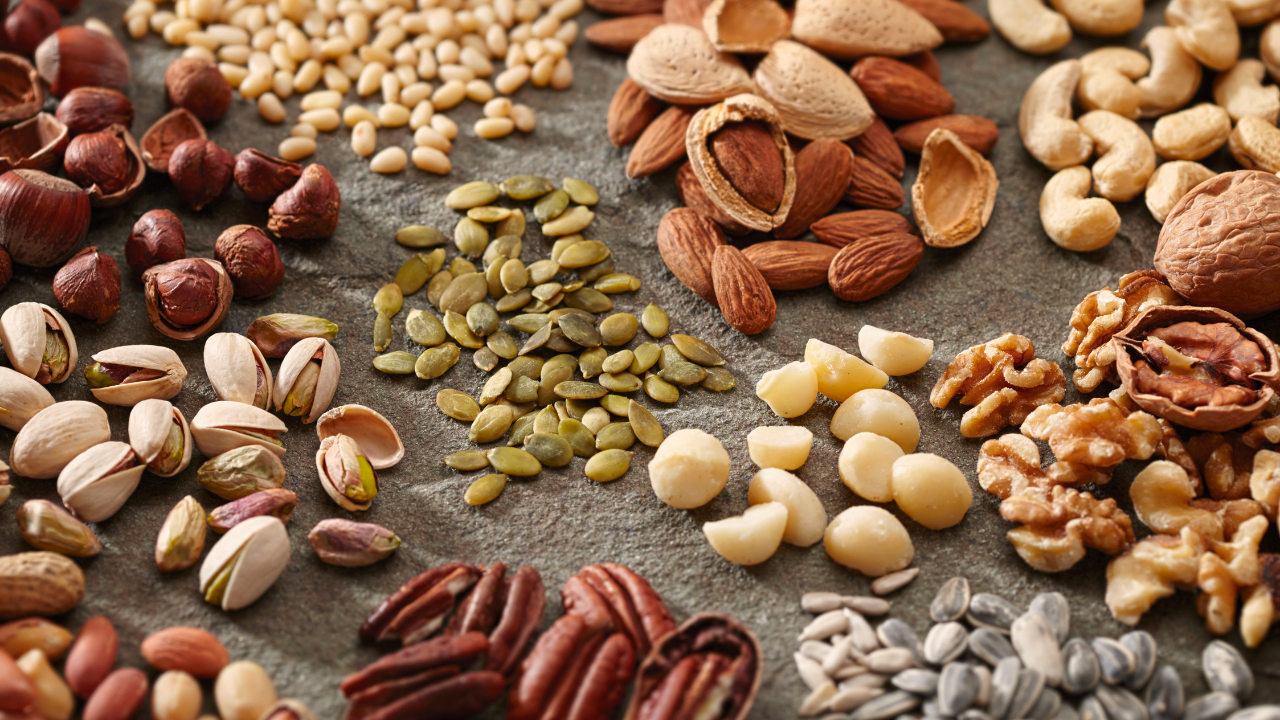
Nuts and seeds are rich in monounsaturated fats, omega-3 fatty acids, fiber, and vitamin B6, all of which help lower inflammation and support heart health. Studies show regular nut eaters have up to a 51% lower risk of inflammatory diseases like RA.
Recommended intake: About 1.5 ounces daily (a small handful).
Best sources: Walnuts (high in omega-3s), almonds, pistachios, and pine nuts. Though calorie-dense, they promote fullness and support weight management — just enjoy them in moderation.
7. Nightshade Vegetables and Arthritis
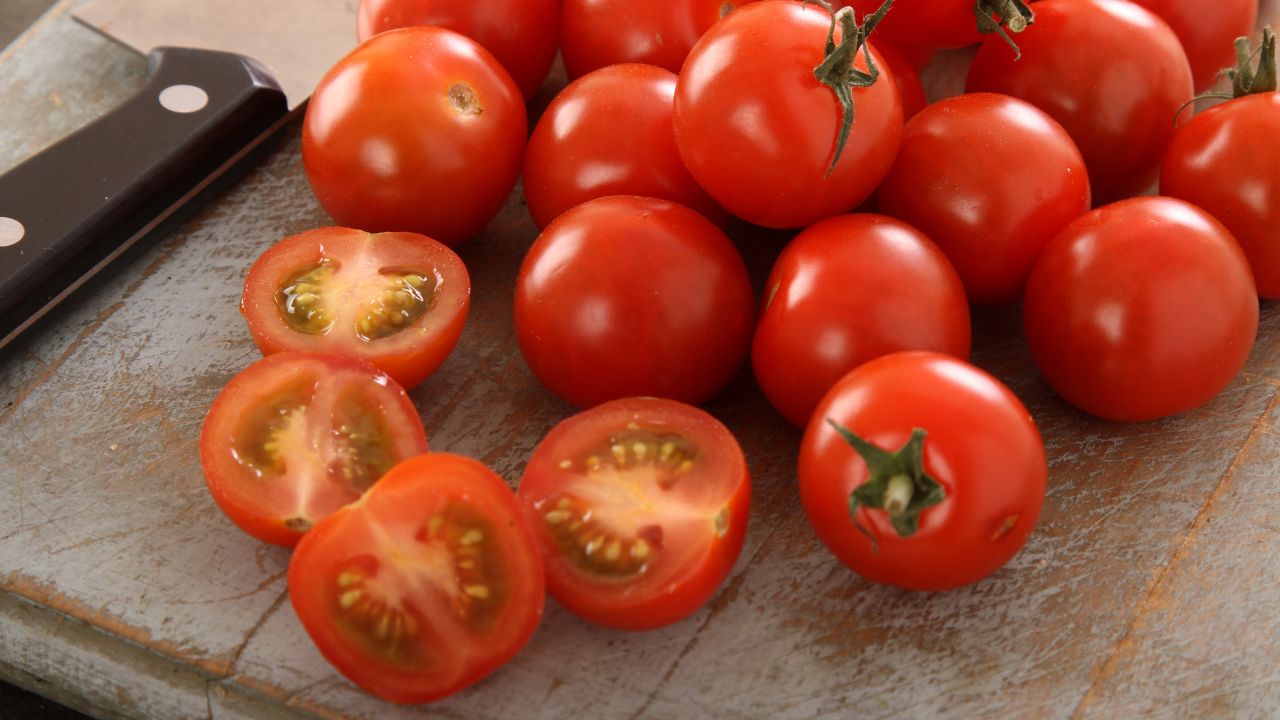
Nightshade vegetables — such as tomatoes, eggplant, red bell peppers, and potatoes — are highly nutritious and low in calories. While they contain solanine, which some believe worsens arthritis pain, no scientific evidence supports this claim.
If you suspect they trigger your symptoms, try eliminating them for a few weeks, then reintroduce slowly to see if pain or inflammation changes.
Related Posts:
- What Is Rheumatoid Arthritis? Causes, Symptoms and Diagnosis –
- What Are Rheumatoid Arthritis and Osteoarthritis –
- Stages of Rheumatoid Arthritis: From Mild to Severe –
Foods to avoid with RA
1. Processed and Refined Foods

Processed foods loaded with salt, sugar, and unhealthy fats promote inflammation, weight gain, and heart issues—worsening RA and overall health. Likewise, refined carbohydrates such as white bread, rice, pasta, and cereals made with white flour trigger inflammation and increase the risk of chronic disease. Choose whole-grain alternatives, such as brown rice or corn flour, instead.
2. Red and Processed Meats

Red and processed meats are high in saturated fats and preservatives that trigger inflammation and harm heart health. Processed varieties like bacon, deli meat, and pepperoni often contain additives and hydrogenated oils that worsen RA symptoms. Choose lean, organic, grass-fed meats in moderation, or replace them with omega-3-rich fish for a healthier, anti-inflammatory option.
3. Saturated and Trans Fats

Limit saturated fats found in red meat and full-fat dairy, as they can trigger inflammation in fat tissue. Replace them with lean meats or plant-based proteins. Avoid trans fats, commonly found in processed foods and hydrogenated oils, since they promote systemic inflammation and can worsen RA symptoms.
4. Sugar and Artificial Sweeteners

Both refined sugars and artificial sweeteners can worsen inflammation in people with rheumatoid arthritis. Refined sugars like fructose and glucose trigger the release of inflammatory messengers called cytokines, increasing joint pain and swelling. Artificial sweeteners, such as aspartame, may also provoke an inflammatory response since the body cannot easily process them. To reduce inflammation, limit or avoid sugary foods like soda, pastries, and white bread, and opt for natural sweeteners like honey or fruit instead.
Related Posts:
- what-are-rheumatoid-arthritis-and-osteoarthritis/
- What Is Rheumatoid Arthritis? Causes, Symptoms and Diagnosis
- Early Warning Signs of Rheumatoid Arthritis You Shouldn’t Ignore
Diets that might improve rheumatoid arthritis symptoms
1. Paleo Diet and Rheumatoid Arthritis
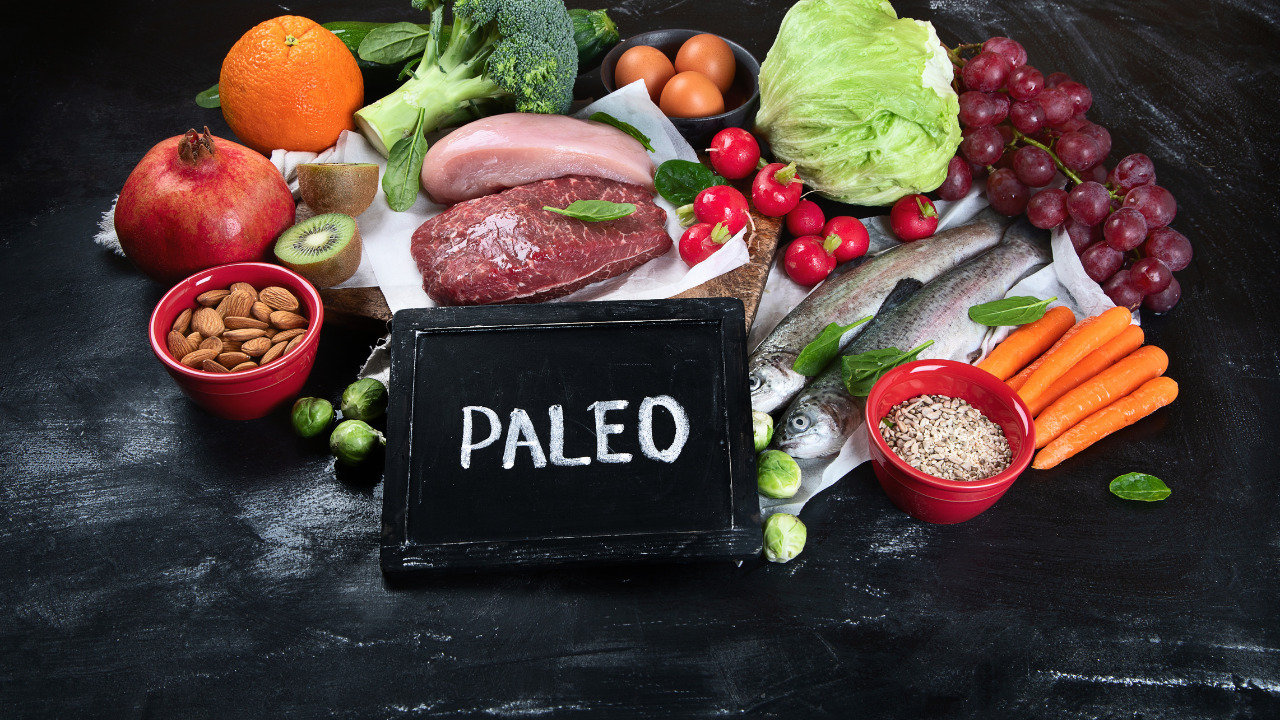
The paleo diet focuses on foods that humans likely ate during the Paleolithic era — lean meats, fish, fruits, vegetables, nuts, and seeds — while excluding grains, legumes, and dairy.
Pros: Research shows the paleo diet may support weight loss, lower BMI, and reduce waist size, which can help lessen RA symptoms and inflammation. It also eliminates processed and sugary foods that can worsen inflammation.
Cons: However, the diet cuts out nutrient-rich and affordable anti-inflammatory foods like whole grains and legumes, which may limit dietary balance and variety.
2. Mediterranean Diet and Rheumatoid Arthritis
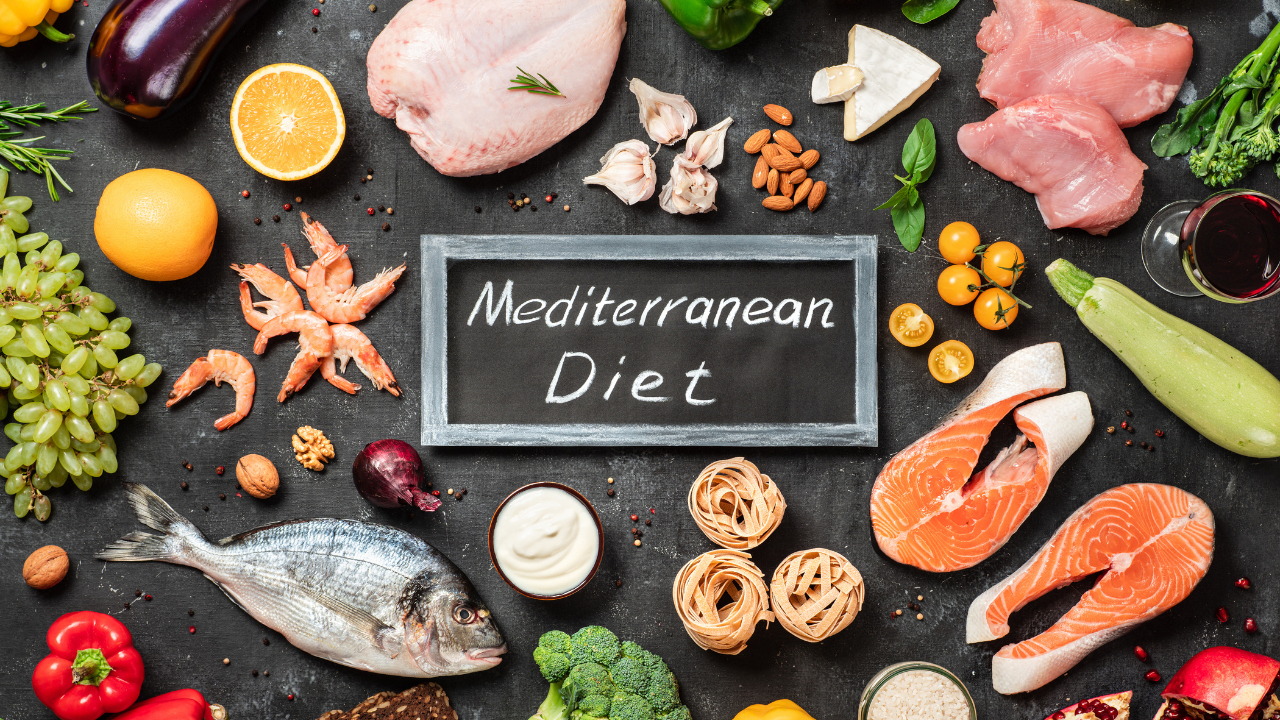
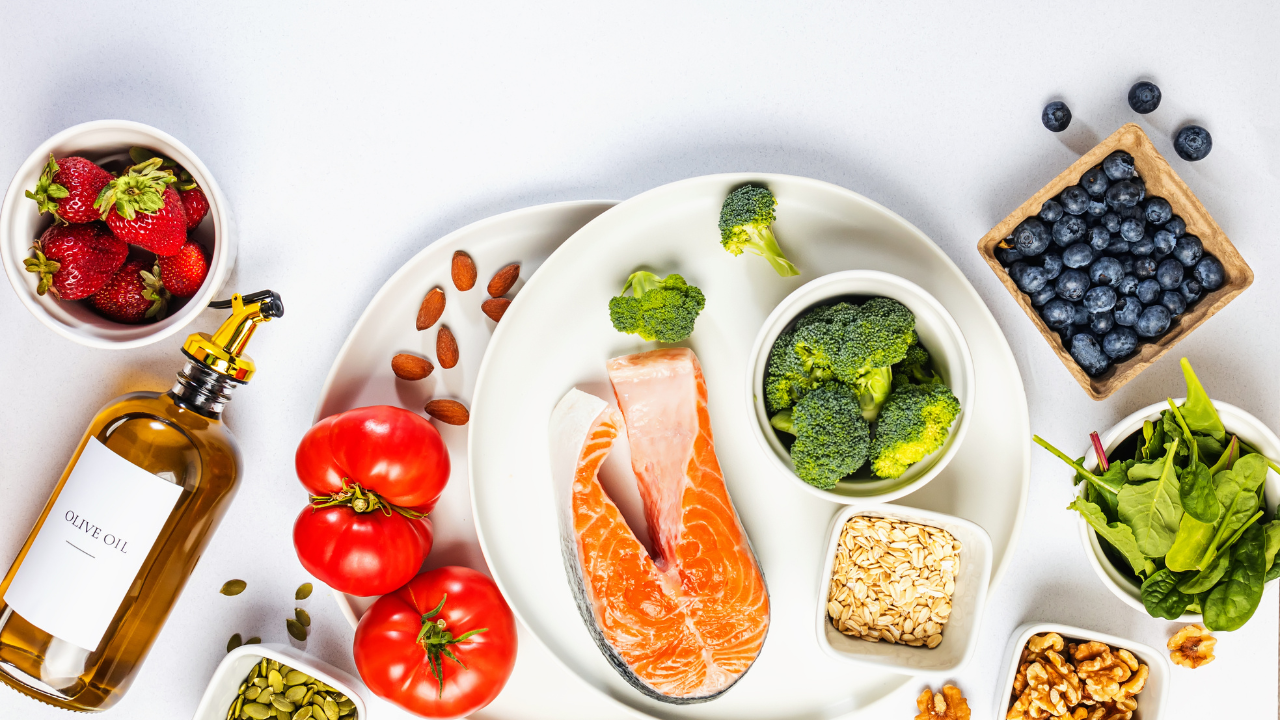
The Mediterranean diet emphasizes fruits, vegetables, whole grains, legumes, nuts, olive oil, and fish, with minimal red meat, dairy, and processed foods.
Pros: Rich in anti-inflammatory nutrients, this diet helps lower C-reactive protein (CRP) levels, supports a healthy gut microbiome, and strengthens immune function. Its focus on plant-based foods and healthy fats makes it one of the best diets for reducing inflammation and managing RA symptoms.
Cons: There are a few drawbacks, though it may require more meal planning and fresh ingredients to follow consistently.
3. Vegetarian and Vegan Diets for Rheumatoid Arthritis
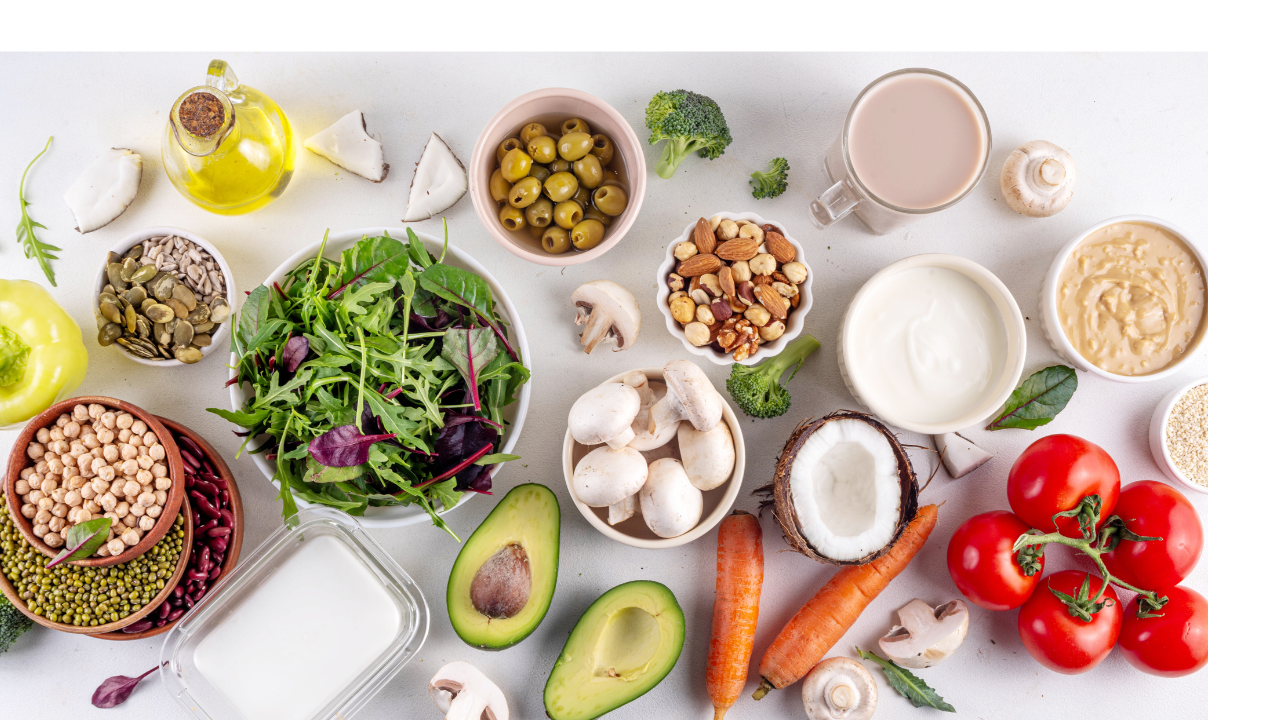
Both vegetarian and vegan diets emphasize plant-based eating, which naturally includes anti-inflammatory foods rich in antioxidants and fiber. These diets can help reduce inflammation, improve joint pain, stiffness, and swelling, and support weight management.
Pros: They promote high intake of fruits, vegetables, whole grains, and legumes, all of which may lower inflammatory markers and support overall joint health.
Cons: A vegan diet, being stricter, may lead to nutrient deficiencies—especially omega-3 fatty acids, vitamin B12, and iron. Vegans should include flaxseeds, chia seeds, hemp seeds, or plant-based omega-3 supplements to balance their nutrition.
4. Keto Diet and Rheumatoid Arthritis

The keto diet is high in fat and very low in carbohydrates, pushing the body into ketosis, where it burns fat for energy instead of carbs. While it may aid in weight loss, blood sugar control, and seizure management, it’s not ideal for reducing inflammation.
Cons: The diet limits anti-inflammatory foods like fruits, vegetables, and whole grains while emphasizing meats and saturated fats, which can raise inflammatory markers such as CRP, IL-6, and homocysteine. This can worsen RA symptoms instead of improving them.
5. Low-Carb Diet and Rheumatoid Arthritis
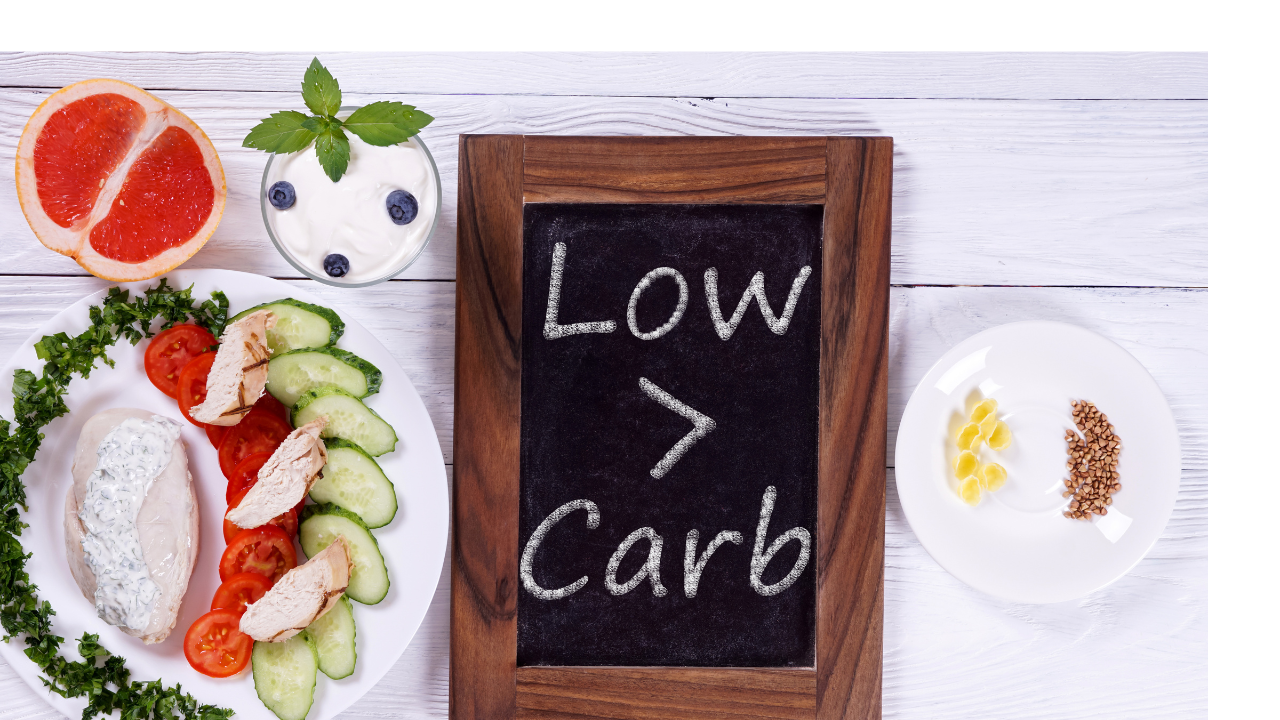
A low-carb diet can support an anti-inflammatory lifestyle when it focuses on eliminating refined carbohydrates and high-fat processed foods. Refined carbs—like white bread, pasta, pastries, and soda—are highly processed and promote inflammation. Instead, choose whole, unprocessed foods such as vegetables, lean proteins, and whole grains for better joint and overall health.
6. Gluten-Free Diet and Rheumatoid Arthritis
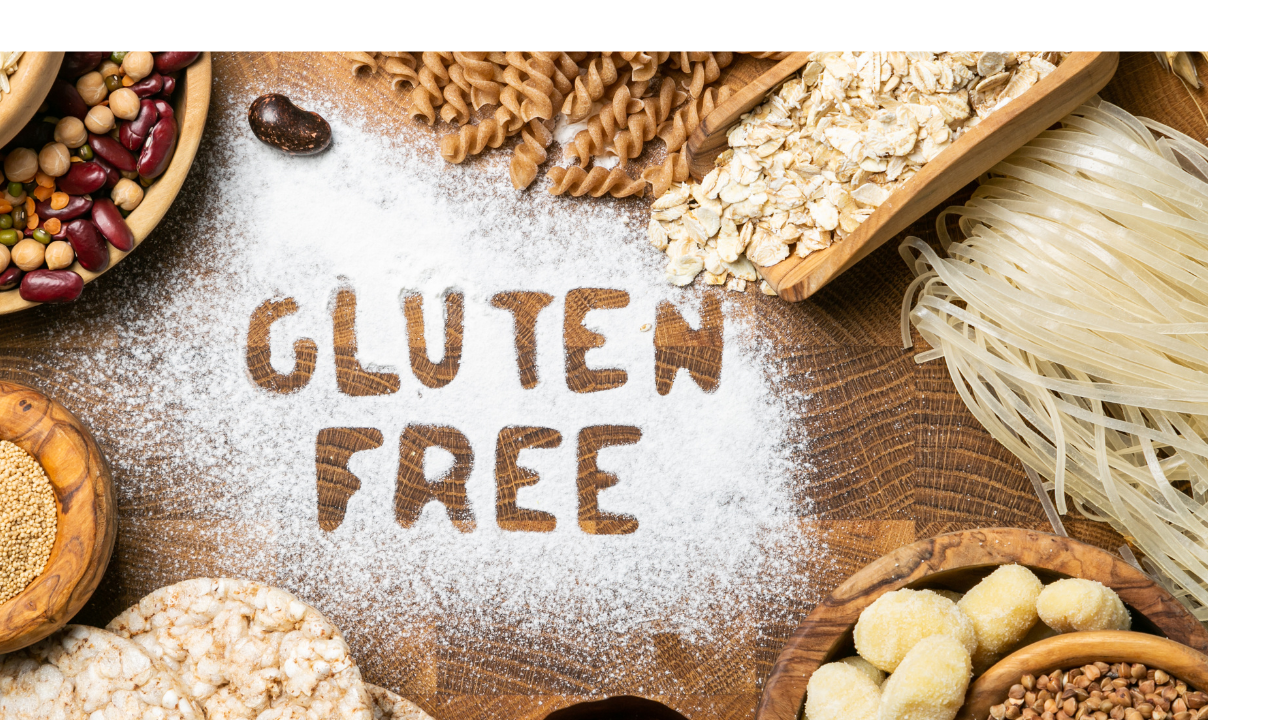
A gluten-free diet eliminates grains like wheat, barley, and rye, which contain gluten. This diet is essential for people with celiac disease, wheat allergies, or gluten sensitivity. Some individuals with these conditions may notice reduced joint symptoms after removing gluten. However, for most people with RA, evidence doesn’t show clear benefits. Going gluten-free may also lead to nutrient deficiencies—including iron, fiber, calcium, and B vitamins—so it’s important to replace these through other foods or supplements under medical guidance.
7. Intermittent Fasting and Rheumatoid Arthritis

Intermittent fasting involves extending the time between meals, typically 16 to 48 hours without food. Research suggests it may reduce inflammation, improve blood pressure, aid weight loss, and lessen RA symptoms by increasing antioxidant levels. However, fasting can be difficult to maintain and may lead to headaches, fatigue, sleep issues, muscle pain, and hunger in some individuals.
Tips for Reducing Inflammatory Foods in Rheumatoid Arthritis
To manage RA inflammation, focus on cleaner eating habits. Read food labels to limit saturated and trans fats, and compare brands for lower sugar and fat content. Use natural oils like olive or avocado instead of processed ones, and avoid deep-fried or high-temperature foods. Choose low-fat, trans-fat-free options, increase omega-3 intake (from fish), and cut back on omega-6 oils. Prioritize fresh, whole foods—fruits, vegetables, and whole grains—over processed items. For personalized guidance, consult your doctor about dietary strategies to reduce inflammation.
Source Links
- https://www.ncbi.nlm.nih.gov/pmc/articles/PMC6997513/
- https://www.hopkinsmedicine.org/health/wellness-and-prevention/anti-inflammatory-diet?ref=activeman.com
- https://www.ncbi.nlm.nih.gov/pmc/articles/PMC6746966/