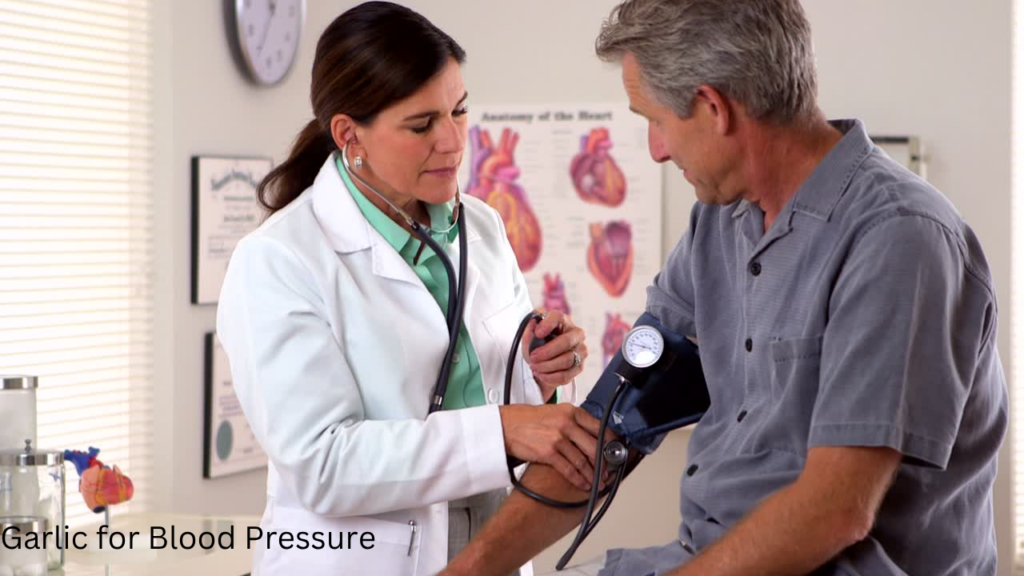
Can Garlic Lower Blood Pressure?
Garlic has been studied for its potential effect on blood pressure, particularly in people with hypertension. Several clinical trials and meta-analyses suggest that certain garlic preparations may modestly lower systolic and diastolic blood pressure. However, the evidence does not mean that eating garlic can replace prescribed blood pressure treatment.
The important distinction is between garlic as a food and concentrated garlic supplements or extracts. Much of the research showing a blood-pressure effect has used standardized garlic extracts, aged garlic preparations, garlic powder, or other supplements rather than ordinary amounts of fresh garlic used in cooking.
For that reason, garlic is best viewed as one part of a heart-healthy eating pattern rather than a stand-alone treatment for hypertension.
What Is Garlic?
Garlic (Allium sativum) is a member of the same plant family as onions and several other flavorful vegetables. It has been used as both a food and traditional health product for thousands of years. Today, garlic is widely studied for its potential effects on cardiovascular health, cholesterol, blood sugar, and other areas.
Garlic contains sulfur-containing compounds that contribute to its characteristic smell and taste. Some of these compounds have biological effects that researchers believe may influence blood-vessel function.
One proposed explanation is that sulfur compounds from garlic may contribute to the production or signaling of molecules such as nitric oxide and hydrogen sulfide. These compounds can help blood vessels relax, although the exact mechanisms involved in humans are still being studied.
What Does the Research Say About Garlic and Blood Pressure?
The overall evidence is promising but should be interpreted carefully.
A 2025 meta-analysis published in Asian Biomedicine analyzed 12 placebo-controlled reports involving 405 people receiving garlic derivatives and 333 receiving placebo. The researchers reported an average reduction of about 8.1 mmHg in systolic blood pressure and 4.3 mmHg in diastolic blood pressure compared with placebo.
The same review reported that its sensitivity analysis produced similar findings. However, the authors also identified important limitations, including publication bias and differences among the garlic preparations, doses, participants, baseline blood pressure levels, and measurement methods.
A separate 2025 systematic review and meta-analysis in Frontiers in Nutrition included 10 randomized controlled trials. It found average reductions of approximately 4.2 mmHg systolic and 3.1 mmHg diastolic blood pressure with garlic interventions. The researchers also noted substantial differences among studies and concluded that the overall effect may be limited in some populations.
Earlier research also found larger average reductions. A 2020 review and meta-analysis of 12 trials involving 553 adults with hypertension reported average reductions of approximately 8.3 mmHg systolic and 5.5 mmHg diastolic among participants receiving garlic supplements.
How should these findings be interpreted?
The studies do provide evidence that some garlic preparations can lower blood pressure in people with hypertension.
But the results should not be interpreted as proof that eating a few cloves of garlic every day will produce the same reduction.
Different studies have used different garlic products, amounts, active compounds, and treatment periods. This makes it difficult to identify one universally effective dose or preparation.
The National Center for Complementary and Integrative Health (NCCIH) takes a more cautious position, stating that limited evidence suggests garlic supplements may reduce blood pressure by a small amount in people with high blood pressure.
Garlic Supplements vs. Fresh Garlic
This is one of the most important points to understand.
Research on blood pressure has often involved concentrated garlic products, including:
| Garlic preparation | What research suggests |
|---|---|
| Fresh garlic | Nutritious food, but the blood-pressure effect from normal food amounts is not well established |
| Garlic powder | Studied in some clinical trials |
| Aged garlic extract | Studied in several cardiovascular and blood-pressure trials |
| Garlic extract | Has shown blood-pressure-lowering effects in several trials |
| Garlic supplements | Some evidence of benefit, but products and doses vary considerably |
Aged garlic extract is produced through a controlled aging process and is chemically different from freshly chopped garlic. Therefore, results from trials involving aged garlic extract should not automatically be applied to fresh garlic used in cooking.
This distinction is particularly important when discussing supplement doses. A dose used in a clinical trial should not be interpreted as a recommended dose for everyone.
How Might Garlic Affect Blood Pressure?
Researchers have proposed several possible mechanisms.
1. Blood-vessel relaxation
Some sulfur-containing compounds derived from garlic may influence signaling pathways involving nitric oxide and hydrogen sulfide. These molecules can help blood vessels relax and widen.
When blood vessels are able to relax appropriately, resistance to blood flow can decrease.
2. Effects on the renin-angiotensin system
Some laboratory and experimental research suggests garlic compounds may influence angiotensin-converting enzyme, or ACE. ACE is involved in a hormonal system that helps regulate blood pressure.
However, laboratory findings do not automatically demonstrate the same clinical effect in people. This mechanism therefore remains an area of research rather than a reason to use garlic as a substitute for ACE-inhibitor medication.
3. Antioxidant and vascular effects
Garlic contains compounds with antioxidant activity, and researchers are investigating how these compounds may affect blood-vessel health.
The potential cardiovascular effects of garlic are complex and may involve several biological pathways rather than one single mechanism.
Does Aged Garlic Extract Lower Blood Pressure?
Aged garlic extract has received particular attention in cardiovascular research.
Earlier clinical studies included aged garlic preparations and reported improvements in some measures of blood pressure and vascular function. The 2025 Frontiers in Nutrition review also included different garlic preparations and found an overall reduction in blood pressure among the studies analyzed.
However, aged garlic extract is a specific supplement preparation. It should not be treated as interchangeable with raw garlic, roasted garlic, garlic powder, or other products.
More research is needed to determine which preparation, dose, and duration provide the most consistent benefit.
Can You Eat Garlic to Help Support Healthy Blood Pressure?
Yes, garlic can be a useful part of a heart-healthy diet.
The strongest practical reason to include garlic is that it can add substantial flavor without requiring large amounts of salt. This can make it easier to prepare foods consistent with eating patterns such as the DASH diet.
For example, you can use garlic with:
- Vegetables
- Beans and lentils
- Fish
- Chicken
- Whole grains
- Soups and stews
- Homemade salad dressings
- Roasted vegetables
- Tomato-based sauces
This approach is different from taking a concentrated supplement. It focuses on garlic as a flavorful food within an overall healthy eating pattern.
Garlic Alone Is Not a Treatment for Hypertension
This point is essential.
High blood pressure is influenced by many factors, including diet, physical activity, body weight, tobacco use, alcohol intake, sleep, stress, genetics, age, and certain medical conditions.
The CDC recommends lifestyle measures such as regular physical activity, maintaining a healthy weight, not smoking, limiting alcohol, getting adequate sleep, and managing stress as part of blood-pressure prevention and cardiovascular health.
If you have been prescribed blood-pressure medication, do not stop or reduce it because you are eating garlic or taking a garlic supplement.
Current evidence does not establish garlic as a replacement for prescribed hypertension treatment.
Is Garlic Safe?
Garlic used as a food is generally well tolerated by most people.
However, concentrated supplements can have different effects from normal culinary amounts.
Possible oral side effects include:
- Bad breath
- Body odor
- Abdominal discomfort
- Gas
- Nausea
- Allergic reactions in some people
Garlic supplements may also increase bleeding risk. This is particularly important for people taking anticoagulants, aspirin, or other medicines that affect blood clotting. NCCIH recommends discussing garlic supplements with a health professional in these circumstances.
People who are preparing for surgery should also tell their healthcare team about garlic supplements they are taking.
Can Garlic Interact With Blood Pressure Medication?
Potential interactions are one reason to be cautious with concentrated garlic supplements.
Garlic may have effects on blood pressure and blood clotting, so combining a concentrated supplement with medications can require professional review.
If you take prescription medication, especially medication for blood pressure or blood clotting, ask your doctor or pharmacist before starting a garlic supplement.
Eating garlic as part of normal meals is different from taking a high-concentration extract.
What About Raw Garlic?
Raw garlic contains biologically active compounds, but it can also cause digestive discomfort in some people.
Some people experience stomach irritation, gas, or other gastrointestinal symptoms after eating larger amounts of garlic. Concentrated garlic can be particularly problematic for people with certain digestive conditions.
There is also no established evidence that eating raw garlic provides a specific blood-pressure advantage over other forms of garlic.
Therefore, there is no need to force yourself to eat raw garlic if you do not tolerate it.
How to Add Garlic to a Heart-Healthy Diet
A practical approach is to use garlic to make nutritious foods more enjoyable.
Try:
- Adding minced garlic to roasted vegetables.
- Mixing garlic with olive oil, lemon, and herbs for a simple dressing.
- Adding garlic to beans, lentils, or vegetable soups.
- Using garlic instead of some of the salt in savory dishes.
- Combining garlic with fish, vegetables, and whole grains.
- Adding garlic to homemade sauces rather than relying on heavily salted packaged sauces.
The goal is not to consume as much garlic as possible.
The goal is to use garlic as one flavorful ingredient within an eating pattern that supports cardiovascular health.
Garlic and a Heart-Healthy Diet
Garlic works best as part of a broader lifestyle strategy.
A heart-supportive eating pattern can emphasize:
- Vegetables and fruits
- Whole grains
- Beans and other legumes
- Nuts and seeds
- Fish and other nutrient-rich protein sources
- Lower-sodium foods
- Less highly processed food
Physical activity is also important. The CDC recommends adults get at least 150 minutes of moderate-intensity physical activity each week, such as brisk walking or bicycling.
Other lifestyle factors, including sleep, alcohol intake, smoking, and stress, also matter for blood-pressure health.
What the Evidence Does—and Does Not—Show
| Question | What the evidence suggests |
|---|---|
| Can garlic affect blood pressure? | Yes. Several clinical studies and meta-analyses report reductions, particularly with garlic supplements or extracts. |
| Does every person respond the same way? | No. Results vary among individuals and studies. |
| Does fresh garlic definitely lower blood pressure? | This has not been established to the same degree as concentrated garlic preparations. |
| Is aged garlic extract the same as fresh garlic? | No. They are different preparations. |
| Can garlic replace blood-pressure medication? | No. There is insufficient evidence to recommend replacing prescribed treatment with garlic. |
| Is more garlic necessarily better? | No. Higher amounts can increase side effects and supplement-related risks. |
| Can garlic supplements interact with medicines? | Yes. Bleeding risk and other interactions should be considered. |
| Is garlic useful in a healthy diet? | Yes. It can add flavor and may help make lower-sodium, vegetable-rich meals more appealing. |
Frequently Asked Questions
How much garlic should I eat to lower blood pressure?
There is no established amount of ordinary dietary garlic that can be recommended specifically for lowering blood pressure.
Clinical studies have used different garlic products and doses, making it inappropriate to translate supplement doses directly into a number of fresh garlic cloves.
Is garlic better than blood pressure medicine?
No.
Garlic should not be viewed as a replacement for prescribed hypertension medication. Some research suggests garlic preparations may provide an additional blood-pressure-lowering effect, but treatment decisions should be made with a healthcare professional.
Can I take garlic supplements if I have high blood pressure?
Possibly, but speak with a healthcare professional first, particularly if you take prescription medications.
Garlic supplements may affect bleeding, and concentrated preparations are not equivalent to the garlic you use in cooking.
Does aged garlic extract work better than fresh garlic?
There is not enough evidence to make a simple statement that aged garlic extract is universally “better.”
Aged garlic extract has been studied in clinical trials, but it is a specialized preparation with a different chemical profile from fresh garlic.
Can garlic lower blood pressure immediately?
There is no good evidence that eating garlic produces a reliable, immediate reduction in blood pressure.
The clinical studies showing benefits generally involved repeated use of garlic preparations over weeks or longer.
Can I eat garlic while taking blood thinners?
Do not assume that it is safe to take concentrated garlic supplements with blood thinners.
NCCIH specifically advises people taking anticoagulants or aspirin to discuss garlic supplements with their healthcare provider because of potential effects on bleeding.
Does garlic help prevent high blood pressure?
The evidence is stronger for studying garlic in people who already have hypertension than for proving that garlic prevents hypertension in people with normal blood pressure.
More research is needed to establish a preventive effect.
The Bottom Line
Garlic is an interesting food with a growing body of research behind its potential cardiovascular effects.
Several meta-analyses have found that garlic supplements or extracts can modestly reduce blood pressure in people with hypertension. The 2025 evidence is encouraging, but the studies differ in garlic preparation, dosage, duration, participants, and study quality.
For everyday eating, garlic can be a practical addition to a heart-healthy diet. It can add flavor to vegetables, beans, whole grains, fish, and other nutritious foods while helping meals rely less heavily on salt.
However, garlic is not a cure for hypertension and should not replace prescribed medication.
If you are considering a garlic supplement, especially if you take blood thinners, aspirin, blood-pressure medication, or other prescription drugs, discuss it with your healthcare professional first.
Sources:
- National Center for Complementary and Integrative Health — Garlic ·
- CDC — Preventing High Blood Pressure ·
- Frontiers in Nutrition — 2025 Garlic and Hypertension Meta-analysis ·
- 2025 Updated Garlic Meta-analysis ·
- Garlic Blood Pressure Review and Meta-analysis ·
- Cleveland Clinic — Does Garlic Lower Blood Pressure?