Why Do People Snore?
Snoring is common, but it is not simply a matter of making noise while asleep. It happens when airflow through the upper airway becomes restricted and causes tissues in the nose, mouth, or throat to vibrate.
During sleep, the muscles that help keep the upper airway open naturally relax. If the airway becomes narrow enough, air has more difficulty moving through it. The resulting airflow and tissue vibration can produce the familiar sound of snoring.
Occasional snoring is often harmless. However, frequent or very loud snoring can sometimes be associated with an underlying problem, including obstructive sleep apnea (OSA).
Understanding why snoring happens can help you decide when simple lifestyle changes may be reasonable and when it is worth discussing your symptoms with a healthcare professional.
What Actually Happens When You Snore?
The upper airway includes structures such as the tongue, soft palate, uvula, tonsillar tissues, and walls of the throat.
When you are awake, muscles in this area help keep the airway open. During sleep, muscle tone decreases. If the airway becomes narrower, airflow can become turbulent and make surrounding soft tissues vibrate.
That vibration produces the sound we recognize as snoring.
Researchers are also learning that snoring is more complicated than simply having a “blocked” airway. A 2024 physiological study found that both airway obstruction and the body’s drive to breathe can influence how loud snoring becomes. The study involved people with suspected or diagnosed sleep apnea, so its findings should not automatically be applied to every person who snores.
In simple terms
Narrower airway → altered airflow → tissue vibration → snoring sound
The degree and location of airway narrowing can vary from person to person.
Common Causes of Snoring
There is rarely one single cause of snoring. Anatomy, sleep position, nasal congestion, age, weight, alcohol, smoking, and certain medications can all play a role.
1. Sleeping on Your Back
Snoring often becomes worse when a person sleeps on their back.
In this position, gravity can allow tissues around the airway to move backward and narrow the passage. Research summarized by the Sleep Foundation indicates that some people snore less frequently and less intensely when sleeping on their side.
This is one reason positional approaches may help people whose snoring is strongly related to sleeping position.
However, reducing snoring by changing position does not prove that a person does not have sleep apnea.
2. Nasal Congestion
A blocked or congested nose can make it harder for air to move normally during sleep.
Congestion may result from allergies, respiratory infections, a deviated nasal septum, nasal polyps, or other nasal conditions. Chronic nighttime nasal congestion has also been associated with habitual snoring.
If your snoring began around the same time as persistent nasal congestion, addressing the underlying nasal problem may be an important part of managing it.
3. Alcohol
Alcohol can relax muscles around the upper airway.
For some people, drinking alcohol before sleep can therefore make snoring worse. The Sleep Foundation notes that people who already snore, including people with OSA, may experience more severe snoring after alcohol consumption.
The evidence does not mean that avoiding alcohol will eliminate snoring for everyone. Snoring usually has multiple possible contributors.
4. Sedative Medications
Some sedative medications can also relax muscles around the airway.
Because medications differ considerably, people should not stop or change a prescribed medication simply because they snore. Instead, discuss possible effects with the prescribing clinician.
5. Excess Weight
Extra tissue around the neck and upper airway can contribute to a narrower airway and make airway collapse more likely during sleep.
For people who are overweight or have obesity, weight loss may improve snoring and may also improve symptoms associated with obstructive sleep apnea.
However, weight is only one factor. People at any body size can snore or have sleep apnea.
6. Aging
Snoring tends to become more common with age.
One possible reason is that muscles and tissues surrounding the airway can change as people get older. The tongue and muscles supporting the airway may also become less effective at maintaining airway space during sleep.
Age alone, however, does not mean that persistent snoring should simply be accepted as normal.
7. Anatomy of the Nose and Throat
The structure of your airway can influence whether you snore.
Examples include:
- A deviated septum
- Enlarged tonsils
- A larger tongue
- A smaller jaw
- Nasal polyps
- A long soft palate or uvula
- Other structural differences in the upper airway
These anatomical factors can reduce available airway space or change how air moves through the nose and throat.
8. Smoking
Smoking is associated with snoring.
One proposed explanation is that smoking can contribute to inflammation and swelling of the upper airway. Research summarized by the Sleep Foundation reports that quitting smoking can improve snoring, although improvement may take time.
Smoking is therefore relevant not only to general health but also to sleep-related breathing.
Is Snoring a Sign of Sleep Apnea?
Sometimes—but not always.
This distinction is important.
Many people snore without having obstructive sleep apnea. At the same time, snoring is one of the common features of OSA.
Obstructive sleep apnea occurs when the upper airway repeatedly becomes blocked or collapses during sleep. Breathing may stop or become significantly reduced before resuming, sometimes with a gasp, snort, or choking sound.
Warning signs that deserve attention include:
- Loud, habitual snoring
- Pauses in breathing noticed by another person
- Gasping, choking, or snorting during sleep
- Repeated nighttime awakenings
- Excessive daytime sleepiness
- Morning headaches
- Difficulty concentrating
- Waking feeling unrefreshed
The combination of loud snoring with breathing pauses or gasping is particularly important because it can indicate obstructive sleep apnea.
Why Snoring and Sleep Apnea Should Not Be Confused
Snoring is a sound or symptom. Sleep apnea is a sleep-related breathing disorder.
Someone can snore without having OSA. Conversely, someone with OSA may not recognize how severe their nighttime breathing problems are because they are asleep when they occur.
A 2024 study examining the physiological determinants of snoring specifically noted that snoring is not a specific indicator of obstructive respiratory events.
This means that snoring alone cannot diagnose sleep apnea.
A healthcare professional may recommend a sleep evaluation or sleep study when symptoms suggest sleep-disordered breathing.
Does Loud Snoring Mean You Have Sleep Apnea?
Not necessarily.
Loudness can provide useful information, but it cannot be used by itself to diagnose OSA.
A 2020 study objectively measured snoring in 162 habitual snorers and found that snoring intensity and frequency were associated with OSA in that study population. The researchers also found that combining snoring measures with age and sex improved prediction of OSA.
However, the participants were a selected group of habitual snorers, and people with certain characteristics were excluded. Therefore, these findings should not be interpreted as meaning that a particular snoring volume proves someone has sleep apnea.
This is an important example of why research findings need to be interpreted in context.
Can Snoring Affect Your Sleep?
Snoring can interfere with sleep quality.
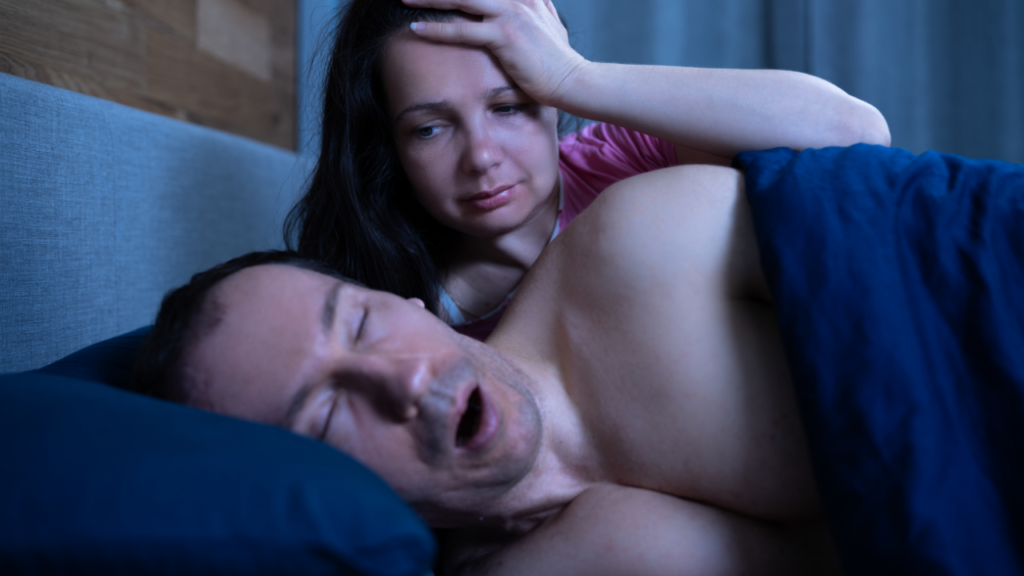
The person who snores may experience disturbed sleep, particularly when snoring is associated with repeated breathing disturbances. A bed partner may also have their sleep disrupted by the sound.
Research has even examined snoring as a form of bedroom noise exposure. In one study, objectively measured snoring was associated with sleep apnea risk and was capable of producing substantial noise levels in some participants.
The impact can therefore extend beyond the person who is making the noise.
Why Do Some People Snore More Than Others?
Snoring is influenced by a combination of factors rather than one universal cause.
| Factor | How it may contribute |
|---|---|
| Sleeping on the back | Can allow airway tissues to move backward |
| Nasal congestion | Makes normal nasal airflow more difficult |
| Alcohol | Can relax tissues supporting the airway |
| Sedatives | May contribute to airway muscle relaxation |
| Excess weight | Can reduce available airway space |
| Aging | May reduce muscle tone around the airway |
| Smoking | May contribute to airway inflammation |
| Anatomy | Can naturally make the airway narrower |
| Sleep apnea | Repeated airway narrowing or collapse can cause loud snoring |
Several factors can occur together. For example, someone may have nasal congestion, sleep on their back, and drink alcohol in the evening. The combination may make snoring more noticeable than any one factor alone.
Can You Stop Snoring?
The right approach depends on why you are snoring.
Some practical measures may help, particularly when snoring is related to specific triggers.
Measures that may help include:
- Trying side sleeping if you tend to snore on your back
- Addressing persistent nasal congestion
- Avoiding alcohol close to bedtime
- Discussing potentially sedating medications with a healthcare professional
- Maintaining a healthy weight when appropriate
- Avoiding smoking or working toward smoking cessation
- Seeking evaluation when symptoms suggest sleep apnea
Evidence is stronger for some interventions and situations than others. For example, positional therapy can help some people whose snoring is position-dependent, while treatment for a structural nasal problem depends on the specific cause.
There is no single anti-snoring solution that works for everyone.
What About Anti-Snoring Devices?
Products marketed for snoring include nasal devices, oral appliances, positional devices, and other products.
Their usefulness depends on the underlying cause.
An intervention designed simply to open the nasal passages may be more relevant to someone with nasal obstruction than to someone whose snoring is primarily related to collapse deeper in the airway.
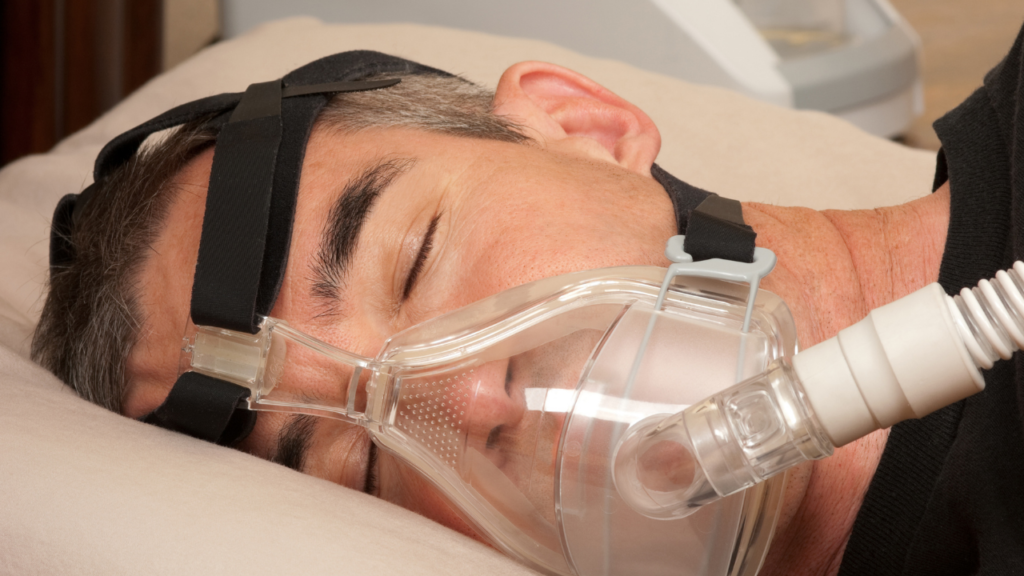
Oral appliances and other medical devices may be appropriate for selected patients, particularly when sleep apnea or another sleep-related breathing disorder has been evaluated. Treatment should be matched to the individual’s condition rather than chosen solely because a product claims to “stop snoring.”
When Should You See a Doctor About Snoring?
Consider talking with a healthcare professional if:
- You snore loudly or frequently.
- Someone notices that you stop breathing during sleep.
- You wake up choking, gasping, or snorting.
- You are unusually sleepy during the day.
- You wake with frequent morning headaches.
- Your sleep is repeatedly disrupted.
- Your snoring is significantly affecting your bed partner.
- You have other symptoms that suggest sleep apnea.
The Sleep Foundation specifically recommends discussing snoring with a healthcare professional when symptoms such as breathing pauses, gasping, daytime sleepiness, or morning headaches occur.
Frequently Asked Questions About Snoring
Is snoring normal?
Occasional snoring is common and does not necessarily indicate a health problem. Frequent or loud snoring, particularly when accompanied by other symptoms, deserves more attention.
Why do I snore when I sleep on my back?
Back sleeping can allow tissues around the upper airway to move in a way that narrows the airway. Some people therefore snore more in this position.
Can being overweight cause snoring?
Excess tissue around the neck and upper airway can contribute to airway narrowing and increase susceptibility to airway collapse. Weight is only one possible contributor, however.
Can allergies cause snoring?
Allergies can cause nasal congestion, which may interfere with airflow through the nose and contribute to snoring.
Does everyone who snores have sleep apnea?
No. Snoring can occur without sleep apnea. However, frequent loud snoring can be one sign of OSA, especially when it occurs with breathing pauses, gasping, choking, or daytime sleepiness.
Can women snore?
Yes. Women can snore for many of the same reasons as men, including nasal congestion, sleep position, aging, excess weight, and sleep apnea. Hormonal changes may also influence snoring risk in some women.
Can men snore more than women?
Snoring is common in both men and women. Differences in airway anatomy, body-fat distribution, and hormonal factors may contribute to differences in snoring patterns between sexes.
Can snoring cause a sore throat?
It can. Snoring and mouth breathing can dry and irritate throat tissues, potentially contributing to morning throat discomfort.
The Bottom Line
So, why do people snore?
Most simply, snoring happens when airflow through the upper airway becomes restricted during sleep and causes surrounding tissues to vibrate.
The reasons for that restriction can vary. Sleeping position, nasal congestion, alcohol, smoking, excess weight, aging, anatomy, and certain medications can all contribute.
Occasional snoring is not necessarily a medical problem. But loud, frequent snoring combined with breathing pauses, gasping, choking, daytime sleepiness, or morning headaches should not be ignored because these symptoms can point to obstructive sleep apnea.
Most importantly, snoring itself is not enough to diagnose sleep apnea. If there are signs of disrupted breathing during sleep, a healthcare professional can determine whether further evaluation is appropriate.
Sources Used
- Scientific American — Why Do People Snore?
- Sleep Foundation — Why Do People Snore? Common Causes of Snoring
- Johns Hopkins Medicine — Why Do People Snore? Answers for Better Health
- Kasmaoui et al. — Snoring and Its Associated Comorbidities
- Vena et al. — Physiological Determinants of Snore Loudness
- Sowho et al. — Snoring: A Source of Noise Pollution and Sleep Apnea Predictor
- PubMed — Why Do People Snore?
- PubMed — Snoring: A Source of Noise Pollution and Sleep Apnea Predictor
Medical disclaimer: This article is intended for educational purposes and does not diagnose, treat, or replace advice from a qualified healthcare professional. Persistent or concerning snoring—especially when accompanied by breathing pauses, gasping, choking, or excessive daytime sleepiness—should be medically evaluated.