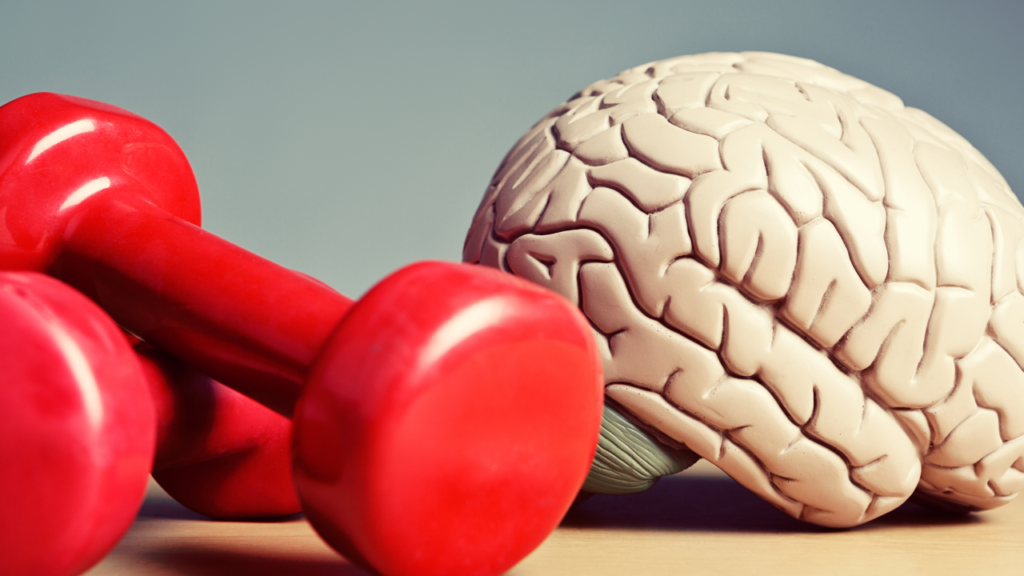
The brain is the control center of the body, responsible for memory, emotions, movement, and decision-making. Although it weighs only about three pounds, it contains billions of neurons that transmit information and keep the body functioning properly. As we age, changes in brain function can occur, but cognitive decline is not inevitable. Research shows that while genetics play a role, daily lifestyle choices have a significant impact on how well the brain performs over time.
Encouragingly, many strategies for protecting brain health are practical and accessible at any stage of life. Experts highlight that a substantial percentage of dementia cases may be delayed or prevented by addressing key lifestyle factors such as physical activity, nutrition, sleep, mental engagement, and overall health management. By adopting consistent, healthy habits and staying proactive about brain care, individuals can support mental sharpness, independence, and overall quality of life well into older age.
Here are Daily Habits That Support Brain Health
1. Move Your Body, Boost Your Brain: The Power of Exercise
Regular physical activity is one of the most powerful habits for maintaining brain health. Movement increases blood flow to the brain, delivering oxygen and essential nutrients that support cognitive function. It also stimulates the release of growth factors that help brain cells grow, adapt, and form new connections. Over time, this contributes to improved memory, sharper thinking, and better overall mental performance.
Engaging in consistent exercise has been strongly linked to a lower risk of cognitive decline and conditions such as Alzheimer’s disease. Physically active individuals tend to preserve their mental abilities longer as they age. Exercise also helps counteract the natural loss of brain connections over time, supporting neuroplasticity and keeping the brain more efficient and resilient.
Different forms of exercise contribute to brain health in complementary ways. Aerobic activities like walking, swimming, and cycling enhance heart rate and circulation, while strength training supports muscle and bone health. Balance-focused exercises such as yoga or tai chi improve coordination and stability. Together, these forms of movement promote both physical and cognitive well-being.
To gain these benefits, it is recommended to aim for at least 150 minutes of moderate activity per week or 75 minutes of more intense exercise. Even shorter sessions, such as 10-minute walks, can accumulate meaningful results. Choosing enjoyable activities, staying consistent, and incorporating movement into daily routines can make exercise sustainable, ultimately supporting long-term brain function and overall health.
2. Eat Smart, Stay Sharp: The Best Diet for Brain Health
A brain-healthy diet plays a critical role in maintaining cognitive function and protecting against decline. What you eat directly influences how your brain performs, from memory and focus to long-term resilience. Dietary patterns such as the Mediterranean and MIND diets have been consistently linked to better mental performance and a reduced risk of dementia. These approaches prioritize whole, nutrient-dense foods that nourish brain cells and support overall neurological health.
Central to these diets is an emphasis on plant-based foods and healthy fats. Fruits, vegetables—especially leafy greens—whole grains, legumes, nuts, and seeds provide essential vitamins, minerals, and antioxidants that help combat oxidative stress in the brain. Healthy fats from sources like olive oil and fatty fish supply omega-3 fatty acids, which are vital for maintaining brain cell structure and function, as well as supporting mental clarity and focus.
Equally important is reducing the intake of foods that can negatively impact brain health. Processed foods, added sugars, excessive sodium, and saturated fats can contribute to inflammation, poor blood flow, and increased risk of cognitive impairment. Limiting red meat, sweets, and highly refined products helps create a more stable internal environment that supports both brain and cardiovascular systems.
Adopting simple, sustainable eating habits can make a significant difference over time. Incorporating foods like berries, salmon, and walnuts, staying hydrated, and maintaining balanced portion sizes all contribute to better brain performance. Rather than following restrictive diets, focusing on consistent, long-term nutrition habits supports healthy weight, stable blood sugar, and improved mental function, helping the brain stay sharp and resilient with age.
3. Keep Your Mind Sharp: The Power of Mental Stimulation
Challenging your brain is essential for maintaining cognitive strength and resilience over time. Just like physical exercise benefits the body, mental stimulation strengthens neural connections and supports brain function. Engaging in new and complex activities helps build cognitive reserve, allowing the brain to better adapt to age-related changes and reducing the risk of decline.
A wide range of activities can effectively stimulate the mind. Reading, writing, solving puzzles, and playing strategy games encourage critical thinking and problem-solving. Learning new skills—such as a language, musical instrument, or creative hobby like painting—engages different areas of the brain, promoting flexibility and growth. Variety is key, as exposing the brain to diverse challenges enhances overall cognitive performance.
Research shows that individuals who consistently participate in mentally engaging activities are less likely to develop cognitive impairment later in life. These activities can even support the formation of new brain cells and strengthen communication between neurons. Social and intellectually engaging experiences, such as group discussions or community involvement, further enhance mental sharpness while also supporting emotional well-being.
Incorporating mental challenges into daily life does not require drastic changes. Simple habits like trying new routines, exploring unfamiliar topics, or practicing mental exercises can make a meaningful difference. The goal is to remain curious and continuously engaged, as lifelong learning helps preserve memory, improve focus, and keep the brain active and adaptable.
Related: https://sundrg.com/healthy-brain-foods-that-improve-memory-naturally/
Related: https://sundrg.com/simple-brain-exercises-to-keep-your-mind-sharp-at-any-age/
4. Sleep: The Foundation of a Healthy Brain
Quality sleep is essential for optimal brain function and long-term cognitive health. During sleep, the brain performs critical processes such as consolidating memories, regulating emotions, and clearing out metabolic waste that can accumulate throughout the day. Without sufficient rest, these functions are disrupted, leading to difficulties with focus, decision-making, and overall mental clarity.
Consistently getting 7 to 9 hours of uninterrupted sleep each night supports stronger memory retention and improved cognitive performance. Fragmented or inadequate sleep can impair the brain’s ability to store and process information effectively. Over time, poor sleep patterns have been linked to an increased risk of neurological conditions and a decline in thinking skills, making consistent rest a vital component of brain care.
Improving sleep quality involves establishing healthy routines and an optimal sleep environment. Maintaining regular sleep and wake times, reducing screen exposure before bed, and creating a calm, dark, and quiet space can enhance restfulness. Avoiding stimulants late in the day and addressing potential sleep disorders, such as sleep apnea, can further support deep, restorative sleep and overall brain resilience.
5. The Power of Connection: How Social Life Protects Your Brain
Maintaining strong social connections is a key factor in supporting both emotional well-being and cognitive health. Human interaction helps reduce stress, combat depression, and promote a sense of belonging. These benefits play an important role in protecting the brain, as chronic loneliness and isolation have been linked to memory loss and an increased risk of cognitive decline.
Engaging with others stimulates multiple areas of the brain at once. Conversations require attention, memory recall, language processing, and emotional interpretation, all of which help strengthen neural pathways. Regular social interaction acts as a mental workout, keeping the brain active and supporting the development of cognitive reserve, which can delay the onset of dementia.
Strong social networks are also associated with broader health benefits, including lower blood pressure and longer life expectancy. Having supportive relationships provides emotional stability and helps buffer against stress, which is known to negatively impact brain function. In contrast, social isolation can accelerate mental decline, highlighting the importance of staying connected.
Incorporating social activities into daily life can be simple and enjoyable. Spending time with family, meeting friends, joining clubs, volunteering, or participating in group activities all contribute to a more active and engaged mind. Combining social interaction with other healthy habits, such as exercise or shared hobbies, further enhances both mental and physical well-being, helping the brain remain resilient over time.
6. Protect Your Brain by Caring for Your Heart
Maintaining heart and metabolic health is essential for preserving brain function over time. Conditions such as high blood pressure, diabetes, high cholesterol, and obesity can damage blood vessels and increase the risk of cognitive decline and dementia. Since the brain relies on a steady supply of oxygen-rich blood, keeping the cardiovascular system healthy directly supports mental clarity and long-term cognitive resilience.
One of the most critical factors to monitor is blood pressure. Elevated blood pressure can harm the small vessels that supply the brain, leading to reduced blood flow, silent strokes, and impaired thinking. Managing blood pressure through regular monitoring, a balanced diet, and consistent physical activity can significantly lower the risk of memory problems and neurological disorders later in life.
Lifestyle choices play a major role in protecting both heart and brain health. Eating nutrient-rich foods such as fruits, vegetables, whole grains, and lean proteins helps regulate cholesterol and blood sugar levels. Reducing sodium intake, avoiding tobacco, and limiting alcohol consumption further support healthy circulation and reduce strain on the body’s systems.
Regular medical checkups and proactive health management are key to prevention. Monitoring vital indicators like blood sugar and cholesterol, following medical advice, and addressing any underlying conditions early can prevent complications that affect brain function. By taking a comprehensive approach to heart and metabolic health, you create a strong foundation for maintaining cognitive performance and overall well-being throughout life.
7. Protect Your Brain: Quit Smoking and Drink Wisely
Avoiding tobacco is one of the most important steps you can take to safeguard your brain. Smoking damages blood vessels, reduces oxygen flow, and increases inflammation, all of which negatively impact brain cells. It also raises the risk of stroke and dementia by impairing circulation and promoting the buildup of harmful substances in the arteries that supply the brain.
Quitting smoking can lead to significant improvements in brain health, regardless of age. Once smoking stops, blood flow begins to improve, oxygen delivery increases, and the risk of cognitive decline gradually decreases. Over time, this supports better memory, clearer thinking, and a reduced likelihood of developing neurological conditions.
Alcohol consumption also plays a critical role in cognitive health. While light to moderate intake may be acceptable for some individuals, excessive drinking can damage brain structure, impair memory, and increase the risk of dementia. Heavy alcohol use has been associated with shrinkage in certain brain regions and can negatively affect decision-making and emotional control.
To protect brain function, it is important to follow recommended guidelines for alcohol intake and avoid binge drinking. Incorporating alcohol-free days and reducing overall consumption can further support mental clarity and long-term health. By eliminating tobacco and keeping alcohol use in check, you create a healthier environment for your brain to function optimally and remain resilient over time.
8. Guard Your Brain: The Importance of Head Protection
Protecting your head is essential for preserving long-term brain health. Traumatic brain injuries, whether mild or severe, can lead to lasting effects on memory, thinking, coordination, and emotional regulation. Research shows that such injuries significantly increase the risk of cognitive impairment and dementia later in life, making prevention a critical priority.
Simple safety measures can greatly reduce the likelihood of head injuries. Wearing helmets during activities like biking, skiing, or contact sports, and using seatbelts in vehicles, helps protect the brain from sudden impact. At home, preventing falls by keeping spaces well-lit, removing tripping hazards, and securing rugs can further reduce risk, especially as balance and mobility change with age.
Consistent awareness and precaution are key to minimizing injury. Avoiding risky activities while under the influence of alcohol, ensuring proper safety gear for children, and allowing adequate recovery time after any head injury all contribute to better outcomes. By taking proactive steps to safeguard your head, you help preserve cognitive function and support a healthier brain for years to come.
Related: https://sundrg.com/brain-boosting-smoothies/
Related: https://sundrg.com/12-drinks-that-boost-your-brain-health-naturally/
9. Calm Mind, Strong Brain: Managing Stress for Better Cognitive Health
Chronic stress can have a profound impact on brain function, affecting memory, attention, and emotional stability. Prolonged exposure to stress hormones, such as cortisol, can damage brain cells and interfere with areas responsible for learning and memory. Over time, unmanaged stress may contribute to anxiety, depression, and an increased risk of cognitive decline.
Supporting mental health is essential for maintaining long-term brain resilience. Conditions like depression and chronic anxiety are closely linked to changes in brain structure and function, which can impair thinking abilities if left unaddressed. Seeking professional support, whether through therapy or medical care, can significantly improve both emotional well-being and cognitive performance.
Incorporating daily stress management practices can help protect the brain and improve overall quality of life. Techniques such as mindfulness, meditation, deep breathing, and physical activity promote relaxation and reduce mental strain. Engaging in enjoyable activities, maintaining social connections, setting healthy boundaries, and spending time in nature all contribute to emotional balance and a healthier, more resilient brain.
10. Control Blood Sugar, Protect Your Brain
Managing blood sugar levels is essential for maintaining brain health and reducing the risk of cognitive decline. Type 2 diabetes, in particular, is strongly associated with damage to blood vessels and nerves, including those in the brain. Over time, elevated blood sugar can contribute to strokes, memory problems, and conditions such as vascular dementia and Alzheimer’s disease. Because diabetes often occurs alongside high blood pressure, high cholesterol, and obesity, it can compound the risk of long-term neurological issues.
Taking control of blood sugar involves a combination of healthy lifestyle choices and medical care. A balanced diet rich in fiber, regular physical activity, and consistent monitoring of glucose levels help maintain stability and prevent complications. For those at risk, early interventions like weight management and exercise can delay or prevent the onset of diabetes. When necessary, medications and regular checkups play a vital role in keeping blood sugar within a healthy range, ultimately protecting both metabolic and cognitive health.
11. Lifelong Learning: Build a Stronger, More Resilient Brain
Continuing to learn throughout life is a powerful way to strengthen the brain and maintain cognitive health. Engaging in new experiences and acquiring knowledge helps build cognitive reserve, which allows the brain to adapt and function effectively even as it ages. This mental resilience can reduce the risk of dementia and support better memory, focus, and problem-solving abilities over time.
Lifelong learning does not require formal education; simple activities like reading, exploring new hobbies, learning a skill, or trying unfamiliar tasks can keep the mind active. Consistently challenging the brain through curiosity and variety encourages the formation of new neural connections. By staying mentally engaged and open to growth, you help preserve cognitive function and keep your brain adaptable across all stages of life.
12. Clean Air, Clear Mind: Protecting Your Brain from Pollution
Air pollution is an often overlooked factor that can significantly impact brain health. Fine particulate matter from sources such as vehicle emissions, industrial activity, and smoke can enter the body and trigger inflammation, potentially affecting brain structure and function. Research has linked long-term exposure to polluted air with an increased risk of cognitive decline and dementia, making environmental quality an important component of overall brain care.
Although it’s not possible to eliminate exposure entirely, practical steps can help reduce risk. Monitoring air quality levels, limiting outdoor activity during high pollution periods, and using indoor air purifiers can improve the air you breathe daily. Avoiding smoke exposure and supporting cleaner environmental practices further contribute to long-term brain protection. By being mindful of air quality, you can help safeguard your cognitive health and overall well-being.
Related: https://sundrg.com/best-superfoods-for-brain-health-and-focus/
Conclusion
Small Steps, Big Impact: Building a Brain-Healthy Lifestyle
Brain health is shaped by a combination of consistent habits across physical, mental, and social areas of life. Rather than relying on a single change, research shows that integrating multiple healthy behaviors can significantly support cognitive function and reduce the risk of age-related decline. The encouraging reality is that even small, intentional actions—such as improving sleep, staying active, or engaging socially—can create meaningful benefits over time.
Taking the first step is what matters most. Simple choices like going to bed a little earlier, adding more nutritious foods to meals, taking short daily walks, or connecting with others can build positive momentum. Many risk factors that affect brain health, including high blood pressure, diabetes, and obesity, are preventable or manageable through lifestyle changes. By making steady, practical improvements, you not only support your brain but also enhance your overall health and quality of life.
Link Sources
- Psychology Today. The-6-pillars-of-brain-health
- Mayo Clinic Health System. Ways to prevent memory loss
- Mayo Clinic Health System. 5 Tips to Keep Your Brain Healthy
- Harvard Health Publishing. 12 Ways to Keep Your Brain Young
- Livingston et al., 2019. Dementia prevention, intervention, and care.
- Alzheimer’s Association. 10 Healthy Habits for Your Brain
- Harvard Health Publishing. Healthy-aging-and-longevity/guide-to-the-mediterranean-diet