
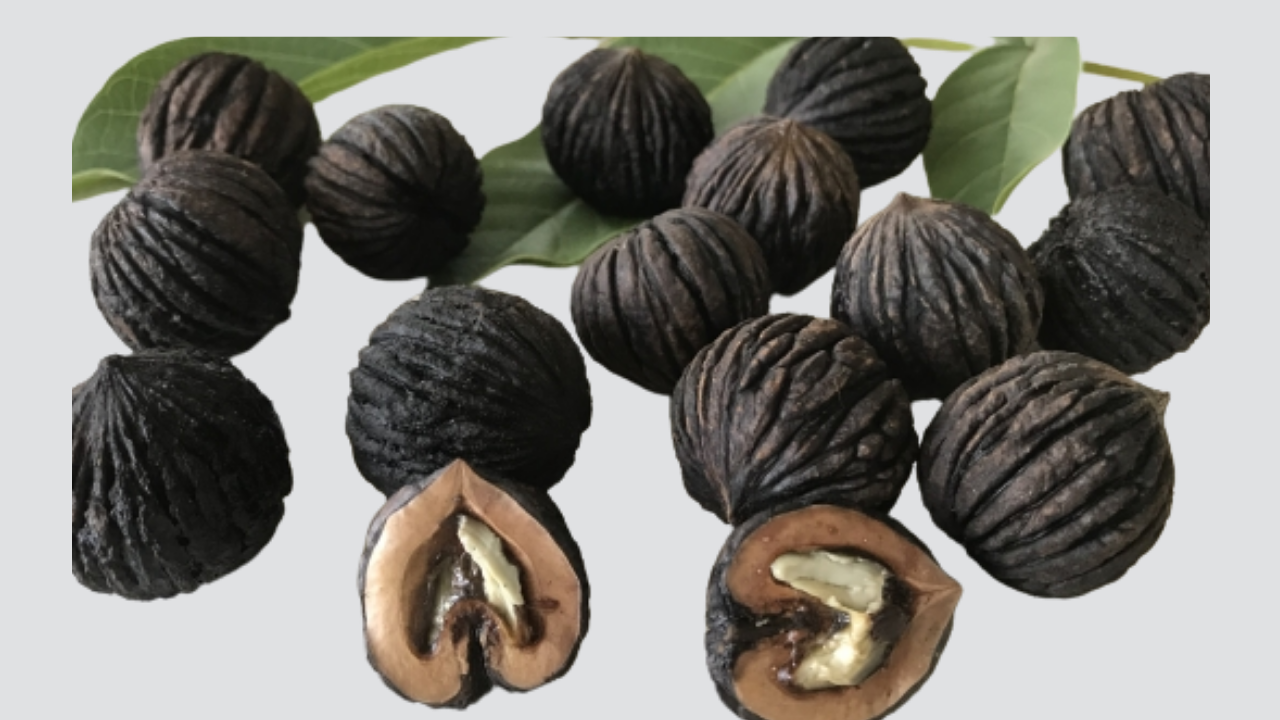
What Are Andean Walnuts?
Andean walnuts are nuts that grow on walnut trees native to parts of the Andes Mountains in South America. They have been valued for generations as a source of food, oil, and income for local communities. These nuts are known for their rich flavor and nutritional benefits. Like other walnuts, they contain healthy fats, protein, fiber, and important minerals.
People often harvest Andean walnuts from trees growing in mountain regions where the climate supports their growth. The nuts can be eaten raw, roasted, or used in a variety of traditional and modern recipes. Their versatility makes them popular among both local consumers and specialty food markets. Today, interest in Andean walnuts continues to grow as more people seek natural and nutritious foods.
Origin and History in the Andes Mountains
The history of Andean walnuts is closely connected to the Andes Mountains, one of the world’s longest mountain ranges. For centuries, communities living in these regions have relied on walnut trees for food and trade. The trees adapted well to the mountain environment, allowing them to thrive in areas with cooler temperatures and varied elevations.
Over time, local farmers developed methods for cultivating and harvesting walnuts more efficiently. These traditions were passed from one generation to the next. As transportation and trade improved, Andean walnuts became available beyond their native regions. Today, they are appreciated both for their cultural heritage and their economic value.
Importance in Local Cultures and Agriculture
Andean walnuts play an important role in many rural communities. Families often use them in traditional dishes, celebrations, and everyday meals. In some areas, walnut trees are considered valuable assets because they provide food and can generate income through local markets.
From an agricultural perspective, walnut cultivation supports many small-scale farmers. The trees can be integrated into farming systems alongside other crops, helping diversify farm production. This creates additional economic opportunities while promoting sustainable land use. As a result, Andean walnuts contribute to both community well-being and agricultural development.
Key Contributions of Andean Walnuts
- Provide a nutritious food source
- Support local farming families
- Generate income through sales and trade
- Preserve traditional agricultural knowledge
- Contribute to sustainable farming practices
How They Differ from Common Walnuts
Although Andean walnuts share similarities with common walnuts, there are several differences. They often grow in higher elevations and unique mountain environments. These growing conditions can influence their flavor, size, and texture.
Another difference is their availability. Common walnuts are widely cultivated around the world and are easy to find in supermarkets. Andean walnuts are generally produced on a smaller scale and may be considered a specialty product. Their connection to the Andes region gives them a distinct identity that appeals to consumers interested in unique and naturally sourced foods.
| Feature | Andean Walnuts | Common Walnuts |
|---|---|---|
| Growing Region | Andes Mountains | Many temperate regions worldwide |
| Availability | Limited and specialty markets | Widely available |
| Cultural Importance | Strong regional heritage | Broad commercial use |
| Farming Scale | Often small-scale farms | Large commercial production |
| Flavor Profile | Rich and distinctive | Mild and familiar |
II. Botanical Characteristics
A. Scientific Classification
Andean walnuts belong to the walnut family, known scientifically as Juglandaceae. This family includes several species of walnut trees that grow in different parts of the world. The Andean walnut is valued for its edible nuts, strong wood, and ability to adapt to mountain environments. Its scientific classification helps researchers and farmers better understand its growth and characteristics.
These walnut trees are native to regions along the Andes Mountains in South America. They are commonly found in countries such as Colombia, Ecuador, Peru, and Bolivia. The trees thrive in areas with moderate temperatures and good rainfall. Their natural habitat has helped shape their unique features and resilience.
Scientific Classification at a Glance
| Classification Level | Name |
|---|---|
| Kingdom | Plantae |
| Family | Juglandaceae |
| Genus | Juglans |
| Common Name | Andean Walnut |
| Native Region | Andes Mountains, South America |
Native Growing Regions
The Andes Mountains provide the ideal environment for Andean walnut trees. These regions offer fertile soils, fresh mountain air, and suitable rainfall throughout much of the year. The trees are often found growing on hillsides and valleys where drainage is good. These conditions help support healthy growth and nut production.
Many rural communities cultivate Andean walnuts alongside other crops. This allows farmers to make efficient use of their land while maintaining agricultural diversity. The trees also help protect the soil from erosion on steep slopes. Because of these benefits, they remain an important part of mountain farming systems.
B. Tree Description
Andean walnut trees are large and sturdy, capable of reaching impressive heights when fully mature. Most trees grow between 50 and 100 feet tall, depending on the growing conditions. They develop a strong trunk and a broad canopy that provides shade. Their deep root systems help them remain stable in mountainous areas.
These trees grow steadily over many years and can tolerate a range of environmental conditions. Young trees focus on developing roots and branches before producing significant nut harvests. Once established, they become productive and require relatively little maintenance. Their strength and adaptability make them valuable for both agriculture and forestry.
Key Tree Features
- Tall and long-lived
- Strong trunk and extensive root system
- Broad, spreading canopy
- Adapted to mountain environments
- Produces edible nuts and valuable timber
Leaves, Flowers, and Fruit
The leaves of the Andean walnut tree are large, green, and arranged in groups along the branches. They provide a dense canopy that helps the tree capture sunlight efficiently. During the growing season, the leaves contribute to the tree’s healthy development. Their appearance also makes the tree attractive in natural landscapes.
The tree produces small flowers that play an important role in nut formation. After pollination, these flowers develop into fruits that contain the walnut inside a protective outer covering. As the fruit matures, the outer husk gradually changes and eventually opens. This signals that the walnuts are ready for harvest.
Lifespan and Productivity
Andean walnut trees are known for their long lifespan. Under favorable conditions, they can live for many decades and continue producing nuts for a large portion of their lives. This makes them a valuable long-term investment for farmers and landowners. A well-maintained tree can provide harvests year after year.
Nut production typically increases as the tree matures. Younger trees produce smaller yields, while older trees can generate larger harvests. Productivity depends on factors such as soil quality, climate, and proper care. With good management, Andean walnut trees can remain productive for generations.
Lifespan and Production Overview
| Feature | Description |
| Average Height | 50–100 feet |
| Growth Rate | Moderate |
| Productive Years | Several decades |
| Main Products | Nuts and timber |
| Lifespan | Often many decade |
III. Growing Regions and Climate
A. Andean Mountain Environment
Andean walnuts grow best in the mountain regions of South America. The Andes Mountains provide the combination of climate, soil, and elevation these trees need to thrive. The environment is generally cool, with fresh air and seasonal rainfall. These natural conditions support healthy tree growth and nut production.
The mountain landscape also helps protect the trees from extreme heat. Many walnut-growing areas have fertile soils formed over thousands of years. These soils provide important nutrients that support strong roots and healthy harvests. As a result, the Andes remain one of the best locations for cultivating these walnuts.
Elevation Requirements
Elevation plays an important role in the growth of Andean walnut trees. They typically grow well at moderate to high elevations where temperatures remain fairly stable throughout the year. Mountain elevations help create the cool conditions that walnuts prefer. The higher altitude also reduces the risk of excessive heat stress.
Trees grown at suitable elevations often produce better-quality nuts. The cooler climate allows the trees to develop steadily over time. Good air circulation in mountain regions also supports healthy growth. This makes elevation one of the key factors for successful cultivation.
Temperature Preferences
Andean walnut trees prefer mild to cool temperatures. They do not perform as well in extremely hot climates. Moderate temperatures help the trees develop strong branches, healthy leaves, and productive fruit. Seasonal temperature changes also support normal growth cycles.
Consistent weather conditions are especially beneficial during flowering and nut development. Sudden temperature extremes can affect production. Farmers often select planting locations that provide a balanced climate throughout the year. This helps ensure reliable harvests.
Rainfall Needs
Adequate rainfall is essential for Andean walnut trees. They require regular moisture, especially during periods of active growth. Natural rainfall in the Andes often provides much of the water needed for healthy development. Well-distributed rainfall supports both root growth and nut formation.
At the same time, the trees do not thrive in waterlogged soil. Good drainage is important because excess water can damage roots. Many mountain slopes naturally provide this drainage. The combination of rainfall and proper soil conditions helps create ideal growing environments.
Climate Requirements Overview
| Factor | Preferred Conditions |
|---|---|
| Elevation | Moderate to high mountain elevations |
| Temperature | Mild to cool conditions |
| Rainfall | Regular and well-distributed |
| Soil Drainage | Good drainage required |
| Growing Environment | Mountain valleys and slopes |
B. Major Producing Countries
Several South American countries produce Andean walnuts. These nations benefit from having portions of the Andes Mountains within their borders. Walnut cultivation supports local agriculture and provides income for farming communities. Production is often concentrated in rural mountain regions.
Each country has its own growing conditions and farming traditions. While production levels vary, all contribute to preserving the cultivation of Andean walnuts. Their combined efforts help supply both local and specialty markets. The following countries are among the most important producers.
Ecuador
Ecuador’s mountainous landscape provides favorable conditions for Andean walnut cultivation. The country’s highland regions offer suitable temperatures and reliable rainfall. Farmers often grow walnut trees alongside other crops, creating diverse farming systems. This approach helps maximize land use and farm income.
Walnut production in Ecuador supports many rural communities. The trees contribute to local food supplies and small-scale agricultural businesses. Their ability to adapt to mountain environments makes them a valuable crop. Interest in walnut cultivation continues to grow in several regions of the country.
Peru
Peru has extensive Andean regions where walnut trees can thrive. The country’s varied elevations create suitable environments for cultivation. Farmers benefit from fertile soils and climatic conditions that support healthy tree growth. These factors contribute to consistent walnut production.
In many areas, walnut farming is part of traditional agricultural practices. Families often maintain orchards that have been cultivated for generations. The nuts are used locally and may also be sold in regional markets. This helps strengthen rural economies while preserving agricultural heritage.
Colombia
Colombia’s Andean highlands provide another important growing region for walnuts. The country’s moderate temperatures and seasonal rainfall create favorable conditions. Farmers cultivate walnut trees in areas where the climate remains relatively stable throughout the year. This supports reliable growth and harvests.
Walnut trees also contribute to environmental conservation efforts. Their deep roots help stabilize soil on hillsides and mountain slopes. This makes them valuable not only as a crop but also as part of sustainable land management practices. As a result, they remain important in many farming communities.
Bolivia
Bolivia’s mountainous regions offer suitable habitats for Andean walnut trees. Many growing areas benefit from cool temperatures and fertile soils. These conditions support healthy orchards and steady nut production. Walnut cultivation is often carried out by small-scale farmers.
The crop provides both food and economic opportunities for local communities. Farmers can sell walnuts in local markets or use them in traditional foods. The trees also contribute to long-term agricultural sustainability. Their value continues to make them an important resource in rural Bolivia.
Major Producing Countries at a Glance
| Country | Key Advantages |
| Ecuador | Cool highlands and reliable rainfall |
| Peru | Diverse elevations and fertile soils |
| Colombia | Stable mountain climate and rich farmland |
| Bolivia | Cool temperatures and productive mountain regions |
IV. Nutritional Profile
A. Key Nutrients
Andean walnuts are packed with nutrients that support overall health. They provide a combination of healthy fats, protein, fiber, vitamins, and minerals in a small serving. These nutrients work together to help the body function properly. This makes Andean walnuts a nutritious addition to a balanced diet.
Unlike many processed snacks, walnuts offer natural nutrition without added ingredients. They are satisfying and can help keep you feeling full between meals. Their nutrient-rich profile has made them popular among people looking for wholesome foods. Regular consumption can contribute to a healthy eating pattern.
Main Nutrients Found in Andean Walnuts
- Healthy fats
- Plant-based protein
- Dietary fiber
- Vitamin E
- B vitamins
- Magnesium
- Phosphorus
- Copper
- Manganese
Healthy Fats
One of the most valuable nutrients in Andean walnuts is their healthy fat content. Most of the fats found in walnuts are unsaturated fats, which are considered heart-friendly. These fats help support normal body functions and provide a source of energy. They also contribute to the rich texture and flavor of walnuts.
Healthy fats play a role in supporting brain function and cell health. They can also help the body absorb certain vitamins more effectively. Because walnuts are naturally rich in these beneficial fats, they are often included in nutritious meal plans. A small handful can provide a meaningful nutritional boost.
Protein
Andean walnuts contain plant-based protein that helps build and repair body tissues. Protein is essential for muscles, bones, skin, and many other parts of the body. Although walnuts are not as high in protein as some legumes, they still contribute to daily protein intake. This makes them a useful addition to vegetarian and plant-focused diets.
Protein also helps promote a feeling of fullness after eating. Combining walnuts with fruits, yogurt, or whole grains can create a more balanced snack. Their protein content works alongside healthy fats to provide lasting satisfaction. This can help reduce the desire for less nutritious snacks.
Fiber
Fiber is another important nutrient found in Andean walnuts. It supports healthy digestion and helps food move through the digestive system. Adequate fiber intake is associated with better digestive health and regular bowel movements. Walnuts can contribute to reaching daily fiber goals.
Fiber also helps people feel full for longer periods. This may support healthy eating habits by reducing unnecessary snacking. Since many people do not get enough fiber in their diets, adding walnuts can be a simple way to increase intake. Their fiber content adds to their overall nutritional value.
Vitamins and Minerals
Andean walnuts provide several vitamins and minerals that the body needs every day. These nutrients support energy production, bone health, nerve function, and many other processes. Walnuts are especially valued for minerals such as magnesium, phosphorus, copper, and manganese. Each plays a unique role in maintaining health.
The vitamins and minerals in walnuts work together with their healthy fats and protein. This combination makes them a nutrient-dense food. Even a small serving provides a range of beneficial nutrients. As a result, walnuts offer more than just calories—they provide meaningful nourishment.
Important Vitamins and Minerals
| Nutrient | Role in the Body |
|---|---|
| Vitamin E | Supports cell protection |
| Magnesium | Supports muscles and nerves |
| Phosphorus | Helps maintain strong bones |
| Copper | Assists with energy production |
| Manganese | Supports metabolism |
| B Vitamins | Help convert food into energy |
B. Antioxidant Content
Andean walnuts contain natural antioxidants that help protect the body’s cells. Antioxidants help combat damage caused by unstable molecules known as free radicals. This protective effect is one reason walnuts are often included in health-focused diets. Their antioxidant content adds to their nutritional appeal.
Several compounds contribute to the antioxidant power of walnuts. These include polyphenols, omega-3 fatty acids, and other naturally occurring plant substances. Together, they help support overall wellness. Researchers continue to study how these compounds contribute to long-term health.
Polyphenols
Polyphenols are plant compounds found in many fruits, vegetables, and nuts. Andean walnuts contain these natural substances, particularly in their outer layers. Polyphenols are valued for their antioxidant properties and their role in supporting cell health. They help protect the nut itself and may also benefit human health.
These compounds are one reason walnuts are considered a nutrient-rich food. Polyphenols work alongside other antioxidants found in the nut. Their combined effects contribute to the walnut’s reputation as a healthy snack. Including walnuts in a varied diet can increase intake of these beneficial plant compounds.
Omega-3 Fatty Acids
Andean walnuts contain omega-3 fatty acids, which are a type of healthy fat. These fats are important because the body cannot produce enough of them on its own. Omega-3s support many functions throughout the body and are often associated with heart and brain health. Walnuts are one of the few nuts that naturally provide meaningful amounts of these fats.
Adding walnuts to meals is a simple way to increase omega-3 intake. They can be sprinkled on salads, mixed into oatmeal, or eaten as a snack. Their versatility makes them easy to include in daily meals. This nutrient is one of the key reasons walnuts are highly regarded.
Health-Promoting Compounds
In addition to polyphenols and omega-3s, Andean walnuts contain a variety of other beneficial plant compounds. These naturally occurring substances work together to support overall wellness. While each compound has its own role, their combined effect contributes to the nutritional strength of walnuts. Scientists continue to explore their potential health benefits.
These compounds are part of what makes whole foods valuable. Rather than providing just one nutrient, walnuts deliver a broad range of naturally occurring substances. This combination supports a balanced diet and healthy lifestyle. Eating a variety of nutrient-rich foods, including walnuts, helps promote overall well-being.
Antioxidant Components in Andean Walnuts
| Compound | Primary Benefit |
| Polyphenols | Help protect cells from damage |
| Omega-3 Fatty Acids | Support heart and brain health |
| Vitamin E | Acts as an antioxidant |
| Plant Compounds | Contribute to overall wellness |
| Natural Antioxidants | Help fight oxidative stress |
V. Health Benefits of Andean Walnuts
A. Heart Health
Andean walnuts are often associated with heart health because they contain healthy unsaturated fats. These fats can be part of a balanced diet that supports normal cholesterol levels. Unlike foods high in unhealthy fats, walnuts provide nutrients that may help maintain cardiovascular wellness. Their nutrient-rich profile makes them a smart choice for heart-conscious eating.
Walnuts also contain antioxidants and plant compounds that support overall health. These nutrients work together to help protect the body’s cells. When combined with regular exercise and healthy eating habits, walnuts can contribute to long-term heart wellness. A small serving can be an easy addition to daily meals.
Ways Walnuts Support Heart Health
- Provide heart-friendly unsaturated fats
- Contain natural antioxidants
- Offer plant-based nutrition
- Support balanced eating habits
- Fit into heart-conscious diets
Supporting Healthy Cholesterol Levels
Healthy cholesterol balance is important for maintaining good heart function. The fats found in Andean walnuts are mainly unsaturated, which are generally considered beneficial. Replacing less healthy snacks with walnuts may support better dietary choices. This can contribute to overall cardiovascular health.
Walnuts are also free from cholesterol because they are plant-based foods. Their combination of healthy fats, fiber, and nutrients makes them a valuable part of a balanced diet. Consistent healthy eating patterns often have the greatest impact. Walnuts can be one piece of that overall approach.
Promoting Cardiovascular Wellness
Cardiovascular wellness refers to the health of the heart and blood vessels. Andean walnuts provide nutrients that support normal body functions related to circulation and heart health. Their healthy fat content helps distinguish them from many processed snack foods. This makes them a nutritious option for everyday eating.
Including walnuts in meals can help diversify nutrient intake. They pair well with fruits, vegetables, and whole grains. Together, these foods create a balanced eating pattern. This overall dietary approach supports cardiovascular wellness.
B. Brain Function
Andean walnuts are often linked to brain health because they contain healthy fats and important nutrients. The brain relies on a steady supply of nutrients to function properly. Walnuts provide several compounds that support normal cognitive processes. Their nutrient density makes them a valuable addition to a healthy diet.
Many people include walnuts in their meals to help support overall wellness. While no single food can guarantee brain health, nutrient-rich foods play an important role. Walnuts fit well into a balanced lifestyle focused on long-term health. Their combination of nutrients contributes to their reputation as a brain-friendly food.
Nutrients Linked to Cognitive Health
The omega-3 fatty acids found in walnuts are among the nutrients most commonly associated with cognitive health. These healthy fats are important for normal brain function. Walnuts also contain antioxidants and minerals that support overall wellness. Together, these nutrients help nourish the body and brain.
The brain requires a variety of nutrients to perform daily tasks. Eating a diverse diet that includes foods like walnuts can help meet those needs. Walnuts provide several beneficial compounds in one convenient food. This makes them an easy addition to healthy eating plans.
Memory and Concentration Support
Memory and concentration depend on many factors, including sleep, exercise, and nutrition. Walnuts contribute nutrients that support overall brain function. Their healthy fats and antioxidants may help support mental performance as part of a balanced lifestyle. Regular healthy habits are key to maintaining cognitive wellness.
Adding walnuts to breakfast or snacks can be a simple way to include these nutrients. They can be mixed into oatmeal, yogurt, or trail mix. Their convenience makes them easy to enjoy throughout the day. Small dietary choices can contribute to long-term wellness goals.
C. Digestive Health
Andean walnuts contain dietary fiber, which plays an important role in digestion. Fiber helps move food through the digestive system and supports regular bowel movements. Many people do not consume enough fiber each day. Walnuts can help increase overall fiber intake.
Digestive health is closely connected to overall well-being. A healthy digestive system helps the body use nutrients efficiently. Including fiber-rich foods like walnuts can support this process. Their nutritional value extends beyond their healthy fat content.
Fiber Benefits
Fiber helps create a feeling of fullness after meals and supports digestive regularity. It adds bulk to the diet and helps maintain normal digestive function. Walnuts provide fiber along with protein and healthy fats. This combination makes them a satisfying snack.
Unlike many highly processed foods, walnuts provide natural nutrients with minimal processing. Their fiber content contributes to their overall health benefits. Including a variety of fiber-rich foods supports a balanced diet. Walnuts can be part of that healthy mix.
Gut Health Support
A healthy gut depends on a variety of nutrients and healthy eating habits. Fiber-rich foods help support the balance of beneficial bacteria in the digestive system. Walnuts contribute fiber that may help support a healthy gut environment. This makes them a valuable part of a balanced diet.
Good digestive health can influence many aspects of overall wellness. Eating a variety of whole foods helps provide the nutrients the gut needs. Walnuts fit well into this approach. Their nutritional profile supports digestive and overall health.
D. Weight Management
Andean walnuts can be a useful food for people working toward healthy weight goals. They provide a combination of healthy fats, protein, and fiber. These nutrients help create a feeling of satisfaction after eating. As a result, walnuts can help reduce the urge to snack frequently.
Although walnuts are calorie-dense, they are also highly nutritious. Their nutrient content helps make each serving more satisfying. Portion control remains important, but walnuts can fit into a healthy eating plan. Their balance of nutrients supports overall dietary quality.
Satiety and Appetite Control
Satiety is the feeling of fullness after eating. The fiber, protein, and healthy fats in walnuts work together to help promote this feeling. Foods that provide lasting satisfaction may help reduce unnecessary snacking between meals. This can support healthy eating habits.
Walnuts are easy to carry and convenient to eat. A small portion can make a satisfying snack during busy days. Their nutrient-rich composition helps distinguish them from many processed alternatives. This makes them a practical option for appetite management.
Nutrient Density
Nutrient density refers to the amount of nutrition a food provides compared to its calorie content. Andean walnuts deliver several important nutrients in a relatively small serving. They provide healthy fats, protein, fiber, vitamins, and minerals all at once. This makes them a nutrient-dense food.
Choosing nutrient-dense foods can improve the quality of a diet. Walnuts offer multiple nutritional benefits without requiring large portions. Their versatility also makes them easy to add to meals and snacks. This contributes to their popularity among health-conscious consumers.
E. Anti-Inflammatory Properties
Andean walnuts contain natural compounds that may help support the body’s normal response to inflammation. These include omega-3 fatty acids, antioxidants, and various plant compounds. Such nutrients are often studied for their role in promoting overall wellness. Their presence adds to the nutritional value of walnuts.
Inflammation is a natural process in the body, but long-term inflammation can be a concern. Eating nutrient-rich foods is one way to support overall health. Walnuts provide several compounds that fit into a healthy eating pattern. They are often included in diets focused on wellness and prevention.
Natural Compounds That Help Reduce Inflammation
Several nutrients in walnuts are known for their protective properties. Omega-3 fatty acids are among the most recognized. Antioxidants such as polyphenols also contribute to the walnut’s nutritional benefits. Together, these compounds help support overall health.
No single food can prevent or cure health conditions. However, a balanced diet rich in nutrient-dense foods can support wellness over time. Walnuts are one example of a food that provides multiple beneficial nutrients. Their natural compounds make them a valuable addition to healthy eating plans.
Summary of Health Benefits
| Health Area | Key Benefit |
|---|---|
| Heart Health | Supports healthy cholesterol and cardiovascular wellness |
| Brain Function | Provides nutrients linked to cognitive health |
| Digestive Health | Supplies fiber for digestive support |
| Weight Management | Promotes fullness and nutrient intake |
| Anti-Inflammatory Support | Contains omega-3s and antioxidants |
VI. Cultivation and Farming Practices
Growing Andean walnuts requires careful planning and ongoing care. Farmers must select quality planting materials, prepare the land properly, and maintain healthy growing conditions. These steps help trees develop strong roots and produce quality nuts. Good farming practices can improve both yield and tree longevity.
Walnut trees are long-term crops that can remain productive for many years. Because of this, early management decisions are very important. Proper planting and maintenance help ensure healthy growth throughout the life of the orchard. Consistent care often leads to better harvests over time.
A. Planting Methods
Successful walnut production begins with proper planting methods. Farmers focus on selecting healthy seeds or seedlings and preparing suitable nursery conditions. These early stages influence future tree performance. Strong planting materials provide the foundation for productive orchards.
Young walnut trees need protection and attention during their first years of growth. Proper spacing, healthy soil, and adequate moisture help them establish successfully. Careful management at this stage can reduce future problems. Healthy young trees are more likely to become productive mature trees.
Seed Selection
Choosing high-quality seeds is one of the first steps in walnut cultivation. Farmers often select seeds from healthy, productive trees with desirable characteristics. Good seeds are more likely to produce vigorous seedlings. This helps improve the overall quality of the orchard.
Seeds should be free from visible damage, disease, and insect infestation. Healthy seeds typically have a higher germination rate. Careful selection helps reduce losses during the early stages of growth. It also supports stronger tree development in the future.
Characteristics of Good Walnut Seeds
- Taken from healthy parent trees
- Free from pests and diseases
- Fully mature and well-developed
- High germination potential
- Suitable for local growing conditions
Nursery Preparation
Many farmers begin walnut production in nurseries before transplanting seedlings to the field. A nursery provides a protected environment where young plants can develop strong roots. This stage helps improve survival rates after planting. Healthy nursery management supports vigorous seedling growth.
The nursery area should have fertile soil, adequate drainage, and access to water. Seedlings need protection from extreme weather and pests. Regular monitoring helps identify problems before they become serious. Well-grown nursery plants are better prepared for field conditions.
Related: https://sundrg.com/12-proven-health-benefits-of-walnuts/
Basic Nursery Requirements
| Requirement | Purpose |
|---|---|
| Fertile Soil | Supports healthy root growth |
| Good Drainage | Prevents waterlogging |
| Adequate Water | Maintains seedling health |
| Sunlight | Encourages growth |
| Pest Protection | Reduces plant damage |
B. Tree Care
After planting, walnut trees require regular care to remain healthy and productive. Proper irrigation, fertilization, and pest management all play important roles. These practices help trees grow strong and produce quality nuts. Consistent care can improve orchard performance for many years.
Tree care needs may vary depending on climate, soil conditions, and tree age. Young trees often require more attention than mature trees. Farmers monitor growth throughout the year to identify potential issues. Preventive care is often more effective than corrective action.
Irrigation
Water is essential for healthy walnut tree growth. Young trees especially need a reliable supply of moisture while establishing their root systems. Adequate irrigation supports leaf development, flowering, and nut formation. Consistent watering is particularly important during dry periods.
At the same time, excessive watering should be avoided. Too much water can damage roots and create favorable conditions for disease. Farmers aim to maintain balanced soil moisture levels. Proper irrigation helps support healthy growth throughout the growing season.
Benefits of Proper Irrigation
- Supports root development
- Encourages healthy leaf growth
- Assists nut production
- Reduces drought stress
- Improves overall tree health
Fertilization
Walnut trees need nutrients to grow and produce nuts. Fertilizers help replenish nutrients that may be lacking in the soil. Common nutrients include nitrogen, phosphorus, and potassium. These elements support various stages of tree growth and development.
Many farmers use soil testing to determine nutrient needs. Applying the correct amount of fertilizer helps avoid waste and improves efficiency. Balanced nutrition promotes stronger trees and better yields. Healthy soil is one of the keys to successful walnut production.
Common Nutrients for Walnut Trees
| Nutrient | Main Function |
| Nitrogen | Supports leaf and shoot growth |
| Phosphorus | Encourages root development |
| Potassium | Supports overall tree health |
| Calcium | Helps strengthen plant tissues |
| Magnesium | Supports photosynthesis |
Pest Management
Pests can affect walnut trees by damaging leaves, branches, and developing nuts. Effective pest management helps protect tree health and productivity. Farmers often inspect orchards regularly to identify problems early. Early detection allows for quicker and more effective control.
Integrated pest management combines monitoring, cultural practices, and appropriate treatments when needed. Maintaining healthy trees can also reduce pest pressure. Good orchard sanitation helps limit pest populations. A proactive approach often produces the best results.
Common Pest Management Practices
- Regular orchard inspections
- Removal of damaged plant material
- Maintaining orchard cleanliness
- Encouraging beneficial insects
- Applying treatments when necessary
C. Harvesting
Harvesting is one of the most important stages of walnut production. Proper timing helps ensure good nut quality and storage life. Farmers watch for signs that indicate the nuts have reached maturity. Careful harvesting helps minimize damage to the crop.
The harvesting process may vary depending on orchard size and available equipment. Some growers harvest by hand, while others use mechanical methods. Regardless of the approach, gentle handling is important. Good harvesting practices help preserve nut quality.
Signs of Maturity
Walnuts show several signs when they are ready for harvest. The outer husk often begins to split or change color as the nuts mature. Mature nuts may also start falling naturally from the tree. These changes help farmers determine the best harvest time.
Harvesting too early can reduce nut quality and flavor. Waiting too long may increase losses from pests, weather, or spoilage. Careful observation helps farmers choose the right harvest window. Proper timing contributes to better yields and market value.
Common Signs That Walnuts Are Ready
- Husks begin to split
- Outer covering changes color
- Nuts fall naturally from trees
- Kernels are fully developed
- Moisture levels decrease
Harvest Techniques
Farmers use different techniques to collect walnuts depending on orchard conditions. Hand harvesting is common in smaller orchards and steep mountain areas. Larger operations may use mechanical equipment to shake trees and gather fallen nuts. Both methods aim to collect mature nuts efficiently.
Harvested nuts should be gathered promptly to reduce exposure to moisture and pests. Clean collection methods help maintain product quality. Careful handling reduces cracking and damage. This improves the value of the harvested crop.
Post-Harvest Handling
After harvesting, walnuts must be cleaned, dried, and stored properly. Removing dirt and plant debris helps maintain quality and safety. Drying reduces moisture levels and helps prevent mold growth. Proper drying is one of the most important post-harvest steps.
Stored walnuts should be kept in cool, dry conditions. Good storage helps preserve flavor, texture, and nutritional quality. Farmers regularly monitor storage conditions to prevent spoilage. Careful post-harvest handling helps maximize the value of the crop.
Post-Harvest Checklist
| Step | Purpose |
| Cleaning | Removes dirt and debris |
| Drying | Reduces moisture content |
| Sorting | Separates damaged nuts |
| Packaging | Protects product quality |
| Storage | Extends shelf life |
VII. Processing and Storage
Proper processing and storage are essential for maintaining the quality of Andean walnuts. After harvest, the nuts must be cleaned, dried, and stored under suitable conditions. These steps help preserve flavor, texture, and nutritional value. Good handling also reduces the risk of spoilage and product loss.
The way walnuts are processed can influence their market value and shelf life. Farmers and processors use both traditional and modern methods to prepare nuts for consumption and sale. Each approach has its own advantages depending on the scale of production. Careful processing helps ensure a safe and high-quality product.
A. Cleaning and Drying
Cleaning and drying are the first major steps after harvesting walnuts. Freshly harvested nuts often contain dirt, leaves, husk fragments, and other debris. Removing these materials helps improve product quality and appearance. It also prepares the walnuts for safe storage.
Drying is equally important because excess moisture can lead to mold growth and spoilage. Reducing moisture levels helps preserve the nuts for longer periods. Proper drying also improves flavor and storage stability. Together, cleaning and drying help protect the value of the harvest.
Why Cleaning and Drying Matter
- Remove dirt and plant debris
- Improve product quality
- Reduce the risk of mold
- Extend storage life
- Prepare nuts for packaging and sale
Traditional Methods
For generations, farmers in the Andes have relied on traditional processing methods. After harvest, walnuts are often cleaned by hand to remove husks and unwanted materials. This careful sorting allows farmers to select the best-quality nuts. Hand processing remains common in many rural communities.
Drying is often done naturally using sunlight and fresh air. Walnuts may be spread on mats, raised platforms, or clean surfaces for several days. Farmers regularly turn the nuts to promote even drying. This simple method requires little equipment and has been used successfully for many years.
Common Traditional Practices
| Method | Purpose |
|---|---|
| Hand Cleaning | Removes debris and damaged nuts |
| Manual Sorting | Separates quality nuts |
| Sun Drying | Lowers moisture naturally |
| Air Drying | Improves storage readiness |
| Regular Turning | Ensures even drying |
Modern Processing Techniques
Modern walnut processing uses specialized equipment to improve efficiency and consistency. Mechanical cleaners can remove dirt and debris more quickly than manual methods. Sorting machines help separate walnuts based on size and quality. These technologies help processors handle larger volumes of nuts.
Modern drying systems allow better control of temperature and airflow. Controlled drying helps reduce moisture without damaging the nuts. This process often produces more uniform results than natural drying. As production expands, many commercial operations rely on these techniques to maintain quality standards.
Advantages of Modern Processing
- Faster cleaning and sorting
- More consistent quality
- Better moisture control
- Reduced labor requirements
- Increased processing capacity
B. Storage Requirements
Proper storage helps maintain the quality of Andean walnuts after processing. Even well-dried walnuts can deteriorate if stored under poor conditions. Temperature, moisture, and air exposure all affect storage life. Managing these factors helps preserve freshness and flavor.
Storage facilities should be clean, dry, and protected from pests. Good ventilation also helps maintain stable conditions. Regular inspections can identify potential problems before they affect the product. Careful storage management helps maximize shelf life.
Temperature Considerations
Temperature plays a major role in walnut storage. Cool conditions help slow down the natural processes that cause nuts to lose freshness. Excessive heat can affect flavor, texture, and overall quality. Maintaining moderate temperatures helps preserve the product for longer periods.
Many commercial facilities use temperature-controlled storage areas. These environments provide stable conditions throughout the year. Even in smaller operations, storing walnuts in cool locations can improve shelf life. Temperature management remains one of the most important storage practices.
Recommended Storage Conditions
| Factor | Recommended Condition |
| Temperature | Cool and stable |
| Humidity | Low to moderate |
| Airflow | Good ventilation |
| Storage Area | Clean and dry |
| Pest Control | Regular monitoring |
Moisture Control
Moisture is one of the biggest threats to stored walnuts. Excess moisture can encourage mold growth and reduce product quality. This is why walnuts must be thoroughly dried before storage. Maintaining dry conditions helps protect the nuts from damage.
Storage containers and facilities should prevent moisture from entering. Regular inspections help identify leaks or humidity problems. Proper packaging can provide additional protection. Effective moisture control is essential for long-term storage success.
Moisture Management Tips
- Dry walnuts thoroughly before storage
- Use clean, dry storage containers
- Monitor humidity levels regularly
- Keep storage areas well ventilated
- Inspect for signs of mold or moisture buildup
Shelf Life
The shelf life of Andean walnuts depends on how they are processed and stored. Properly dried and stored walnuts can remain in good condition for several months. Cooler storage temperatures often help extend freshness even further. Good handling practices play a major role in maintaining quality.
Over time, walnuts may gradually lose flavor and texture if storage conditions are poor. Exposure to heat, moisture, and air can speed up this process. Regular quality checks help identify any changes during storage. Proper management allows walnuts to remain marketable for longer periods.
Factors Affecting Shelf Life
| Factor | Impact on Storage Life |
| Drying Quality | Better drying extends shelf life |
| Temperature | Cooler storage improves freshness |
| Moisture Levels | Low moisture reduces spoilage risk |
| Packaging | Protects against contamination |
| Storage Conditions | Good conditions maintain quality |
VIII. Culinary Uses
Andean walnuts are valued not only for their nutritional benefits but also for their versatility in the kitchen. They can be used in traditional recipes that have been passed down through generations or incorporated into modern dishes. Their rich flavor and crunchy texture make them suitable for both sweet and savory foods. As a result, they remain an important ingredient in many households and food businesses.
From mountain villages to modern restaurants, Andean walnuts continue to play a role in food culture. They add taste, texture, and nutritional value to a wide variety of dishes. Whether eaten whole, chopped, ground, or pressed into oil, these walnuts offer many culinary possibilities. Their flexibility makes them popular among home cooks and professional chefs alike.
A. Traditional Andean Recipes
For centuries, Andean walnuts have been included in regional cuisines throughout the Andes Mountains. Families often use them in recipes that reflect local ingredients and cultural traditions. These dishes are commonly prepared during family gatherings, celebrations, and community events. The use of walnuts helps connect food with cultural heritage.
Traditional recipes often highlight the natural flavor of the walnuts. They may be combined with grains, fruits, vegetables, or local spices. Many of these dishes have been shared across generations. This helps preserve culinary traditions while showcasing the value of locally grown foods.
Common Traditional Uses
- Walnut-based sauces
- Nut-filled pastries
- Traditional desserts
- Grain and nut dishes
- Festive holiday foods
Regional Dishes
Different regions of the Andes have developed their own ways of using walnuts in cooking. In some areas, walnuts are ground into sauces served with vegetables or meat dishes. In others, they are added to breads, cakes, and traditional sweets. Local ingredients often influence how walnuts are prepared and served.
These regional recipes reflect the diversity of Andean food culture. Each area brings unique flavors and cooking techniques to its dishes. Walnuts contribute both texture and richness to these meals. Their adaptability allows them to fit into many types of cuisine.
Examples of Regional Walnut Dishes
| Dish Type | Common Use of Walnuts |
|---|---|
| Sauces | Ground into creamy mixtures |
| Desserts | Added to sweets and pastries |
| Breads | Mixed into dough |
| Grain Dishes | Combined with local grains |
| Festive Foods | Featured during celebrations |
Cultural Significance
Andean walnuts have cultural value beyond their role as food. In many communities, walnut trees are connected to family traditions and agricultural heritage. The harvest season often brings people together for gathering and processing activities. These shared experiences strengthen community bonds.
Traditional recipes featuring walnuts are often associated with important events and celebrations. Preparing these foods helps preserve local customs and identity. The continued use of walnuts reflects a respect for the region’s natural resources. They remain an important symbol of cultural continuity.
B. Modern Uses
Today, Andean walnuts are used in many contemporary recipes. Their nutritional value and pleasant flavor make them popular in health-conscious cooking. They can easily be added to breakfast dishes, baked goods, salads, and snacks. Modern consumers appreciate their versatility and convenience.
Food manufacturers also use walnuts in packaged products such as granola, energy bars, and nut blends. Their ability to complement both sweet and savory flavors makes them highly adaptable. As interest in nutritious foods grows, walnuts continue to gain popularity. Their use extends far beyond traditional recipes.
Popular Modern Applications
- Baked goods
- Fresh salads
- Smoothies
- Trail mixes
- Energy bars
- Breakfast bowls
Baking
Walnuts are widely used in baking because they add texture and flavor. They are often included in breads, muffins, cookies, cakes, and pastries. Chopped walnuts create a pleasant crunch while enhancing the overall taste of baked products. Their natural richness pairs well with many ingredients.
Bakers also appreciate the nutritional value walnuts provide. They can increase the protein, fiber, and healthy fat content of recipes. Walnuts blend well with fruits, spices, and chocolate. This versatility makes them a popular baking ingredient.
Common Baked Foods with Walnuts
| Product | Role of Walnuts |
| Cakes | Adds texture and flavor |
| Muffins | Provides crunch |
| Cookies | Enhances richness |
| Breads | Improves nutritional value |
| Pastries | Adds variety and taste |
Salads
Walnuts are a popular addition to fresh salads. Their crunchy texture contrasts well with leafy greens and soft vegetables. They also pair nicely with fruits such as apples, pears, and berries. A small handful can enhance both flavor and nutrition.
Many salad recipes combine walnuts with cheese, herbs, and light dressings. Their rich taste complements a wide range of ingredients. Walnuts can be used raw or lightly toasted for extra flavor. This simple addition can transform an ordinary salad into a more satisfying meal.
Smoothies
Walnuts can be blended into smoothies to increase their nutritional value. They add healthy fats, protein, and a creamy texture without overwhelming the flavor. Many people combine walnuts with fruits, yogurt, milk, or plant-based beverages. This creates a balanced and filling drink.
Smoothies are a convenient way to include walnuts in daily meals. They can be prepared quickly and customized to individual preferences. Ground or soaked walnuts often blend more easily. Their mild flavor works well with many smoothie ingredients.
Snack Mixes
Walnuts are frequently included in snack mixes because they are nutritious and easy to eat. They combine well with dried fruits, seeds, and other nuts. These mixtures provide a convenient snack for travel, work, or outdoor activities. Walnuts contribute both flavor and texture.
Snack mixes can be customized to suit different tastes. Some include sweet ingredients, while others focus on savory flavors. Walnuts fit well into both styles. Their versatility makes them a valuable component of healthy snack options.
Ingredients Commonly Paired with Walnuts
- Raisins
- Dried cranberries
- Almonds
- Pumpkin seeds
- Sunflower seeds
- Dark chocolate pieces
C. Walnut Oil Production
Walnut oil is another valuable product made from Andean walnuts. The oil is extracted from the nut kernels and is prized for its rich flavor and nutritional qualities. It is used in cooking, food preparation, and specialty products. Walnut oil offers an additional way to benefit from the walnut harvest.
The quality of walnut oil depends on the extraction process and the condition of the nuts. Proper handling helps preserve flavor and nutritional value. High-quality oil is often considered a premium product. Its growing popularity has increased interest in walnut oil production.
Extraction Methods
Walnut oil can be produced using different extraction techniques. Traditional methods often involve crushing the nuts and pressing them to release the oil. Modern facilities may use mechanical presses designed for greater efficiency. These systems help maximize oil yield while maintaining quality.
Cold-pressing is a common method because it helps preserve the natural characteristics of the oil. This process avoids excessive heat during extraction. As a result, the oil retains much of its original flavor and aroma. Many consumers prefer cold-pressed walnut oil for culinary use.
Walnut Oil Extraction Methods
| Method | Description |
| Traditional Pressing | Manual or simple mechanical pressing |
| Cold Pressing | Extracts oil with minimal heat |
| Mechanical Pressing | Uses modern equipment for efficiency |
| Filtration | Removes impurities from oil |
Culinary Applications
Walnut oil is used in a variety of culinary applications. Its rich, nutty flavor makes it popular in salad dressings and marinades. It can also be drizzled over vegetables, grains, and finished dishes. A small amount often adds depth and complexity to recipes.
Because walnut oil has a delicate flavor, it is commonly used as a finishing oil rather than for high-heat cooking. Many chefs use it to enhance the taste of salads and gourmet dishes. It pairs especially well with fresh vegetables and mild cheeses. Its versatility has made it a valued ingredient in modern kitchens.
Popular Uses of Walnut Oil
- Salad dressings
- Marinades
- Vegetable dishes
- Grain bowls
- Gourmet recipes
- Finishing oil for prepared foods
IX. Economic Importance
Andean walnuts play an important role in the economies of many rural communities throughout the Andes region. They provide income for farmers, create employment opportunities, and contribute to local trade. Beyond their value as a food crop, walnuts support businesses involved in processing, packaging, and distribution. This makes them an important agricultural resource.
As interest in nutritious and specialty foods continues to grow, Andean walnuts are attracting attention in both local and international markets. Their economic value extends beyond farming and includes opportunities for exports and value-added products. At the same time, walnut cultivation can support environmentally friendly farming practices. These combined benefits strengthen their importance in regional development.
A. Local Farming Communities
For many rural families, walnut cultivation provides a reliable source of income. Farmers can sell raw walnuts, processed products, or walnut oil to local markets. The long lifespan of walnut trees also allows them to generate value for many years. This makes walnut farming an attractive long-term agricultural investment.
Walnut production often supports small-scale farming operations. Many growers cultivate walnuts alongside other crops, creating multiple sources of income. This diversity can help reduce financial risks. As a result, walnuts contribute to both household stability and local economic growth.
Benefits for Local Communities
- Provides income for farming families
- Supports local businesses
- Creates employment opportunities
- Encourages agricultural diversification
- Strengthens rural economies
Income Generation
Andean walnuts generate income through several channels. Farmers may sell fresh walnuts, dried nuts, walnut kernels, or processed products. Higher-value products often provide greater earning potential. This creates opportunities for farmers to increase profits through processing and marketing.
Walnut trees can remain productive for decades when properly managed. This allows growers to benefit from long-term harvests. Regular production can provide a steady source of revenue from year to year. For many households, walnut cultivation represents an important economic asset.
Sources of Farm Income
| Product | Income Opportunity |
|---|---|
| Whole Walnuts | Direct market sales |
| Walnut Kernels | Higher-value product |
| Walnut Oil | Specialty market sales |
| Processed Foods | Additional revenue source |
| Tree Seedlings | Nursery sales |
Rural Employment
Walnut production creates jobs throughout the supply chain. Workers may be involved in planting, orchard maintenance, harvesting, processing, and packaging. Transportation and marketing activities also create employment opportunities. These jobs help support rural communities where other economic opportunities may be limited.
Seasonal labor is often needed during harvest periods. Processing facilities may also require workers throughout the year. As walnut production expands, employment opportunities can increase. This contributes to economic activity in agricultural regions.
Employment Opportunities in the Walnut Industry
- Orchard workers
- Nursery operators
- Harvest laborers
- Processing staff
- Transport providers
- Market vendors
B. Export Opportunities
Growing interest in healthy and natural foods has created new opportunities for walnut exports. Consumers around the world are seeking nutritious products that fit into balanced diets. This trend has increased demand for walnuts and walnut-based products. Producers who meet quality standards may benefit from expanding international trade.
Export markets can provide access to larger customer bases and higher-value sales opportunities. Specialty products such as walnut oil and premium walnut kernels are especially attractive to international buyers. As awareness of Andean walnuts grows, export potential may continue to increase. This creates new possibilities for farmers and businesses.
Growing Global Demand
Demand for walnuts has increased in many parts of the world due to growing interest in health and wellness. Consumers value walnuts for their nutritional content and versatility in cooking. Food manufacturers also use walnuts in a variety of products. These factors continue to support market growth.
The popularity of plant-based and natural foods has further strengthened demand. Walnuts fit well into many modern dietary preferences. Their reputation as a nutrient-rich food helps maintain consumer interest. This trend may create additional opportunities for producers in the future.
Factors Driving Demand
| Factor | Impact |
| Health Awareness | Increases consumer interest |
| Plant-Based Diets | Expands walnut consumption |
| Food Manufacturing | Creates industrial demand |
| Specialty Foods | Supports premium pricing |
| Global Trade | Opens new markets |
International Markets
International markets offer opportunities for producers to sell walnuts beyond their home countries. Exporting can help increase revenue and expand market reach. Countries with strong demand for nuts and healthy foods may become important buyers. Access to these markets can support industry growth.
To succeed in international trade, producers often need to meet quality, safety, and packaging standards. Reliable supply chains are also important. Meeting these requirements can improve competitiveness in global markets. Successful exports can bring additional economic benefits to farming communities.
C. Sustainable Agriculture
Andean walnut cultivation can contribute to sustainable agricultural practices. Walnut trees are long-lived and can be integrated into environmentally friendly farming systems. Their presence helps support soil conservation and landscape stability. These benefits make walnuts valuable beyond their economic role.
Sustainable farming approaches aim to balance productivity with environmental protection. Walnut cultivation often aligns well with these goals. Farmers can combine walnut trees with other crops to create more diverse and resilient farming systems. This approach benefits both people and the environment.
Environmental Benefits
Walnut trees provide several environmental advantages. Their roots help stabilize soil and reduce erosion, especially in mountainous regions. The trees also contribute organic matter to the soil through fallen leaves and plant material. These natural processes support soil health over time.
Trees can also provide habitat for wildlife and contribute to biodiversity. Their canopies help moderate temperatures and improve local growing conditions. As a result, walnut cultivation can support healthier agricultural landscapes. These benefits make walnut trees an important part of sustainable land management.
Environmental Contributions
- Helps reduce soil erosion
- Improves soil quality
- Supports biodiversity
- Provides wildlife habitat
- Contributes to landscape stability
Agroforestry Systems
Agroforestry combines trees with crops or livestock on the same land. Andean walnut trees are well suited to these systems because they can grow alongside other agricultural activities. This approach allows farmers to make more efficient use of available land. It also creates multiple sources of production and income.
Agroforestry systems can improve resilience by reducing dependence on a single crop. Trees provide shade, help protect the soil, and contribute to ecosystem health. Farmers often benefit from increased diversity and long-term sustainability. Walnut trees are an important component of many successful agroforestry systems.
Advantages of Agroforestry with Walnuts
| Benefit | Description |
| Land Efficiency | Multiple products from one area |
| Soil Protection | Reduces erosion and degradation |
| Income Diversity | Creates additional revenue streams |
| Biodiversity | Supports a variety of species |
| Sustainability | Promotes long-term farm productivity |
Key Economic Contributions of Andean Walnuts
| Area | Contribution |
| Farming Families | Generates income |
| Rural Communities | Creates employment |
| Export Markets | Expands trade opportunities |
| Food Industry | Supplies valuable ingredients |
| Sustainable Agriculture | Supports environmental stewardship |
X. Comparison with Other Nut Varieties
Andean walnuts share many similarities with other nuts, but they also have unique characteristics that set them apart. Their flavor, growing environment, and market presence make them distinct from common walnuts and other nut varieties. Understanding these differences can help consumers and producers appreciate their value. While both Andean and common walnuts are highly nutritious, each offers its own qualities.
Many factors influence how nuts are grown, sold, and used in food products. Climate, geography, and production scale all play a role. These factors affect flavor, availability, and consumer demand. Comparing Andean walnuts with common walnuts highlights their unique place in the market.
Comparison of Andean Walnuts and Common Walnuts
| Feature | Andean Walnuts | Common Walnuts |
|---|---|---|
| Flavor | Rich and earthy | Mild and buttery |
| Growing Region | Andes Mountains | Temperate regions worldwide |
| Nutritional Value | High | High |
| Market Availability | Limited | Widely available |
Flavor
One of the most noticeable differences between Andean walnuts and common walnuts is flavor. Andean walnuts are often described as rich, earthy, and robust. Their taste reflects the unique growing conditions of the Andes Mountains. This distinctive flavor appeals to consumers looking for specialty food products.
Common walnuts generally have a milder and slightly buttery taste. Their flavor is familiar to many consumers because they are widely available in stores. This mild profile makes them versatile for a variety of recipes. Both types are flavorful, but their taste characteristics are different.
Flavor Characteristics
- Andean Walnuts: Rich, earthy, and bold
- Common Walnuts: Mild, buttery, and familiar
- Both work well in sweet and savory dishes
- Flavor may vary depending on growing conditions
Growing Region
The environment where a walnut tree grows has a significant impact on its characteristics. Andean walnuts are primarily grown in the mountainous regions of South America. These areas provide higher elevations, cooler temperatures, and unique soil conditions. The mountain environment contributes to the walnut’s distinct qualities.
Common walnuts are cultivated across many temperate regions around the world. Major production areas include North America, Europe, and parts of Asia. Their broader geographic distribution has helped make them a major commercial crop. This wide cultivation contributes to their greater availability.
Growing Region Comparison
| Aspect | Andean Walnuts | Common Walnuts |
| Main Location | Andes Mountains | Worldwide temperate regions |
| Elevation | Moderate to high elevations | Various elevations |
| Climate | Cool mountain climate | Temperate climate |
| Production Scale | Smaller scale | Large commercial scale |
Nutritional Value
Both Andean walnuts and common walnuts are highly nutritious foods. They provide healthy fats, protein, fiber, vitamins, and minerals. These nutrients support overall health and make walnuts a valuable addition to a balanced diet. Their nutritional profiles are one reason they are popular among health-conscious consumers.
Although slight differences may exist depending on growing conditions, both types offer similar health benefits. They contain antioxidants and beneficial plant compounds that contribute to wellness. Consumers can enjoy either variety as part of a nutritious eating plan. The choice often comes down to taste preference and availability.
Shared Nutritional Benefits
- Healthy unsaturated fats
- Plant-based protein
- Dietary fiber
- Essential minerals
- Antioxidant compounds
- Omega-3 fatty acids
Market Availability
Market availability is one of the biggest differences between these two walnut varieties. Andean walnuts are generally produced in smaller quantities and may be sold through specialty markets. Their limited production can make them harder to find outside their native regions. This exclusivity can increase their appeal among specialty food buyers.
Common walnuts are widely available in supermarkets and food stores around the world. Large-scale commercial production allows them to reach a broader consumer market. Their widespread availability often makes them more affordable and easier to purchase. As demand for unique foods grows, Andean walnuts may become more visible in international markets.
Availability Comparison
| Factor | Andean Walnuts | Common Walnuts |
| Production Volume | Lower | Higher |
| Retail Availability | Specialty markets | Most supermarkets |
| Global Distribution | Limited | Extensive |
| Consumer Awareness | Growing | Well established |
Advantages of Andean Walnuts
Andean walnuts offer several qualities that make them stand out in the nut market. Their unique flavor and connection to the Andes region provide a strong identity. They are often associated with traditional farming practices and specialty food production. These characteristics can attract consumers seeking distinctive products.
Their limited availability may also increase their value in premium markets. As awareness grows, more consumers may become interested in trying them. Their combination of nutrition, flavor, and cultural heritage gives them a unique market position. This makes them an important product within the specialty nut industry.
Key Strengths of Andean Walnuts
- Distinctive earthy flavor
- Strong cultural heritage
- Grown in unique mountain environments
- High nutritional value
- Potential for premium market opportunities
Both Andean walnuts and common walnuts provide excellent nutritional benefits and culinary versatility. The main differences lie in flavor, growing regions, and market availability. Andean walnuts offer a richer flavor and a strong connection to the Andes Mountains, while common walnuts are more widely available around the world. Each variety has its own strengths, making both valuable choices for consumers and food producers.
XI. Sustainability and Environmental Impact
Andean walnut trees provide benefits that go beyond food production. They contribute to environmental health while supporting farming communities. Because these trees are long-lived and adaptable, they fit well into sustainable agricultural systems. Their presence can help protect natural resources and improve land management practices.
Many farmers value walnut trees because they provide both economic and environmental advantages. The trees help maintain healthy landscapes while producing a marketable crop. This balance makes walnut cultivation an important part of sustainable farming. As environmental concerns grow, these benefits become even more significant.
Soil Conservation Benefits
Soil conservation is one of the most important environmental benefits of Andean walnut trees. Their extensive root systems help anchor the soil and reduce erosion. This is especially valuable in mountainous regions where steep slopes can be vulnerable to soil loss. Strong roots help keep the land stable during heavy rainfall.
The trees also improve soil quality over time. Fallen leaves and plant material decompose and add organic matter to the soil. This natural process helps improve soil structure and fertility. Healthier soil supports both walnut trees and other crops grown nearby.
How Walnut Trees Support Soil Conservation
- Reduce soil erosion on slopes
- Stabilize land with deep roots
- Improve soil structure
- Add organic matter through fallen leaves
- Support long-term soil fertility
Benefits for Mountain Landscapes
The Andes Mountains contain many steep and fragile ecosystems. Farming on these slopes can sometimes increase the risk of erosion if land is not managed carefully. Walnut trees help reduce this risk by protecting the soil surface. Their roots hold the soil together and reduce runoff during storms.
This protective effect benefits both farmers and the environment. Healthier soils are more productive and less likely to degrade over time. Maintaining stable landscapes also helps preserve agricultural land for future generations. As a result, walnut cultivation can contribute to long-term land sustainability.
Biodiversity Support
Andean walnut trees help support biodiversity by providing habitat for a variety of living organisms. Birds, insects, and small animals often use walnut trees for shelter, nesting, or food. The presence of trees creates a more diverse environment than open farmland alone. This diversity contributes to healthier ecosystems.
Biodiversity is important because it helps maintain ecological balance. Different species play different roles in supporting natural processes. A diverse ecosystem is often more resilient to environmental changes. Walnut orchards can therefore contribute to broader conservation efforts.
Ways Walnut Trees Support Biodiversity
| Benefit | Description |
|---|---|
| Wildlife Habitat | Provides shelter for animals |
| Food Sources | Supports birds and insects |
| Plant Diversity | Encourages varied vegetation |
| Ecosystem Balance | Supports natural ecological processes |
| Landscape Connectivity | Creates habitat corridors |
Supporting Beneficial Insects
Many beneficial insects thrive in environments where trees are present. These insects can assist with pollination and natural pest control. Walnut orchards often provide food and shelter that help support these populations. This can reduce dependence on chemical pest management methods.
Encouraging beneficial insects is an important part of sustainable farming. A balanced ecosystem helps maintain healthy crops naturally. Farmers who support biodiversity often benefit from stronger and more resilient agricultural systems. Walnut trees can play an important role in creating these conditions.
Carbon Sequestration Potential
Like other trees, Andean walnut trees absorb carbon dioxide from the atmosphere as they grow. This process is known as carbon sequestration. The carbon is stored in the tree’s trunk, branches, roots, and surrounding soil. By storing carbon, trees help reduce the amount of carbon dioxide in the atmosphere.
Because walnut trees can live for many decades, they continue storing carbon over long periods. Larger and older trees generally hold more carbon than younger trees. This makes long-term tree cultivation beneficial from an environmental perspective. Walnut orchards can contribute to efforts aimed at reducing greenhouse gas concentrations.
Carbon Storage Benefits
- Absorb carbon dioxide from the atmosphere
- Store carbon in wood and roots
- Support climate change mitigation efforts
- Improve environmental sustainability
- Provide long-term ecological value
Role in Climate-Friendly Agriculture
Climate-friendly agriculture focuses on farming methods that reduce environmental impacts. Walnut trees fit well within this approach because they are perennial crops that remain in the ground for many years. Unlike annual crops, they do not require replanting each season. This can help reduce soil disturbance and improve land stability.
Trees also provide shade and help regulate local environmental conditions. Their presence can improve ecosystem resilience during changing weather patterns. These benefits make walnut cultivation an attractive option for sustainable land management. As climate concerns increase, tree-based farming systems may become even more important.
Sustainable Harvesting Practices
Sustainable harvesting ensures that walnut production remains productive without harming the environment. Farmers use methods that protect tree health while collecting mature nuts. Proper harvesting reduces damage to branches and helps maintain long-term productivity. Healthy trees can continue producing nuts for many years.
Sustainable practices also focus on reducing waste and improving efficiency. Harvested nuts are handled carefully to preserve quality and minimize losses. Responsible management supports both economic and environmental goals. This approach helps ensure that walnut cultivation remains viable for future generations.
Key Sustainable Harvesting Practices
- Harvest nuts at proper maturity
- Avoid damaging trees during collection
- Maintain orchard cleanliness
- Reduce product waste
- Protect soil and surrounding vegetation
Long-Term Environmental Benefits
The environmental benefits of Andean walnut cultivation extend beyond individual orchards. Healthy walnut trees contribute to soil protection, biodiversity, and carbon storage. These benefits can improve the sustainability of entire agricultural landscapes. They also support efforts to conserve natural resources.
When combined with responsible farming practices, walnut cultivation can create positive environmental outcomes. Farmers can produce a valuable crop while helping protect the ecosystems around them. This balance between production and conservation is a key feature of sustainable agriculture. Walnut trees demonstrate how farming and environmental stewardship can work together.
Summary of Environmental Benefits
| Environmental Benefit | Impact |
| Soil Conservation | Reduces erosion and improves soil quality |
| Biodiversity Support | Provides habitat for wildlife |
| Carbon Sequestration | Stores atmospheric carbon |
| Climate Resilience | Supports sustainable farming systems |
| Sustainable Harvesting | Protects long-term productivity |
| Ecosystem Health | Promotes balanced landscapes |
XII. Challenges Facing Andean Walnut Production
Andean walnut production offers many benefits, but farmers also face several challenges. Environmental, economic, and agricultural factors can affect both productivity and profitability. These challenges may limit growth and make cultivation more difficult. Understanding these issues is important for developing effective solutions.
Many walnut growers operate in rural areas where resources may be limited. Changes in weather, pest outbreaks, and market conditions can create uncertainty. At the same time, rising production expenses can place pressure on farm incomes. Addressing these challenges will help strengthen the future of the Andean walnut industry.
Climate Change
Climate change is one of the biggest challenges facing agriculture worldwide, including Andean walnut production. Changes in temperature, rainfall patterns, and extreme weather events can affect tree growth and nut yields. Walnut trees depend on stable environmental conditions for healthy development. Unpredictable weather can make farming more difficult.
Long periods of drought may reduce water availability for orchards. On the other hand, excessive rainfall can increase the risk of soil erosion and plant diseases. These changing conditions can affect both the quantity and quality of walnut harvests. Farmers often need to adapt their practices to manage these risks.
Climate-Related Challenges
- Irregular rainfall patterns
- Extended drought periods
- Increased risk of storms
- Higher temperatures
- Greater production uncertainty
Effects on Walnut Production
Climate-related stress can impact trees at different stages of growth. Flowering, pollination, and nut development may be affected by unusual weather conditions. Reduced productivity can lower farm income and increase financial pressure. This makes climate adaptation an important priority for growers.
Many farmers are exploring methods to improve resilience. Better water management, soil conservation, and diversified farming systems can help reduce climate-related risks. Long-term planning is becoming increasingly important. These strategies may help support sustainable walnut production in changing conditions.
Disease and Pests
Diseases and pests are another significant challenge for walnut growers. Insects, fungi, and other organisms can damage leaves, branches, roots, and developing nuts. Severe infestations may reduce yields and affect product quality. Managing these threats requires regular monitoring and timely action.
Healthy orchards are generally more resistant to disease problems. However, changing environmental conditions can sometimes increase pest activity. Farmers must remain vigilant throughout the growing season. Early detection often helps prevent larger outbreaks.
Common Production Threats
| Challenge | Potential Impact |
|---|---|
| Insect Pests | Damage leaves and nuts |
| Fungal Diseases | Reduce tree health |
| Root Problems | Affect growth and productivity |
| Fruit Damage | Lowers market quality |
| Severe Infestations | Reduce yields |
Managing Pest and Disease Risks
Effective management begins with regular orchard inspections. Farmers often monitor trees for signs of damage, discoloration, or unusual growth patterns. Early intervention can help limit the spread of problems. Preventive care is usually more effective than waiting until damage becomes severe.
Good sanitation practices also help reduce risks. Removing diseased plant material and maintaining orchard cleanliness can discourage pests. Healthy soil and proper irrigation further support tree health. Strong trees are generally better equipped to withstand challenges.
Practical Management Approaches
- Routine orchard inspections
- Early detection of problems
- Proper sanitation practices
- Balanced irrigation management
- Healthy soil maintenance
Market Access Barriers
Many Andean walnut producers face challenges when trying to reach larger markets. Rural growing areas may be far from major transportation networks and processing facilities. This can increase costs and make distribution more difficult. Limited infrastructure can restrict market opportunities.
Small-scale farmers may also face challenges meeting buyer requirements. Some markets require specific quality standards, packaging, or certifications. Meeting these expectations can require additional investment. As a result, some growers may struggle to compete in larger markets.
Common Market Barriers
| Barrier | Impact |
|---|---|
| Remote Locations | Higher transportation costs |
| Limited Infrastructure | Slower market access |
| Quality Standards | Additional compliance requirements |
| Processing Capacity | Reduced value-added opportunities |
| Market Information Gaps | Limited business opportunities |
Competition in Global Markets
International markets can offer opportunities, but they also bring competition. Producers may compete with larger walnut-growing regions that have established supply chains. Larger operations often benefit from economies of scale and broader distribution networks. This can make it difficult for smaller producers to gain market share.
Despite these challenges, specialty products can create opportunities. The unique origin and characteristics of Andean walnuts may appeal to niche markets. Building strong brands and emphasizing quality can help differentiate products. These strategies may improve competitiveness over time.
Production Costs
Producing Andean walnuts requires ongoing investment in labor, equipment, irrigation, and orchard maintenance. Rising costs can reduce profitability, especially for small-scale growers. Expenses may increase due to inflation, transportation costs, or input shortages. Managing these costs is an important part of farm planning.
Walnut trees are also long-term crops that require patience before reaching full productivity. Farmers must invest time and resources before receiving significant returns. This can create financial challenges during the early years of orchard development. Careful budgeting is essential for long-term success.
Major Production Expenses
- Labor costs
- Irrigation systems
- Fertilizers
- Pest management
- Equipment maintenance
- Transportation and storage
Balancing Costs and Profitability
Farmers often look for ways to improve efficiency while maintaining quality. Better orchard management and modern production techniques can help reduce unnecessary expenses. Value-added products such as walnut oil or processed kernels may also increase revenue. Diversifying income sources can strengthen financial stability.
Cooperative farming groups may help reduce costs through shared resources and collective marketing. Access to training and technical support can also improve productivity. These approaches help growers remain competitive in changing market conditions. Long-term success often depends on balancing costs with sustainable production practices.
Summary of Key Challenges
| Challenge | Main Concern |
|---|---|
| Climate Change | Unpredictable weather and changing growing conditions |
| Disease and Pests | Reduced yields and lower quality |
| Market Access Barriers | Difficulty reaching profitable markets |
| Production Costs | Rising expenses and reduced profitability |
| Global Competition | Pressure from larger producers |
| Infrastructure Limitations | Increased transportation and processing costs |
Looking Ahead
Although Andean walnut producers face several challenges, many opportunities remain. Improved farming practices, better market access, and sustainable management strategies can help address these issues. Continued investment in research, infrastructure, and farmer education may strengthen the industry. With proper support, Andean walnut production can continue to grow while preserving its environmental and cultural value.
XIII. Future Opportunities
The future of Andean walnut production looks promising as consumer interest in healthy and natural foods continues to grow. Farmers, processors, and exporters have opportunities to expand into new markets and develop innovative products. Advances in farming techniques and research may also improve productivity and sustainability. These developments could help strengthen the industry for years to come.
Growing awareness of nutrition, environmental sustainability, and specialty foods is creating new possibilities for walnut producers. Consumers are increasingly looking for products with strong nutritional value and unique origins. Andean walnuts fit well within these trends. This creates opportunities for growth at both local and international levels.
Expansion into Health-Food Markets
Health-food markets are one of the most promising opportunities for Andean walnuts. Consumers today are paying closer attention to the foods they eat and are seeking nutritious snack options. Walnuts are already recognized for their healthy fats, protein, fiber, and antioxidant content. These qualities make them attractive to health-conscious buyers.
The demand for natural and minimally processed foods continues to rise. Andean walnuts can be positioned as a premium product with nutritional benefits and a unique mountain-grown origin. This combination may help producers reach specialty food retailers and wellness-focused consumers. Expanding into these markets could increase product value and visibility.
Why Health-Food Markets Are Growing
- Increased interest in healthy eating
- Rising demand for natural foods
- Growth of plant-based diets
- Greater consumer awareness of nutrition
- Interest in specialty and premium products
Opportunities in Wellness Trends
Many wellness-focused consumers prefer foods that provide both nutrition and convenience. Walnuts fit this demand because they can be eaten as snacks or added to meals. Their versatility allows them to appeal to a wide range of customers. This creates opportunities for businesses to develop products tailored to health-focused lifestyles.
As wellness trends continue to evolve, producers may find new ways to market Andean walnuts. Highlighting nutritional benefits and sustainable production practices can attract environmentally conscious consumers. Strong branding can further strengthen market appeal. These efforts may help create long-term growth opportunities.
Organic Certification
Organic certification offers another potential growth opportunity for Andean walnut producers. Many consumers are willing to pay higher prices for foods produced using organic farming methods. Certification can help demonstrate that production follows specific environmental and agricultural standards. This may increase consumer confidence and market access.
Obtaining organic certification often requires careful management and documentation. Farmers must meet established guidelines related to production practices and inputs. While the process can require additional effort, it may lead to higher-value market opportunities. Organic certification can also strengthen a product’s reputation.
Benefits of Organic Certification
| Benefit | Potential Impact |
|---|---|
| Higher Market Value | May increase product prices |
| Consumer Trust | Builds confidence in quality |
| Market Access | Opens specialty markets |
| Environmental Appeal | Supports sustainable image |
| Brand Strength | Improves product positioning |
Growing Demand for Organic Products
The global market for organic foods has expanded significantly in recent years. Consumers increasingly associate organic products with environmental responsibility and quality. This trend has created opportunities for farmers who can meet certification standards. Andean walnut producers may benefit from this growing demand.
Organic walnuts can appeal to both domestic and international buyers. Specialty retailers often seek certified products to meet customer expectations. This demand can create premium market opportunities. As interest in organic foods grows, certified walnut products may become even more valuable.
Value-Added Products
Value-added products offer an effective way to increase the economic value of Andean walnuts. Rather than selling only raw nuts, producers can create processed products that generate higher returns. Examples include walnut oil, roasted walnuts, nut butters, snack mixes, and baked goods. These products often attract consumers looking for convenience and variety.
Processing walnuts into value-added products can also help diversify revenue sources. This reduces reliance on a single product category. Producers may be able to reach new customer groups through innovative offerings. As consumer preferences evolve, opportunities for product development continue to expand.
Examples of Value-Added Walnut Products
- Walnut oil
- Roasted walnuts
- Flavored walnut snacks
- Walnut butter
- Granola and trail mixes
- Walnut-based baked goods
Benefits of Product Diversification
Diversification can help businesses become more resilient to market fluctuations. If demand for one product declines, other products may continue generating revenue. Offering multiple products also allows producers to serve different customer segments. This can improve overall business stability.
Value-added products often carry higher profit margins than raw agricultural commodities. Consumers are often willing to pay more for convenience and specialty items. This can create additional economic opportunities for farmers and processors. Product innovation may become an important driver of future growth.
Value-Added Product Opportunities
| Product Type | Market Potential |
|---|---|
| Walnut Oil | Premium food market |
| Nut Butters | Health-food sector |
| Snack Mixes | Convenience food market |
| Roasted Walnuts | Retail snack category |
| Bakery Ingredients | Commercial food industry |
Research and Development Initiatives
Research and development play a critical role in improving the future of Andean walnut production. Scientists, agricultural organizations, and farmers continue exploring ways to improve productivity and sustainability. Research can help identify better cultivation methods, improved tree varieties, and more efficient processing techniques. These advances can strengthen the industry over time.
Innovation also helps producers adapt to changing environmental and market conditions. New technologies may improve resource efficiency and reduce production challenges. Research can support better pest management, water conservation, and product quality. These improvements can benefit both farmers and consumers.
Agricultural Innovation
Agricultural innovation focuses on finding practical solutions to production challenges. Improved irrigation systems, soil management techniques, and disease-control strategies can increase efficiency. These advancements help farmers produce more while using resources responsibly. Better management practices can also support environmental sustainability.
Technology may play an increasingly important role in walnut production. Digital tools and monitoring systems can help farmers make informed decisions. Access to better information often improves productivity and reduces waste. Continued innovation will likely shape the future of the industry.
Areas of Future Research
- Climate adaptation strategies
- Improved walnut varieties
- Sustainable pest management
- Water conservation methods
- Soil health improvement
- Enhanced processing technologies
Building a Stronger Industry
Research and development can also support market growth by improving product quality and consistency. Better products often create stronger consumer confidence and higher demand. Collaboration among farmers, researchers, and industry organizations can accelerate progress. Shared knowledge helps strengthen the entire value chain.
Investments in education and training can further improve outcomes. Farmers who have access to current information are often better equipped to adopt new practices. This can lead to increased productivity and profitability. Continued learning will remain important as the industry evolves.
Future Opportunities at a Glance
| Opportunity | Potential Benefit |
|---|---|
| Health-Food Markets | Expands consumer demand |
| Organic Certification | Accesses premium markets |
| Value-Added Products | Increases profitability |
| Product Diversification | Reduces business risk |
| Research and Development | Improves productivity |
| Agricultural Innovation | Supports long-term sustainability |
Looking Ahead
The future of Andean walnuts is filled with opportunities for growth and innovation. Expanding into health-food markets, pursuing organic certification, developing value-added products, and investing in research can all strengthen the industry. These strategies may help producers increase profitability while maintaining sustainable practices. With continued support and innovation, Andean walnuts have the potential to become an even more valuable agricultural and economic resource.
Conclusion
Andean walnuts are much more than a nutritious nut. They provide valuable health benefits, support rural livelihoods, and contribute to environmental sustainability. Their rich flavor, nutritional profile, and cultural significance make them an important resource in the Andes region. As interest in healthy and natural foods continues to grow, Andean walnuts have the potential to reach even wider markets.
Throughout this guide, we have explored the many aspects of Andean walnuts, from their origins and cultivation to their economic and environmental value. These trees support farming communities while providing a product that appeals to modern consumers. Their versatility allows them to be used in a wide range of foods and value-added products. This combination of benefits makes them a valuable agricultural crop.
Summary of Key Benefits
Andean walnuts offer a unique combination of nutritional, economic, and environmental advantages. They are rich in healthy fats, protein, fiber, vitamins, minerals, and antioxidants. These nutrients support overall wellness and make walnuts a nutritious addition to many diets. Their culinary versatility further increases their appeal.
Beyond nutrition, walnut cultivation provides economic opportunities for farming families and rural communities. The crop supports employment, local businesses, and export potential. At the same time, walnut trees contribute to soil conservation, biodiversity, and carbon storage. These combined benefits highlight their importance in sustainable agriculture.
Key Benefits of Andean Walnuts
- Rich source of beneficial nutrients
- Supports heart, brain, and digestive health
- Provides income for farming communities
- Creates employment opportunities
- Contributes to environmental conservation
- Offers potential for value-added products
- Supports sustainable farming systems
Importance of Preserving Andean Walnut Cultivation
Preserving Andean walnut cultivation is important for both cultural and economic reasons. Many communities have grown and used these walnuts for generations. The knowledge associated with planting, harvesting, and processing walnuts forms part of the region’s agricultural heritage. Protecting this tradition helps maintain valuable local knowledge.
Continued cultivation also supports rural economies. Walnut production provides opportunities for farmers to earn income while managing land sustainably. As agricultural landscapes face increasing pressures, maintaining productive and environmentally friendly crops becomes even more important. Andean walnuts help meet both economic and environmental goals.
Why Preservation Matters
| Area | Importance |
|---|---|
| Cultural Heritage | Protects traditional knowledge |
| Rural Economies | Supports local livelihoods |
| Food Security | Provides a nutritious food source |
| Environment | Encourages sustainable land use |
| Future Generations | Preserves valuable resources |
Future Role in Nutrition
As consumers become more interested in nutritious foods, Andean walnuts may play an increasingly important role in healthy diets. Their combination of healthy fats, fiber, protein, and antioxidants aligns with current nutrition trends. They fit well into plant-based, wellness-focused, and natural food lifestyles. This growing demand could increase their popularity worldwide.
The development of new walnut-based products may further expand their role in nutrition. Products such as walnut oil, snack mixes, and nut-based spreads offer additional ways for consumers to enjoy their benefits. Continued education about their nutritional value can help increase awareness. This may create new opportunities for producers and food companies.
Future Role in Sustainability
Andean walnut trees can contribute to more sustainable agricultural systems. Their ability to support soil conservation, biodiversity, and carbon storage makes them environmentally valuable. As climate and environmental concerns continue to grow, tree-based farming systems may become increasingly important. Walnut cultivation aligns well with these goals.
Sustainable management practices can help ensure that walnut production remains productive while protecting natural resources. Farmers who adopt responsible growing methods can support both environmental health and long-term profitability. These practices benefit communities as well as ecosystems. Walnut cultivation demonstrates how agriculture and conservation can work together.
Future Role in Economic Development
The economic potential of Andean walnuts extends far beyond traditional markets. Expanding demand for healthy foods, organic products, and specialty ingredients creates new opportunities for growth. Producers who invest in quality improvement, value-added products, and market development may benefit from these trends. Increased market access can strengthen rural economies.
Research, innovation, and infrastructure development will also play important roles in future success. Better production methods and improved processing systems can increase efficiency and profitability. These advances may help farmers overcome existing challenges and compete more effectively in global markets. The future of the Andean walnut industry depends on continued investment and collaboration.
Future Opportunities at a Glance
| Opportunity | Potential Benefit |
| Health-Food Markets | Increased consumer demand |
| Organic Products | Access to premium markets |
| Value-Added Processing | Higher income potential |
| Research and Innovation | Improved productivity |
| Sustainable Agriculture | Long-term environmental benefits |
| International Trade | Expanded market opportunities |
Final Thoughts
Andean walnuts represent a valuable connection between nutrition, agriculture, culture, and sustainability. They nourish people, support communities, and contribute to healthier ecosystems. Despite challenges such as climate change and market barriers, the industry continues to show strong potential for growth. With responsible management and ongoing innovation, Andean walnuts can remain an important resource for generations to come.
Their future success will depend on preserving traditional knowledge while embracing new opportunities. By supporting sustainable cultivation, encouraging research, and expanding market access, stakeholders can help unlock the full potential of this remarkable crop. Andean walnuts are not only a food product but also a resource that contributes to environmental stewardship and economic development. Their continued cultivation offers benefits that extend far beyond the orchard.