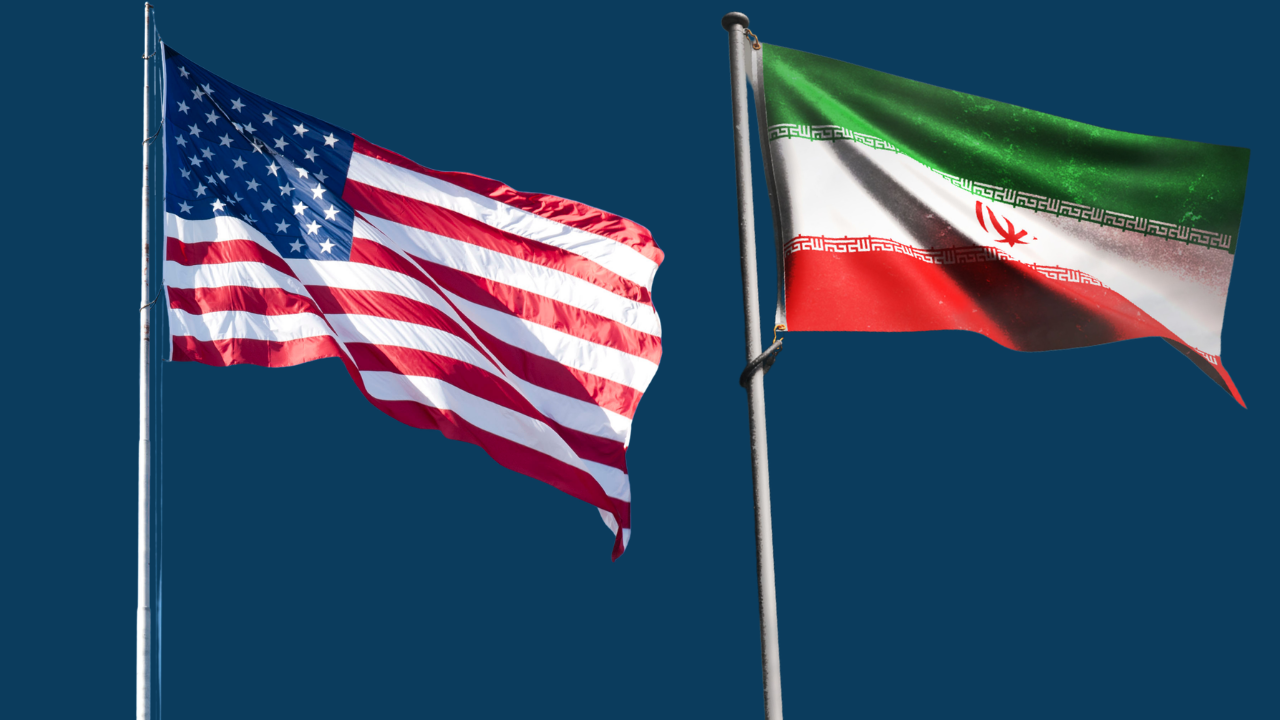
The United States and Iran have reached a preliminary framework agreement aimed at ending their months-long conflict and reopening the strategically vital Strait of Hormuz, a key shipping route for global oil and natural gas supplies. The agreement includes an extended ceasefire, the restoration of commercial shipping through the strait, and the launch of further negotiations on Iran’s nuclear program and sanctions relief.
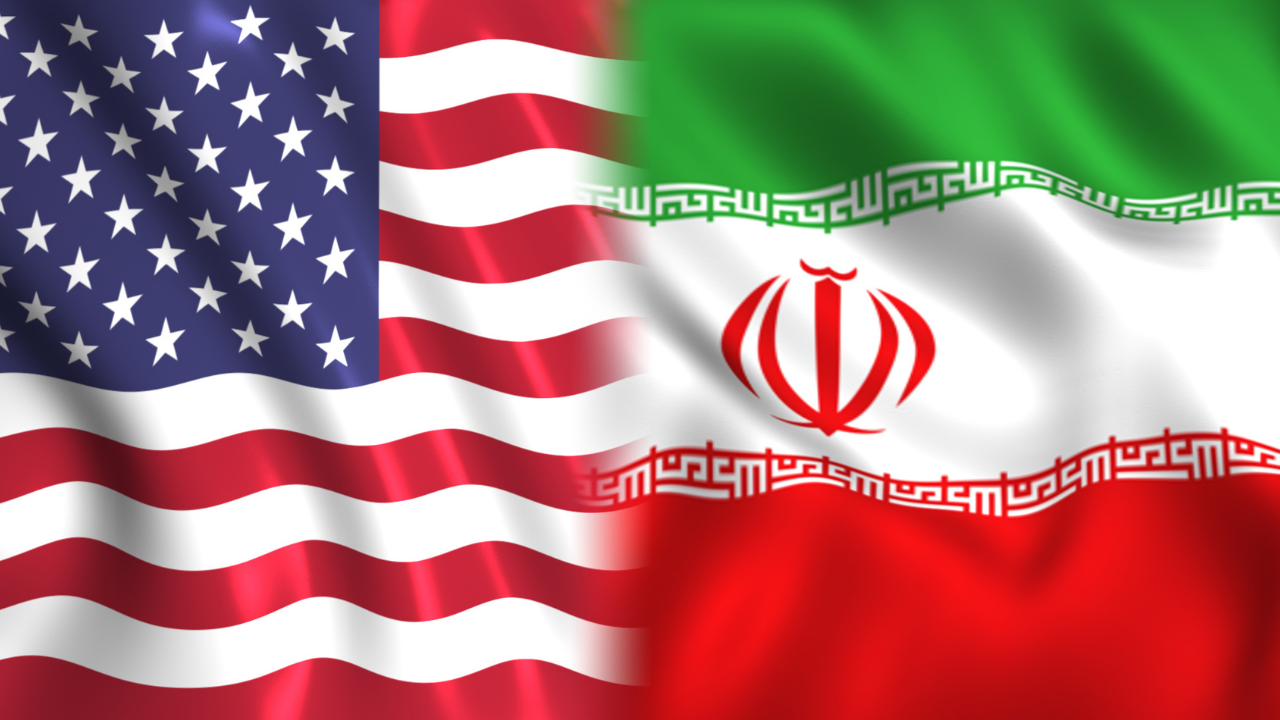
The breakthrough has been welcomed by world leaders and international organizations as a significant step toward regional stability. Financial markets responded positively, with oil prices falling sharply and global stock markets rising on expectations that energy supplies will normalize.
Despite the progress, major challenges remain. Negotiators still must resolve disputes over Iran’s nuclear activities, sanctions, regional security arrangements, and ongoing tensions involving Israel and Hezbollah. Analysts caution that the framework represents only the beginning of a complex peace process rather than a final settlement.
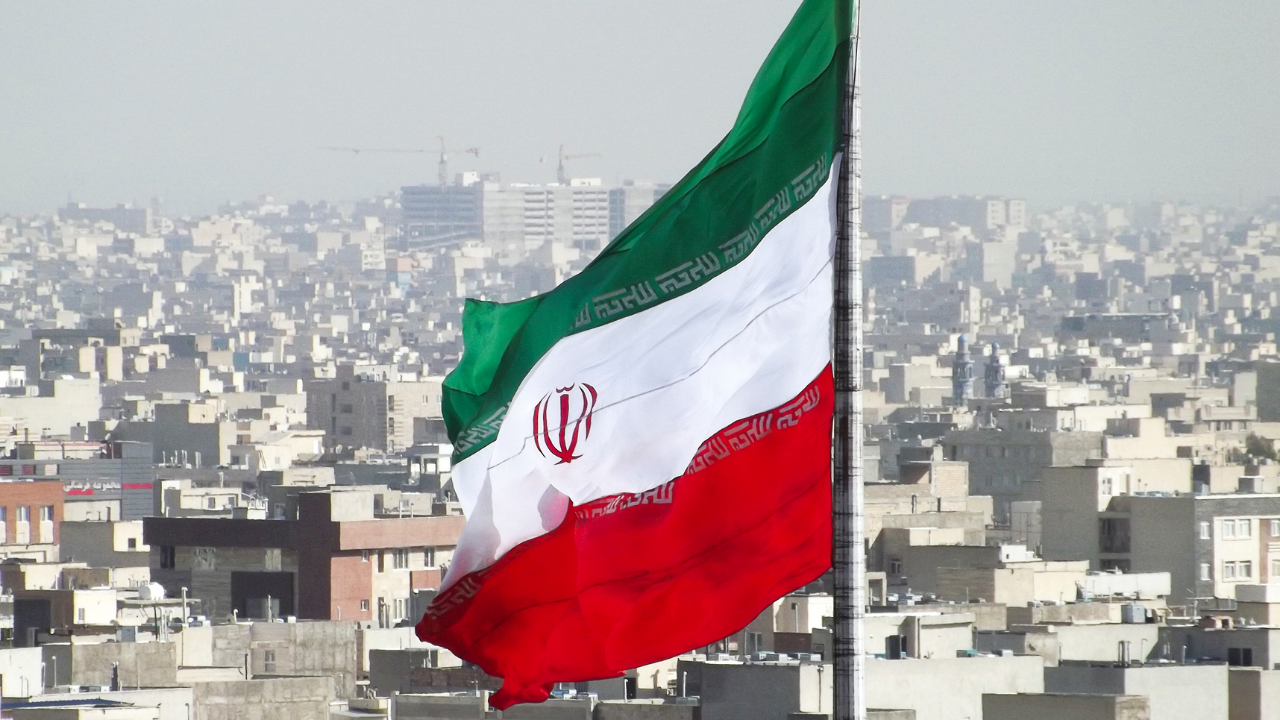
A formal signing ceremony is expected in Switzerland later this week, where both sides will seek to transform the framework into a more comprehensive and lasting peace agreement.