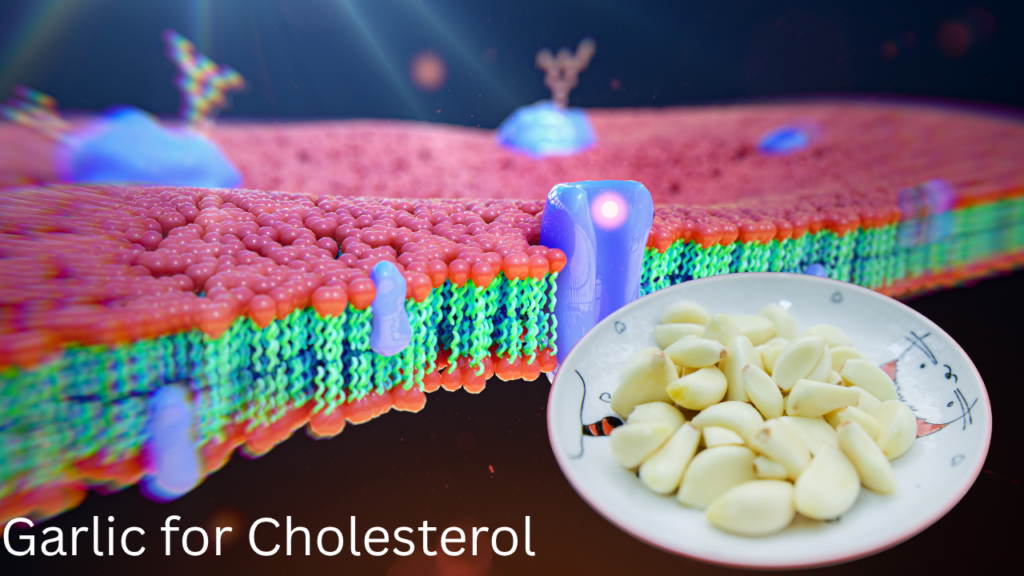
Garlic for Cholesterol: What Does the Evidence Say?
Garlic has been used as both a food and traditional health remedy for centuries. Today, researchers are studying whether garlic may also influence cholesterol and other blood lipids.
The evidence is promising, but it needs to be interpreted carefully. Some clinical trials and meta-analyses suggest that garlic preparations can modestly reduce total cholesterol and LDL cholesterol, particularly in adults who already have elevated cholesterol. However, results have not been completely consistent, and different studies have used different forms and doses of garlic.
A 2025 review concluded that garlic may influence cholesterol metabolism through several pathways, including cholesterol production, absorption, and LDL handling. It also reported that sustained supplementation appeared more useful in people with mildly to moderately elevated cholesterol.
The important takeaway is simple: garlic may support healthier cholesterol levels, but it should not be considered a replacement for prescribed cholesterol treatment or an overall heart-healthy lifestyle.
What Is Cholesterol?
Cholesterol is a waxy substance that your body needs. It helps with important functions such as making hormones and maintaining cell membranes.
Your blood contains several types of lipids and cholesterol-related measurements.
| Cholesterol or lipid | What it means |
|---|---|
| LDL cholesterol | Often called “bad” cholesterol because high levels can contribute to plaque buildup in arteries. |
| HDL cholesterol | Often called “good” cholesterol because it helps transport cholesterol away from the bloodstream and tissues. |
| Triglycerides | A type of fat in the blood. High levels can contribute to cardiovascular risk, especially when combined with other abnormal lipid levels. |
| Total cholesterol | A measurement that reflects several cholesterol components in the blood. |
High cholesterol often has no noticeable symptoms. A blood test is needed to determine your cholesterol levels.
When LDL cholesterol remains elevated, cholesterol-containing plaque can accumulate in artery walls. Over time, this can narrow arteries and increase the risk of cardiovascular disease and stroke.
Can Garlic Lower Cholesterol?
Possibly, but the effect appears to be modest and varies by study and garlic preparation.
A 2024 meta-analysis published in the Journal of Health, Population and Nutrition examined 21 randomized controlled trials involving 1,603 adults with dyslipidemia. The studies evaluated different garlic preparations, including garlic powder, tablets, aged garlic, raw garlic, and garlic oil.
The pooled results found reductions in:
- Total cholesterol: about 0.64 mmol/L
- LDL cholesterol: about 0.44 mmol/L
- Triglycerides: about 0.17 mmol/L
The researchers rated the evidence for total cholesterol, LDL cholesterol, and triglycerides as moderate quality. The results for HDL cholesterol were less convincing, with the evidence rated low quality.
These findings are encouraging, but there is an important limitation: the studies showed substantial variation between results. For example, the statistical heterogeneity was high for total cholesterol and LDL cholesterol. This means the size of the effect was not consistent across all studies.
Therefore, it would be inaccurate to say that garlic will lower everyone’s cholesterol by a specific amount.
What Does Recent Research Say About Garlic and LDL?
A 2025 review in Phytomedicine examined research on garlic and its bioactive compounds in relation to cholesterol metabolism.
The review concluded that garlic may influence cholesterol through several biological pathways. These include potentially reducing the body’s production of cholesterol, influencing dietary cholesterol absorption, and affecting how LDL cholesterol is processed.
Researchers have also investigated compounds found in garlic, including organosulfur compounds such as allicin and S-allyl cysteine.
However, laboratory findings and proposed biological mechanisms do not automatically mean that a particular garlic product will produce a meaningful change in cholesterol in humans. Human clinical evidence remains the more important measure when deciding how useful garlic may be.
Why Might Garlic Affect Cholesterol?
Researchers have proposed several possible mechanisms.
1. It May Affect Cholesterol Production
Some garlic compounds have been investigated for their ability to influence enzymes involved in cholesterol synthesis.
The 2025 review identified inhibition of cholesterol-producing pathways as one possible explanation for garlic’s effects.
2. It May Influence Cholesterol Absorption
Garlic and its bioactive compounds have also been studied for their potential effects on the absorption and movement of cholesterol through the digestive system.
3. It May Affect LDL Metabolism
Some research suggests that garlic compounds may influence the way cells take up and process LDL cholesterol.
These mechanisms are biologically interesting, but they should be considered explanations for how garlic might work rather than proof that eating garlic will prevent heart disease.
4. Garlic Contains Bioactive Sulfur Compounds
When garlic is crushed or chopped, chemical reactions produce various sulfur-containing compounds. Allicin is one of the best-known examples.
Different garlic preparations can contain very different amounts and types of these compounds. This is one reason studies using raw garlic, garlic powder, garlic oil, and aged garlic extract cannot always be compared directly.
Does Raw Garlic Work Better Than Garlic Supplements?
There is not enough evidence to say that one form of garlic is universally best for lowering cholesterol.
Clinical research has tested several forms, including:
- Raw garlic
- Garlic powder
- Garlic tablets
- Garlic oil
- Aged garlic extract
The 2024 meta-analysis found that garlic oil appeared to produce larger reductions in total and LDL cholesterol than garlic powder in some subgroup analyses. However, this does not establish garlic oil as the best choice for everyone because the individual studies differed in design, preparation, dose, and participants.
Older research also found inconsistent results among different garlic preparations. Differences in sulfur compounds, dose, duration, diet, and study design may help explain why some trials found cholesterol benefits while others did not.
Practical point: Eating garlic as part of a healthy diet is reasonable, but taking a concentrated garlic supplement is not the same thing as adding garlic to meals.
What About Aged Garlic Extract?
Aged garlic extract is produced by aging garlic under controlled conditions. This changes the chemical composition of the garlic and increases compounds such as S-allyl cysteine while reducing some compounds found in fresh garlic.
Researchers have studied aged garlic extract in people with cardiovascular risk factors.
One randomized crossover trial involving adults with moderate hypercholesterolemia examined a standardized aged black garlic extract. The study’s primary findings focused on blood pressure rather than demonstrating a clear cholesterol-lowering effect.
This distinction matters.
A study involving people with high cholesterol does not automatically prove that the tested garlic preparation lowered their cholesterol. Researchers may be studying several cardiovascular risk factors at the same time.
How Strong Is the Evidence?
The overall evidence is best described as promising but not definitive.
Evidence that supports a benefit
- A 2024 meta-analysis of 21 randomized controlled trials found significant reductions in total cholesterol, LDL cholesterol, and triglycerides.
- A 2025 review found evidence from human and experimental research supporting several possible cholesterol-related mechanisms.
- The National Center for Complementary and Integrative Health states that garlic supplements may reduce total and LDL cholesterol to a small extent in people with high cholesterol.
Why caution is still necessary
- Earlier clinical research produced mixed results.
- Different garlic preparations may have different effects.
- Studies have used different doses and treatment periods.
- Some studies were relatively small.
- Results cannot necessarily be applied to ordinary culinary garlic.
- Lowering a cholesterol number does not automatically prove that garlic supplements prevent heart attacks or strokes.
An older review specifically noted that although several studies suggested a cholesterol-lowering effect, the magnitude of the benefit was modest and the evidence was inconsistent.
How Much Garlic Should You Take for Cholesterol?
There is no universally established garlic dose for lowering cholesterol.
This is an important point for consumers.
Clinical trials have used different garlic products and amounts. The 2024 meta-analysis included preparations ranging from raw garlic to garlic powder, tablets, aged garlic, and garlic oil, with intervention periods ranging from approximately 8 to 36 weeks.
Therefore, it would be misleading to recommend one specific number of cloves or one supplement dose as a proven cholesterol treatment.
If you are considering a garlic supplement specifically for cholesterol, discuss the product and dose with a healthcare professional.
Garlic and Cholesterol: Food or Supplement?
For most people, garlic can easily be included in a balanced eating pattern.
Try using fresh garlic in:
- Vegetable soups
- Bean dishes
- Lentils
- Whole-grain meals
- Roasted vegetables
- Fish and seafood dishes
- Homemade sauces
- Salads and dressings
- Stir-fries
Using garlic in place of ingredients high in saturated fat can make a meal more heart-friendly.
For example, a garlic-and-herb seasoning may help add flavor without relying heavily on butter, processed sauces, or other high-saturated-fat ingredients.
The overall dietary pattern matters much more than any single food.
Garlic Should Not Replace Cholesterol Medication
This is one of the most important messages for anyone considering garlic for high cholesterol.
Garlic may have a modest effect on cholesterol, but it has not been established as a substitute for clinically indicated cholesterol-lowering medication.
The 2025 review describes statins as effective medications for lowering LDL cholesterol, while garlic is being investigated as a nutraceutical or complementary approach.
If your healthcare professional has prescribed a statin or another cholesterol-lowering medicine, do not stop or change the medication because you have started eating more garlic or taking a garlic supplement.
Garlic, Cholesterol, and a Heart-Healthy Lifestyle
Garlic works best as part of a broader approach to cardiovascular health.
The CDC recommends several lifestyle measures that can help manage cholesterol and cardiovascular risk, including regular physical activity, maintaining a healthy weight, avoiding tobacco, limiting excessive alcohol intake, and working with a healthcare team.
A heart-supportive eating pattern can also emphasize:
- Vegetables and fruits
- Whole grains
- Beans and lentils
- Nuts and seeds
- Fish and other nutritious protein sources
- Fiber-rich foods
- Unsaturated fats
At the same time, it is helpful to limit foods high in saturated and trans fats.
Garlic can be one flavorful ingredient within this overall pattern.
Is Garlic Safe?
Garlic is commonly consumed as a food and has been used safely in research studies. However, concentrated garlic supplements can have additional safety considerations.
Possible side effects of oral garlic include:
- Bad breath
- Body odor
- Abdominal discomfort
- Gas
- Nausea
- Allergic reactions
Garlic supplements may also increase bleeding risk. This is particularly important for people taking anticoagulants, aspirin, or other medicines that affect blood clotting.
People who are preparing for surgery should also tell their healthcare providers about garlic supplements.
If you take prescription medicines, talk with your healthcare professional before starting concentrated garlic supplements because herbs and medicines can interact.
Can You Eat Garlic Every Day?
For most people, garlic used normally as a food can be part of a healthy eating pattern.
The situation is different with concentrated supplements.
A supplement can deliver substantially different amounts of garlic compounds than ordinary food. The safety and potential interactions therefore need to be considered separately.
For everyday meals, focus on using garlic as one component of a varied diet rather than treating it as a stand-alone cholesterol treatment.
Frequently Asked Questions
Does garlic lower LDL cholesterol?
Research suggests that garlic preparations may modestly lower LDL cholesterol, particularly in people who already have elevated cholesterol. A 2024 meta-analysis of randomized controlled trials found a significant reduction in LDL cholesterol, but the studies varied considerably.
Does garlic lower total cholesterol?
Possibly. The 2024 meta-analysis found a reduction in total cholesterol among adults with dyslipidemia. However, the magnitude of the effect should not be assumed to apply equally to every person or every garlic product.
Does garlic lower triglycerides?
The same meta-analysis found a modest reduction in triglycerides. However, results varied between studies, so garlic should not be viewed as a guaranteed treatment for high triglycerides.
Does garlic increase HDL cholesterol?
Evidence is less clear. The 2024 meta-analysis initially found a small numerical increase, but its subgroup analyses did not show a significant effect, and the researchers rated the evidence for HDL as low quality.
Is raw garlic better than garlic supplements?
There is not enough evidence to say that raw garlic is universally better. Clinical studies have used several different preparations, and their chemical composition can vary considerably.
How long does garlic take to affect cholesterol?
Clinical trials have generally studied garlic for several weeks or longer. The 2024 meta-analysis included interventions lasting approximately 8 to 36 weeks, while the 2025 review suggested that sustained supplementation may be more relevant for cholesterol effects.
This does not mean that everyone will experience a measurable cholesterol change after a specific number of weeks.
Can garlic replace statins?
No. Garlic should not be considered a replacement for prescribed cholesterol medication when medication is medically indicated.
Can garlic supplements cause bleeding?
Yes. Garlic supplements may increase bleeding risk, particularly when combined with anticoagulants, aspirin, or other medicines that affect clotting. Discuss supplement use with your healthcare professional.
The Bottom Line
Garlic for cholesterol is a promising area of nutrition research, but the evidence should be kept in perspective.
Recent research suggests that certain garlic preparations may modestly reduce total cholesterol, LDL cholesterol, and triglycerides in people with dyslipidemia. A 2024 meta-analysis found statistically significant improvements, while a 2025 review identified several possible biological mechanisms that could explain these effects.
At the same time, earlier research has produced mixed findings, and garlic products differ substantially in their composition and dosage. This makes it difficult to translate clinical trial results into a precise recommendation for everyday garlic consumption.
For most adults, the practical approach is to enjoy garlic as part of a nutrient-rich, heart-healthy diet while paying attention to the bigger picture: physical activity, healthy weight, nutritious foods, avoidance of tobacco, and appropriate medical care.
If you have high cholesterol, get your levels checked and discuss your overall cardiovascular risk with a healthcare professional. Garlic can be part of the conversation, but it should not replace evidence-based cholesterol management.
Evidence at a Glance
| Question | What the evidence suggests |
|---|---|
| Can garlic lower LDL? | Possibly, with modest reductions reported in clinical research. |
| Can garlic lower total cholesterol? | Some evidence supports a modest reduction. |
| Can garlic lower triglycerides? | Some evidence supports a modest reduction. |
| Does garlic reliably raise HDL? | Evidence is limited and mixed. |
| Is raw garlic proven to work like supplements? | No. Different preparations have different compositions. |
| Can garlic replace statins? | No. |
| Is garlic safe for everyone? | Food amounts are generally well tolerated, but supplements can interact with medicines. |
| Is more garlic necessarily better? | No. Higher-dose supplements can carry additional risks. |
Important Medical Disclaimer
This article is for educational purposes only and does not diagnose, treat, or prevent disease. The evidence discussed includes studies of specific garlic preparations and supplements and should not automatically be interpreted as evidence that eating a particular number of raw garlic cloves will produce the same effect.
If you have high cholesterol, cardiovascular disease, take prescription medication, use anticoagulants or aspirin, or are preparing for surgery, speak with a qualified healthcare professional before using concentrated garlic supplements.
Sources and Further Reading
- 2025 Phytomedicine review: Roles of garlic and its bioactive compounds in modulating cholesterol metabolism
- 2024 meta-analysis: Garlic consumption and dyslipidemia
- Garlic and cardiovascular disorders — Nutrition Journal review
- Aged garlic extract clinical trial
- NCCIH: Garlic — Usefulness and Safety
- CDC: About Cholesterol
- CDC: Preventing High Cholesterol