
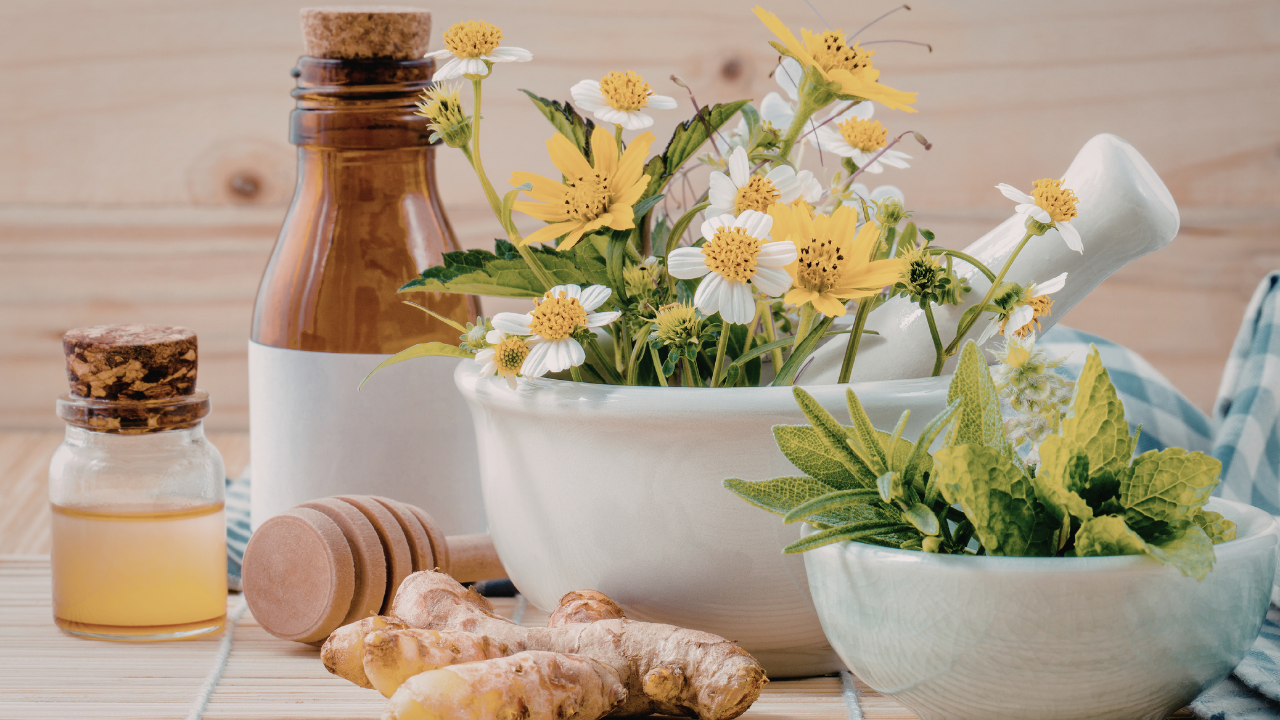
Your brain is the control center of your body, responsible for memory, focus, mood, and decision-making. Supporting it doesn’t require complicated solutions—simple, natural habits can make a powerful difference. From herbal remedies and nutrient-rich foods to lifestyle practices and brain-boosting drinks, these natural approaches work together to enhance cognitive function, improve mental clarity, and protect long-term brain health. By consistently applying these strategies, you can strengthen your memory, increase focus, and support overall well-being at any age.
1 Herbal Brain Boosters
Ginkgo biloba: Ginkgo biloba supports brain function by improving blood flow and acting as an antioxidant, enhancing memory and focus. It may help with cognitive decline. Typical doses range from 120–240 mg daily. Possible side effects and drug interactions require consulting a healthcare provider before use.
Ginseng supports brain health by improving blood flow, enhancing memory, focus, and mental clarity. Its active compounds, ginsenosides, protect brain cells and may reduce beta-amyloid buildup. Long-term use shows promise for improving attention and memory, especially in older adults, helping support cognitive function and reduce age-related decline.
Rosemary supports alertness and memory, with its aroma linked to improved concentration and cognitive performance. Its compound, carnosic acid, protects brain cells from oxidative damage. Used as tea, seasoning, or essential oil, rosemary offers a natural way to enhance focus, mental clarity, and memory retention.
Ashwagandha enhances brain function by improving memory, processing speed, and mental performance. It supports key neurotransmitters like acetylcholine and protects BDNF for brain cell growth. By reducing cortisol and oxidative stress, it promotes focus, mental clarity, and long-term cognitive health naturally.
Lion’s mane mushroom supports brain health by stimulating neuron growth and strengthening connections, improving memory and mental performance. It crosses the blood-brain barrier, promoting nerve cell survival and clarity. Regular use may aid cognitive function, reduce anxiety, and help maintain sharp thinking with age.
Related: https://sundrg.com/herbal-brain-boosters-for-memory-focus/
Related: https://sundrg.com/your-brain-your-future-simple-habits-for-lifelong-cognitive-health/
2 Brain-Healthy Foods
Blueberries support brain health with antioxidants called anthocyanins that reduce inflammation and oxidative stress linked to aging. These compounds accumulate in the brain and improve communication between brain cells. Regular consumption may enhance memory and cognitive function. Enjoy them in smoothies, cereal, or as a healthy snack.
Fatty fish like salmon, trout, and sardines are rich in omega-3 fatty acids, essential for brain cell structure, learning, and memory. Omega-3s may reduce cognitive decline and Alzheimer’s risk. Regular fish intake is linked to improved brain function, mood, and increased gray matter for memory and decision-making.
Nuts support brain health by improving heart health, which lowers the risk of cognitive decline. They provide healthy fats, antioxidants, and vitamin E, which protect brain cells from damage. Walnuts offer added benefits with omega-3 fatty acids, helping reduce inflammation and support memory and cognitive function.
Leafy greens and cruciferous vegetables support brain health with nutrients like vitamins E, K, beta carotene, and folate, which protect cells and slow cognitive decline. Spinach, kale, broccoli, and Brussels sprouts are excellent choices. Broccoli is especially rich in vitamin K and antioxidants, supporting brain cell structure, memory, and reducing inflammation through compounds like sulforaphane.
Whole grains are rich in fiber, vitamin E, and B vitamins, nutrients linked to a lower risk of dementia. Regular intake may also reduce the risk of conditions like type 2 diabetes and cardiovascular disease, which impact brain health. Some evidence suggests whole grains may support mood and reduce anxiety, though more research is needed.
Related: https://sundrg.com/your-brain-your-future-simple-habits-for-lifelong-cognitive-health/
Related: https://sundrg.com/12-drinks-that-boost-your-brain-health-naturally/
3 Natural Brain-Boosting Drinks
Green tea contains less caffeine than coffee but offers brain-boosting compounds like L-theanine and EGCG. L-theanine promotes relaxation, reduces stress, and enhances focus, especially when combined with caffeine. EGCG, a catechin, may protect brain health and support cognitive function. Together, these compounds can improve attention, memory, and mental performance.
Kombucha is a fermented tea rich in probiotics that support gut health. Through the gut-brain axis, a healthy gut may positively influence brain function and mental well-being. While probiotics are linked to improved mental health, limited research specifically confirms kombucha’s direct cognitive benefits. It can be homemade or purchased bottled.
Turmeric lattes, or golden milk, contain curcumin, an antioxidant that may boost brain-derived neurotrophic factor (BDNF), which supports cognitive function. Higher BDNF levels are linked to improved brain health, while low levels are associated with neurological issues. However, turmeric lattes provide lower curcumin amounts than typically used in studies.
Herbal teas offer a simple, natural way to promote relaxation, mental clarity, and stress relief. Blends like chamomile, lavender, tulsi, and ashwagandha help calm the mind, improve focus, and support brain health. Whether enjoyed in the morning or before bed, herbal teas can turn your routine into a soothing, restorative wellness ritual.
Lion’s mane mushroom tea is a natural brain-boosting drink known for its neuroprotective and regenerative properties. Its compounds, hericenones and erinacines, stimulate brain cell growth, supporting memory, focus, and mood. Research suggests it may improve task performance, reduce stress, and help protect against neurodegenerative diseases like Alzheimer’s.
Related: https://sundrg.com/brain-boosting-smoothies/
Related: https://sundrg.com/simple-brain-exercises-to-keep-your-mind-sharp-at-any-age/
4 Lifestyle-Based Natural Remedies for the Brain
Daily physical activity supports brain health by increasing blood flow, which helps maintain memory and cognitive function. Aim for at least 150 minutes of moderate exercise, like brisk walking, or 75 minutes of vigorous activity weekly. If time is limited, short walks throughout the day can still provide benefits.
Getting enough quality sleep is essential for brain health and memory. Poor or disrupted sleep is linked to memory loss, high blood pressure, and weight gain. Adults should aim for 7–9 hours nightly. Sleep allows the brain to repair, clear waste, and strengthen memories. If snoring or sleep apnea occurs, seek medical care.
Practicing mindfulness can help protect both mental and brain health. Chronic stress and anxiety negatively affect cognitive function and overall well-being. Regular activities like meditation can reduce stress, support emotional balance, and may lower the risk of vascular issues, contributing to better long-term brain health.
Repeating information helps strengthen memory and improve recall. Saying something out loud or writing it down reinforces the brain’s connection to that information. For example, repeat a person’s name in conversation or verbalize where you placed an item. Don’t hesitate to ask for repetition when needed.
Staying mentally active helps protect memory and brain health. Engaging in social and cognitive activities—like joining a book club or taking a cooking class—can support thinking skills, reduce the risk of memory loss, and help prevent depression as you age.
Related: https://sundrg.com/healthy-brain-foods-that-improve-memory-naturally/
Related: https://sundrg.com/best-superfoods-for-brain-health-and-focus/
https://sundrg.com/brain-health/
5 Essential Nutrients & Natural Support for the brain
Vitamin D for Brain Health
Vitamin D supports brain health by regulating mood and protecting brain cells. Low levels are linked to depression, memory issues, and a higher risk of Alzheimer’s disease. Maintaining adequate levels is important, especially for those deficient.
Adults need about 600–800 IU daily, though higher amounts may be required if deficient. Always check levels with a healthcare provider before supplementing. Good sources include fatty fish, fortified foods, egg yolks, mushrooms, and sunlight exposure
Omega-3 Fatty Acids for Brain Health
Omega-3 fatty acids are essential fats obtained through diet, with DHA playing a key role in building brain cell membranes. They support memory, learning, and may help protect against age-related cognitive decline.
Good sources include fish oil, fatty fish, flaxseeds, and walnuts.
B Vitamins for Brain Health
B vitamins—especially B6, B9 (folate), and B12—are essential for brain function. They help reduce homocysteine levels, which can harm memory and thinking, and support the production of neurotransmitters like serotonin and dopamine that regulate mood, focus, and memory.
Adequate intake may help slow brain aging and support cognitive health, particularly in older adults. Deficiency can lead to fatigue, poor concentration, and mood changes. Good sources include leafy greens, legumes, eggs, fish, dairy, and fortified foods, though some individuals may require supplements.
Magnesium for Brain Health
Magnesium is an essential mineral that supports nerve function, muscle activity, and blood pressure regulation. It plays a key role in helping brain cells communicate, which can improve focus, learning, and overall cognitive performance.
It may also promote better sleep and reduce stress, both important for brain health. Good sources include leafy greens, nuts, seeds, and whole grains.
Iron for Brain Function
Iron is essential for transporting oxygen to the brain and supporting energy metabolism. Low levels can lead to anemia, causing fatigue, brain fog, and poor concentration.
Good sources include red meat, chicken, lentils, beans, and spinach.
Conclusion
Boosting brain function naturally is about combining the right habits—nourishing your body with healthy foods, supporting it with essential nutrients, incorporating herbal remedies, and maintaining a balanced lifestyle. Small, consistent changes like staying active, managing stress, and choosing brain-friendly drinks can lead to lasting improvements in mental performance. When practiced daily, these natural remedies help sharpen focus, enhance memory, and promote a healthier, more resilient brain for years to come.
Source Links
https://www.frontiersin.org/journals/aging-neuroscience/articles/10.3389/fnagi.2022.966933/full
https://doi.org/10.3390/nu12020550
https://doi.org/10.1016/j.ajcnut.2023.03.017
https://doi.org/10.1007/s40520-024-02823-6
https://journals.sagepub.com/doi/abs/10.3233/JAD-140837
https://www.nature.com/articles/s41598-024-62010-5
https://jamanetwork.com/journals/jamanetworkopen/fullarticle/2822212
https://pubmed.ncbi.nlm.nih.gov/31804772/